
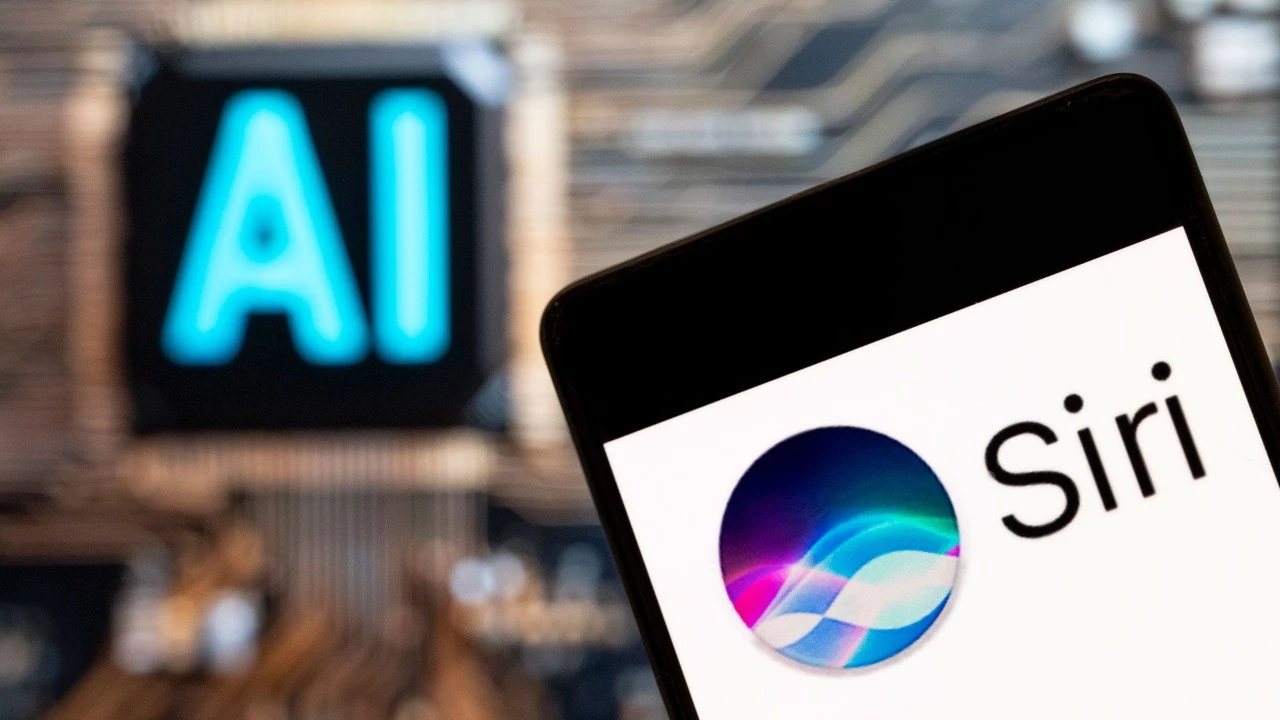
Apple Draws Clear Line: New Siri Will Not Become Your Virtual Girlfriend
Apple has decisively addressed one of the most controversial aspects of modern artificial intelligence development before it could become an issue. Following the company’s annual Worldwide Developers Conference (WWDC), Craig Federighi, Apple’s Senior Vice President of Software Engineering, made a definitive statement that the redesigned Siri assistant will not evolve into a virtual romantic companion, deliberately distancing the company from a growing trend among AI service providers.
The announcement comes at a time when the AI industry is grappling with complex ethical questions about the nature of human-machine relationships. Several popular AI platforms have seen users develop emotional attachments to their virtual assistants, with some services actively encouraging this behavior through personalized, emotionally responsive interactions. Companies like Replika have built entire business models around AI companions that simulate romantic relationships, raising concerns among psychologists and ethicists about the long-term psychological effects of such interactions.
Apple’s preemptive clarification reflects the company’s historically cautious approach to artificial intelligence features. While competitors like OpenAI, Google, and Microsoft have raced to deploy increasingly sophisticated conversational AI systems, Apple has traditionally prioritized user privacy and measured feature rollouts over rapid innovation. The company’s philosophy appears to extend beyond data protection to encompass broader questions about the appropriate role of AI in users’ daily lives.
The timing of this statement is particularly significant given the explosive growth of AI companion applications over the past two years. Industry analysts estimate that the virtual companion market has grown to over $2 billion globally, with millions of users engaging in daily conversations with AI entities designed to provide emotional support, friendship, and in some cases, simulated romantic relationships. This trend has sparked intense debate among mental health professionals, with some arguing that AI companions can provide valuable support for lonely individuals, while others warn of potential harm to users’ ability to form genuine human connections.
Federighi’s remarks suggest that Apple intends to position Siri as a purely utilitarian tool, focused on productivity, information retrieval, and device control rather than emotional engagement. This approach aligns with Apple’s broader brand identity as a company that creates technology to enhance human capabilities rather than replace human relationships. The distinction may prove to be a significant differentiator in an increasingly crowded AI assistant market where competitors are exploring more personality-driven approaches.
Historical context adds depth to Apple’s decision. Siri, launched in 2011, was one of the first mainstream voice assistants and initially featured a notably more playful personality, including witty responses to unusual questions. Over time, however, Apple has gradually toned down these characteristics, focusing instead on functional improvements. The company’s latest announcement appears to formalize this evolution, establishing clear boundaries for what users should expect from their AI assistant.
The psychological implications of AI companionship have become a subject of serious academic study. Research published in journals focusing on human-computer interaction has documented cases of users experiencing genuine grief when AI services shut down or change their personalities. Some experts argue that vulnerable populations, including the elderly and socially isolated individuals, may be particularly susceptible to forming unhealthy dependencies on AI companions. Apple’s stance could be interpreted as a protective measure designed to prevent such outcomes among its user base.
Industry observers note that Apple’s approach may also reflect regulatory considerations. Lawmakers in several countries are beginning to examine the AI companion industry more closely, with particular attention to issues of consent, manipulation, and the potential exploitation of emotionally vulnerable users. By clearly defining Siri’s limitations upfront, Apple may be positioning itself favorably for potential future regulations while simultaneously appealing to users who prefer a more traditional, tool-oriented relationship with their technology.
As AI capabilities continue to advance at a remarkable pace, the question of how these systems should interact with humans becomes increasingly important. Apple’s decision to explicitly reject the virtual companion model represents a significant philosophical statement about the future of human-AI interaction. Whether this approach will resonate with consumers or leave Apple at a competitive disadvantage remains to be seen, but the company has made its position unambiguously clear: Siri is here to help you accomplish tasks, not to become your digital significant other.