
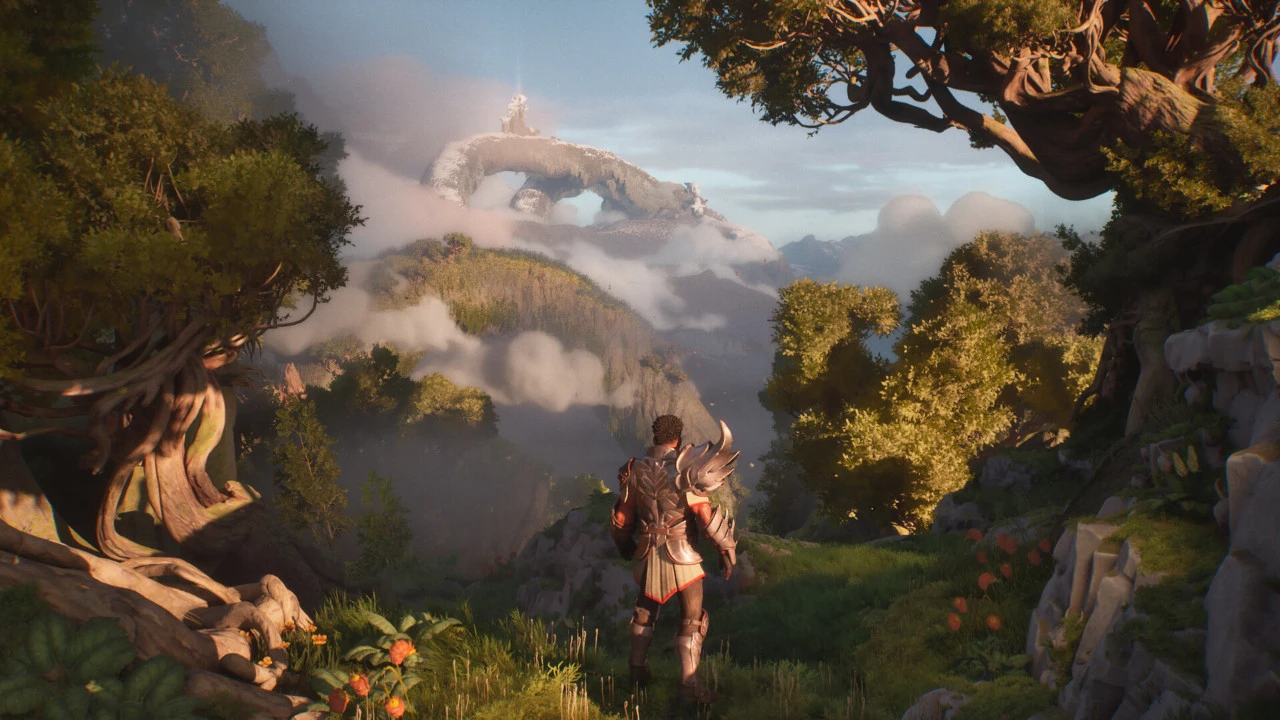
All Talk, No Action: ArenaNet Reveals Guild Wars 3 Lore But Keeps Gameplay Under Wraps
ArenaNet has released a new developer blog and video unveiling intriguing narrative details about the highly anticipated Guild Wars 3. The upcoming MMORPG will transport players a thousand years before the events of the original game, immersing them in what developers describe as the “golden age” of the kingdom of Orr. While lore enthusiasts are celebrating the rich backstory being revealed, a significant portion of the community is left asking one burning question: where is the actual gameplay?
The announcement marks a significant shift in the franchise’s timeline approach. Unlike Guild Wars 2, which moved the story forward by 250 years from the original, this prequel setting promises to explore an era that has only been referenced through ruins, legends, and scattered historical texts throughout the series. The kingdom of Orr, known to longtime fans primarily as a sunken, undead-infested wasteland controlled by the Elder Dragon Zhaitan, will finally be shown in its full glory — a thriving civilization at the height of its power and influence over the continent of Tyria.
For those unfamiliar with Guild Wars lore, the kingdom of Orr was once the most magically advanced human nation in the world of Tyria. Its capital, Arah, was considered the holiest city in human civilization and housed temples to all six human gods. The Cataclysm — a devastating magical explosion triggered by a vizier named Khilbron during the charr invasion — sank the entire peninsula beneath the Sea of Sorrows in 1071 AE (After Exodus). This catastrophic event has been one of the most pivotal moments in the game’s history, shaping everything that followed in both Guild Wars titles.
ArenaNet’s decision to explore this pre-Cataclysm era opens fascinating storytelling possibilities. Players may witness the political intrigue of Orrian nobility, interact with the Six Gods while they still walked among mortals, and experience the sophisticated magical society that would eventually meet its tragic end. The studio has built a reputation for environmental storytelling and world-building, and this setting provides a canvas rich with dramatic irony — players will know the doom that awaits this magnificent civilization, adding weight to every character interaction and architectural wonder they encounter.
However, the community response has been notably mixed. While dedicated lore followers are excited about the narrative possibilities, a vocal segment of players has expressed frustration at the continued absence of gameplay footage. Since the initial Guild Wars 3 announcement, ArenaNet has focused almost exclusively on world-building and story elements. Forums and social media platforms are filled with comments questioning when the studio will show combat systems, character progression mechanics, or even basic movement and exploration features. This criticism reflects a broader industry trend where developers often build hype through cinematics and lore before demonstrating actual game systems.
The skepticism isn’t entirely unfounded. Guild Wars 2, while commercially successful and praised for its dynamic event system and living world approach, faced its share of development challenges over its twelve-year lifespan. The game pioneered several innovations in the MMO space, including the removal of traditional quest logs in favor of organic world events, a flexible class system with weapon-based skill swapping, and structured PvP that normalized player statistics. However, it also struggled with content droughts and expansion pacing issues. Players naturally wonder whether Guild Wars 3 will build upon these foundations or take the franchise in an entirely new direction — questions that only gameplay demonstrations can answer.
Industry analysts suggest that ArenaNet’s measured approach may be intentional. Building narrative investment before revealing mechanics can help establish emotional connections with potential players, particularly important for a prequel where the world itself is the main draw. Additionally, showing gameplay too early — before systems are polished — can backfire spectacularly in the age of social media criticism. Studios like CD Projekt Red learned this lesson harshly with Cyberpunk 2077’s troubled launch, where early gameplay demonstrations set expectations the final product couldn’t meet.
For now, Guild Wars veterans and newcomers alike must content themselves with piecing together what this thousand-year journey into the past might offer. ArenaNet has promised more information in the coming months, though specific timelines for gameplay reveals remain conspicuously absent from their communications. Whether the studio is simply being cautious or genuinely behind on demonstrable development progress, only time will tell. The MMORPG genre itself is experiencing a renaissance of interest, with games like Final Fantasy XIV proving massive audiences still hunger for rich online worlds — the pressure is on for Guild Wars 3 to deliver more than just compelling lore.