
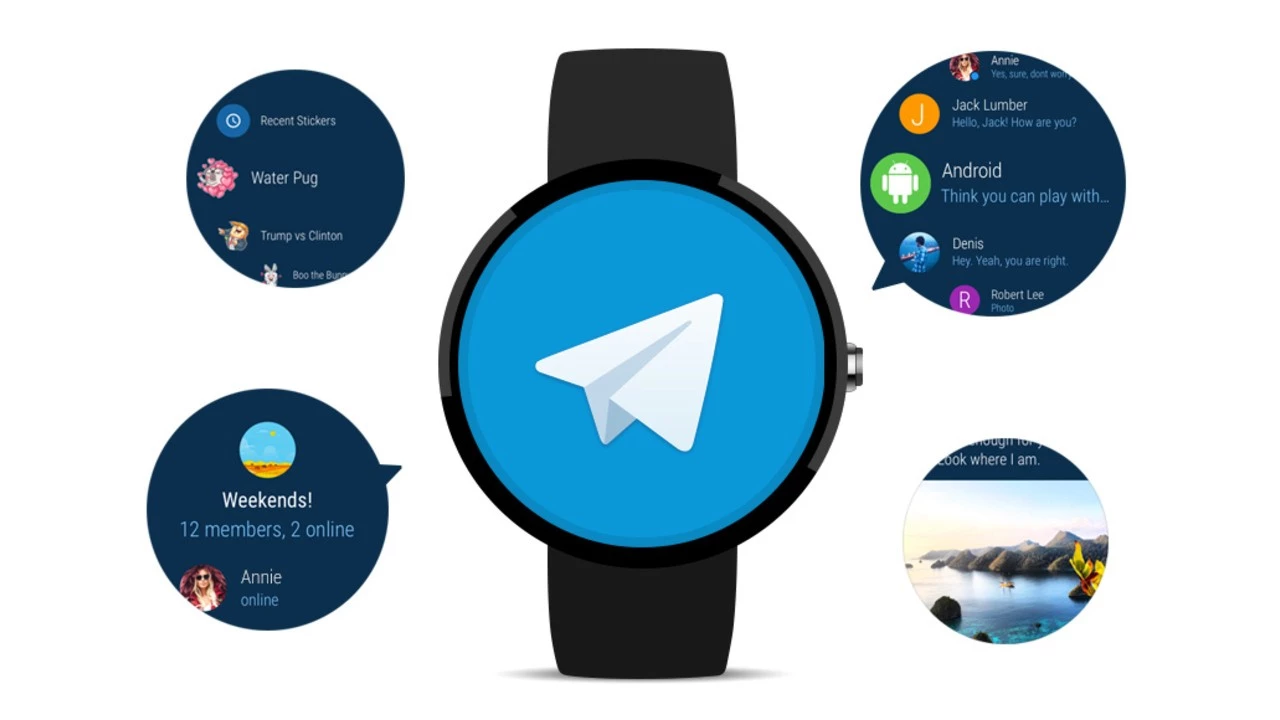
Telegram Returns to Android Smartwatches After Five-Year Absence, Acting Like It Never Left
In a surprising development for wearable technology enthusiasts, Telegram has officially made its comeback to Wear OS smartwatches, ending a five-year hiatus that left many users relying on third-party alternatives or simply going without the popular messaging service on their wrists. The return comes without any fanfare or official announcement from the company, with Telegram seemingly treating the relaunch as if the app had never disappeared from the platform in the first place.
The original Telegram app for Android smartwatches was quietly discontinued and removed from the Google Play Store back in 2019, leaving millions of Wear OS users without an official way to access their messages, send quick replies, or receive notifications directly on their wearable devices. During this extended absence, competitors like WhatsApp and Facebook Messenger maintained their presence on the platform, giving them a significant advantage in the smartwatch messaging space. The decision to abandon the wearable market was never officially explained by Telegram’s team, leading to widespread speculation about technical challenges or strategic priorities.
The newly released Wear OS application appears to have been rebuilt from the ground up, taking advantage of the significant improvements Google has made to its wearable operating system over the past five years. Wear OS has undergone substantial transformations since 2019, including a major collaboration with Samsung that resulted in a unified platform combining the best features of Tizen and Wear OS. This partnership, announced in 2021, breathed new life into Android smartwatches and attracted major manufacturers like Google itself with its Pixel Watch lineup, as well as continued support from Samsung, Fossil, and other industry players.
The updated Telegram application for Wear OS offers core functionality that smartwatch users have come to expect from messaging apps on their wrists. Users can now view incoming messages, send quick replies using preset responses or voice dictation, and access their recent conversations without needing to pull out their smartphones. The interface has been optimized for the small circular displays common on most Wear OS devices, featuring large touch targets and simplified navigation that works well with the limited screen real estate available on wearable devices.
Industry analysts suggest that Telegram’s return to the smartwatch market reflects the growing importance of wearable devices in the broader technology ecosystem. The global smartwatch market has experienced remarkable growth since 2019, with shipments increasing by over 20 percent year-over-year in recent periods. Research firms estimate that hundreds of millions of smartwatches are now in active use worldwide, representing a significant user base that messaging platforms can no longer afford to ignore. Telegram itself has grown substantially during this period, reportedly surpassing 800 million monthly active users and establishing itself as one of the world’s most popular messaging platforms.
The timing of Telegram’s return is particularly noteworthy given the current competitive landscape in both messaging and wearable technology. With Apple Watch continuing to dominate the smartwatch market and iMessage remaining exclusive to Apple’s ecosystem, Android-based messaging apps have an opportunity to differentiate themselves by offering superior cross-platform compatibility. Telegram’s presence on Wear OS strengthens its position as a truly platform-agnostic messaging solution, available across smartphones, tablets, desktop computers, web browsers, and now once again on wearable devices running Google’s operating system.
For longtime Telegram users who have been waiting patiently for the app’s return to their smartwatches, the update represents a welcome restoration of functionality they lost half a decade ago. The silent nature of the relaunch, without any blog posts, press releases, or social media announcements, has left some users puzzled but ultimately grateful. Community forums and social media platforms have seen an outpouring of positive reactions from users discovering the app’s availability, with many expressing relief that they no longer need to rely on unofficial third-party clients or complex workarounds to access Telegram on their wrists. As wearable technology continues to evolve and become more integral to daily life, the return of major applications like Telegram signals a maturing ecosystem where smartwatches are finally being treated as essential computing platforms rather than mere smartphone accessories.