
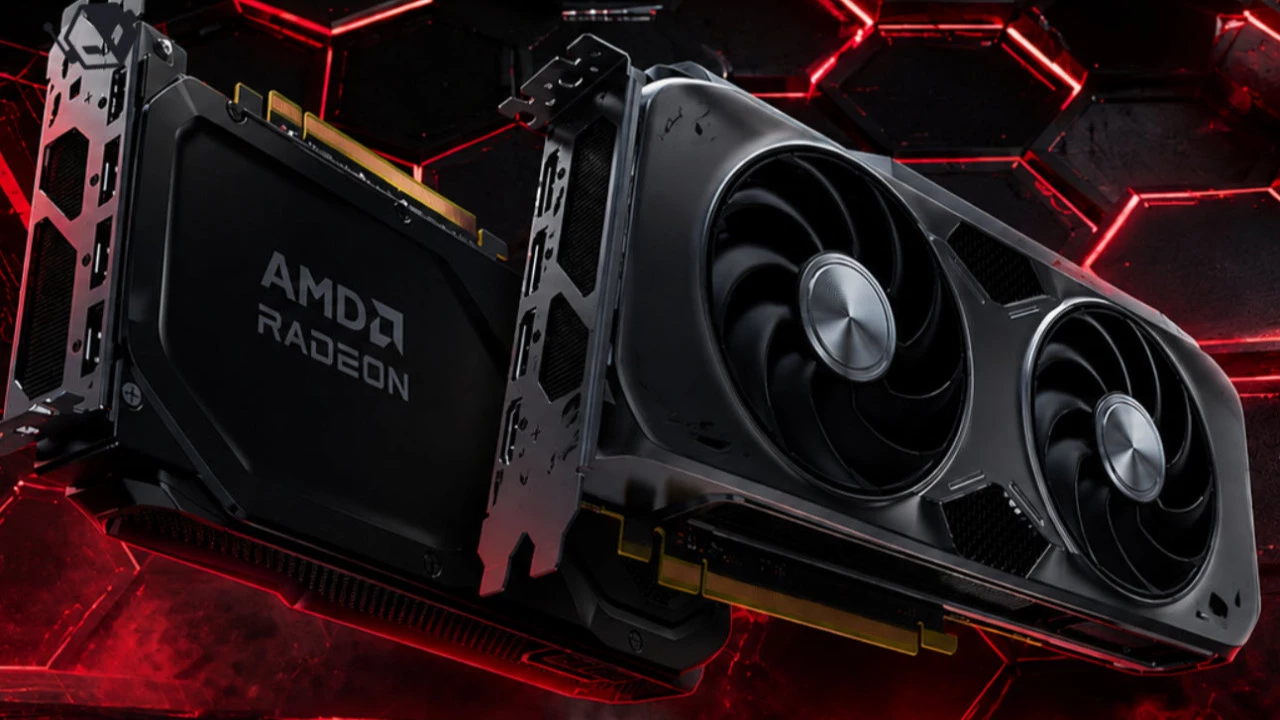
AMD’s ‘New’ Radeon Graphics Card Turns Out to Be a Complete Market Flop
The launch of new graphics cards typically generates significant excitement in the tech community, often accompanied by long queues outside retail stores, crashed e-commerce websites, and severe product shortages that can last for months. However, AMD’s latest addition to its Radeon lineup has experienced something far more unusual and potentially embarrassing for the company: complete market indifference. The newly released graphics card has failed to generate any meaningful consumer interest, leaving retailers with full shelves and raising serious questions about AMD’s product strategy in the competitive GPU market.
The Evolving GPU Market Landscape
The graphics card industry has undergone dramatic transformations over the past several years, with both AMD and NVIDIA competing fiercely for market dominance. NVIDIA has consistently maintained its lead in the high-performance segment, while AMD has attempted to carve out space by offering competitive price-to-performance ratios. The pandemic era saw unprecedented demand for GPUs, driven by cryptocurrency mining, remote work requirements, and a surge in gaming as people sought entertainment during lockdowns. During that period, any graphics card was considered valuable, regardless of specifications or brand loyalty.
Why This Launch Missed the Mark
Industry analysts suggest that AMD’s latest release suffers from fundamental positioning problems that made its failure almost inevitable. The card appears to target a market segment that essentially doesn’t exist, offering specifications that are neither compelling for enthusiasts nor affordable enough for budget-conscious consumers. This awkward middle ground has historically been treacherous territory for graphics card manufacturers, as buyers typically either save money for entry-level options or stretch their budgets for noticeably better performance. The timing of the release also coincided with rumors of next-generation products from both AMD and NVIDIA, causing many potential buyers to adopt a wait-and-see approach.
Post-Pandemic Market Correction
The graphics card market has always been cyclical, with periods of intense demand followed by normalization. Following the cryptocurrency crash and the end of pandemic-driven purchasing, the market experienced a significant correction in 2022 and 2023. Retailers found themselves overstocked with GPUs that had commanded premium prices just months earlier, forcing substantial discounts to clear inventory. This market correction has made consumers more discerning and less willing to purchase products that don’t offer clear value propositions. AMD’s release appears to have misjudged these changed market dynamics entirely.
Learning from Past GPU Failures
History demonstrates that unsuccessful GPU releases can create enduring repercussions for manufacturers. AMD has faced comparable circumstances before, particularly with certain Radeon HD and early Radeon RX series cards that didn’t manage to attract consumer attention. Nevertheless, the company has also shown an impressive capacity to recover, as proven by the triumph of its Ryzen processors and competitive RDNA architecture graphics cards. The crucial distinction with those successful products was their unmistakable value proposition and authentic technological progress that consumers could recognize right away.
Contributing Factors to the Flop
Tech industry experts point to several factors that may have contributed to this particular product’s failure. First, the specifications reportedly offer marginal improvements over existing products already available at lower prices. Second, the power consumption and thermal characteristics apparently don’t represent meaningful progress. Third, and perhaps most critically, AMD’s own marketing seemed half-hearted, suggesting even the company recognized the product’s limitations. Some observers speculate this may have been a strategic release designed to clear older silicon inventory rather than a genuine attempt to compete in the market.
What This Means for AMD’s Future
Moving ahead, this underwhelming launch prompts concerns about AMD’s graphics card trajectory and its capacity to rival NVIDIA’s progressively dominant standing. The company has substantial investments in data center and AI-oriented graphics solutions, which could be diverting resources and focus from consumer offerings. For PC gaming enthusiasts and system builders, the takeaway is evident: thorough research and patience continue to be vital when exploring the graphics card market. AMD will certainly gain insights from this experience, and industry observers will be eager to watch whether upcoming releases exhibit a more considered approach to market positioning and consumer requirements.