
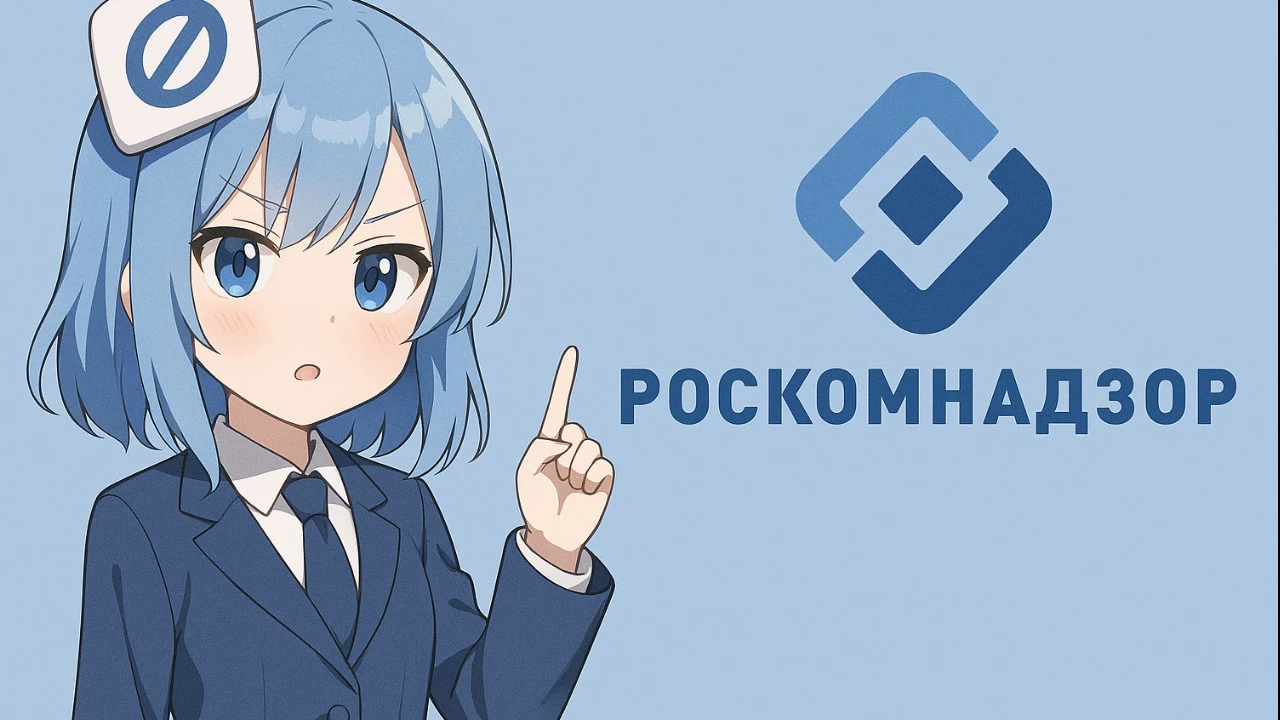
Steam Outage Sparks Panic Among Russian Gamers, But Regulators Say No Ban Planned
Roskomnadzor Denies Blocking Measures
On a regular evening that quickly turned chaotic for millions of gamers across Russia, Steam – the world’s largest digital gaming platform – experienced significant connectivity issues that left users unable to access their game libraries, make purchases, or connect with friends. Social media platforms were immediately flooded with concerned posts, screenshots of error messages, and speculation about the cause. The timing couldn’t have been worse for a community already on edge about potential internet restrictions, as many immediately assumed the worst: that Russian authorities had finally moved to block the beloved gaming service.
However, Roskomnadzor, Russia’s federal telecommunications regulatory agency, acted swiftly to allay these concerns by issuing an official statement confirming that no blocking measures had been enacted against Steam. The regulator stressed that the platform continues to be completely legal in Russia and that the disruption was entirely technical in origin, unrelated to any government intervention. This clarification brought relief to the approximately 15 million active Steam users in Russia, who constitute one of the platform’s biggest user populations worldwide.
A History of Regulatory Tensions
The incident highlights the increasingly tense relationship between Russian internet users and regulatory authorities. Over the past several years, Roskomnadzor has blocked numerous websites and services, including LinkedIn, certain VPN providers, and various media outlets deemed to violate Russian law. This history has created a climate of uncertainty where any service disruption immediately triggers fears of government intervention. The agency gained particular notoriety in 2018 when its attempt to block the Telegram messaging app resulted in widespread collateral damage to unrelated services, affecting millions of Russian internet users and businesses.
Steam’s Role in Global Gaming Culture
Steam, developed and maintained by American company Valve Corporation, has become an integral part of gaming culture worldwide since its launch in 2003. What began as a simple digital distribution platform has evolved into a comprehensive gaming ecosystem featuring social networking capabilities, community forums, streaming services, and a marketplace for in-game items. The platform hosts over 50,000 games and boasts more than 130 million monthly active users globally. For many Russian gamers, Steam represents not just a store but a digital home where they’ve accumulated libraries worth thousands of dollars over many years.
Technical Causes Behind the Outage
Technical experts familiar with large-scale internet infrastructure suggest that Steam’s outage was likely caused by server-side issues at Valve’s data centers or problems with content delivery networks that help distribute the platform’s services globally. Such outages, while frustrating, are not uncommon for services of Steam’s scale. The platform has experienced similar disruptions in the past, often during major sale events when traffic spikes dramatically. Valve typically resolves these issues within hours, though the company is notoriously tight-lipped about the specific causes of technical problems.
Broader Anxieties and the Future of Russian Gaming
The alarm triggered by this specific outage mirrors deeper concerns among Russia’s gaming community regarding their digital prospects. In the wake of international sanctions and the withdrawal of numerous Western companies from the Russian market, gamers have encountered growing challenges when trying to purchase new titles, with payment processing proving especially troublesome. Although Steam itself has stayed accessible, the capacity to complete purchases through Russian payment methods has been drastically limited, compelling many users to explore alternative payment options or resort to gray market key resellers.
Industry analysts note that despite these challenges, the Russian gaming market remains remarkably resilient. Players have adapted to new circumstances, and domestic game development has seen increased attention and investment. However, the threat of losing access to established platforms like Steam remains a significant concern. The incident serves as a reminder of how dependent modern entertainment has become on digital infrastructure and international connectivity. For now, Russian Steam users can breathe easy knowing their libraries remain intact – but the underlying anxieties about the future of digital gaming in Russia are unlikely to disappear anytime soon.