
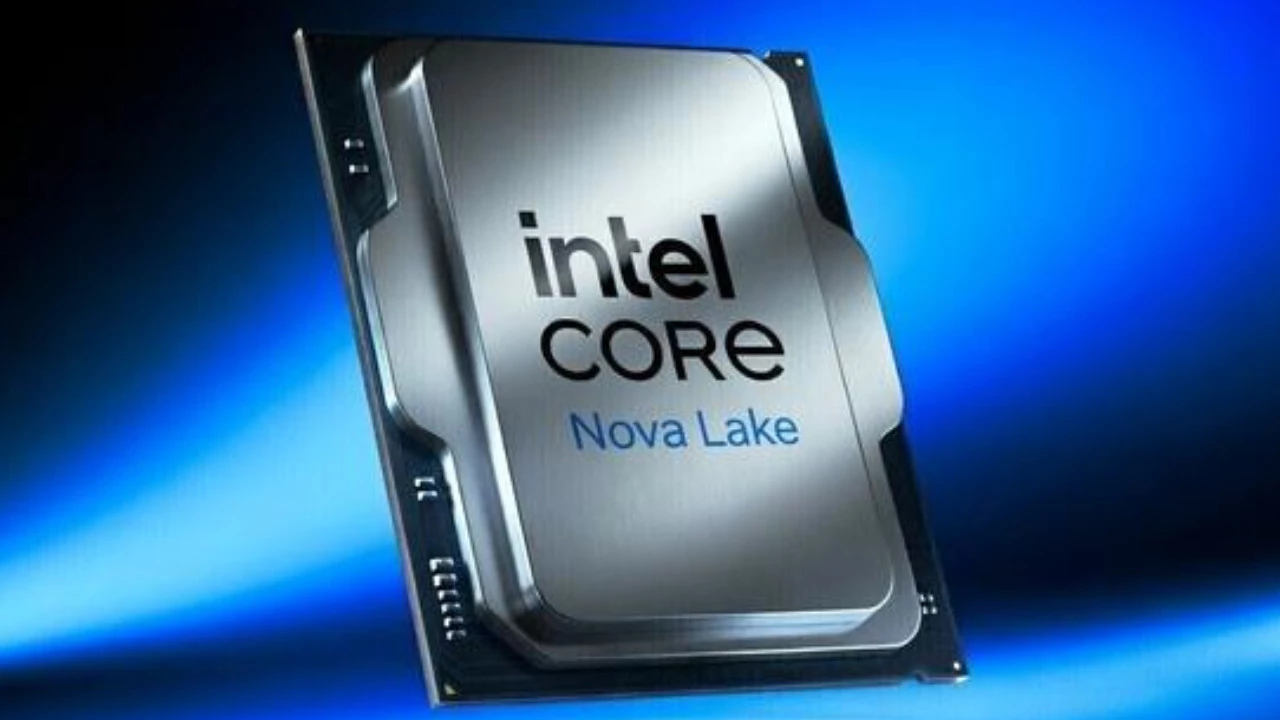
End of the ‘Disposable’ Motherboard Era? Intel’s LGA 1954 Socket Promises Extended Lifespan, But With a Catch
In what could mark a significant shift in Intel’s desktop platform strategy, prominent industry insider Jaykihn has revealed crucial technical details about the upcoming LGA 1954 socket platform, set to debut alongside the Nova Lake-S processors (Core Ultra 400S series). The information suggests Intel may finally be moving away from its historically short-lived socket designs, a change that enthusiasts and budget-conscious builders have long demanded.
Intel’s Socket Longevity Problem
For years, PC builders have criticized Intel’s approach to socket longevity, with the company typically supporting each socket for only one or two processor generations before moving on to an entirely new platform. This practice has forced consumers to purchase new motherboards with nearly every significant CPU upgrade, adding hundreds of dollars to the total cost of system improvements. AMD, by contrast, earned considerable goodwill by supporting its AM4 socket for five years across multiple processor generations, and has promised similar longevity for its current AM5 platform.
The LGA 1954 platform represents Intel’s next major architectural leap, succeeding the current LGA 1700 socket that supports 12th, 13th, and 14th generation Core processors, as well as the newer Arrow Lake-S chips. According to the leaked information, Intel plans to support LGA 1954 for multiple processor generations, potentially spanning several years of product releases. This extended support would allow users to upgrade their CPUs without replacing their entire motherboard and memory configuration, representing significant cost savings over the platform’s lifetime.
The Tiered Compatibility Catch
However, the insider’s revelations come with an important caveat that may disappoint some users. The extended socket support reportedly won’t apply universally across all motherboard tiers. Entry-level and mid-range motherboards may face compatibility limitations with future processor generations, while premium boards featuring higher-end chipsets and more robust power delivery systems would receive full multi-generation support. This tiered approach suggests Intel is attempting to balance platform longevity with the realities of power delivery requirements and thermal constraints that newer, more powerful processors inevitably demand.
Nova Lake-S Architecture and Features
The Nova Lake-S processors themselves showcase Intel’s ongoing commitment to hybrid architecture, expanding on the groundwork laid by Alder Lake’s debut of performance and efficiency cores. Industry analysts anticipate these chips will deliver substantial gains in both single-threaded performance and power efficiency, responding to criticism directed at recent Intel desktop processors concerning their elevated power consumption and thermal output. The new platform is also anticipated to support DDR5 memory exclusively, as the industry progresses in its shift away from DDR4.
Competitive Pressure Drives Change
This potential shift in Intel’s platform strategy comes at a critical time for the company. AMD has made significant inroads in the desktop processor market over the past several years, with its Ryzen processors offering competitive performance and better platform longevity. Intel’s decision to extend socket support could be seen as a direct response to this competitive pressure, acknowledging that consumers increasingly factor total platform cost into their purchasing decisions. The company has faced additional challenges recently, including manufacturing delays and increased competition in both consumer and data center markets.
What This Means for Future Builds
For consumers planning future builds, the LGA 1954 platform offers a compelling consideration. Those prepared to invest in higher-tier motherboards could potentially benefit from several generations of CPU upgrades without swapping out their base platform, a value proposition that reflects what AMD has provided. However, budget-conscious builders may find themselves in a familiar situation, having to balance the initial cost of a premium motherboard against the potential long-term savings. As always, the ultimate judgment will hinge on Intel’s execution and pricing when Nova Lake-S officially debuts, expected sometime in the 2025-2026 timeframe.
The desktop PC market keeps evolving, with socket longevity becoming an increasingly significant factor in platform decisions. If Intel follows through on the promise of extended LGA 1954 support, it could mark a meaningful shift in how the company approaches desktop platforms, potentially bringing an end to the era of frequent, costly motherboard replacements that has long irritated PC enthusiasts and mainstream users alike.