
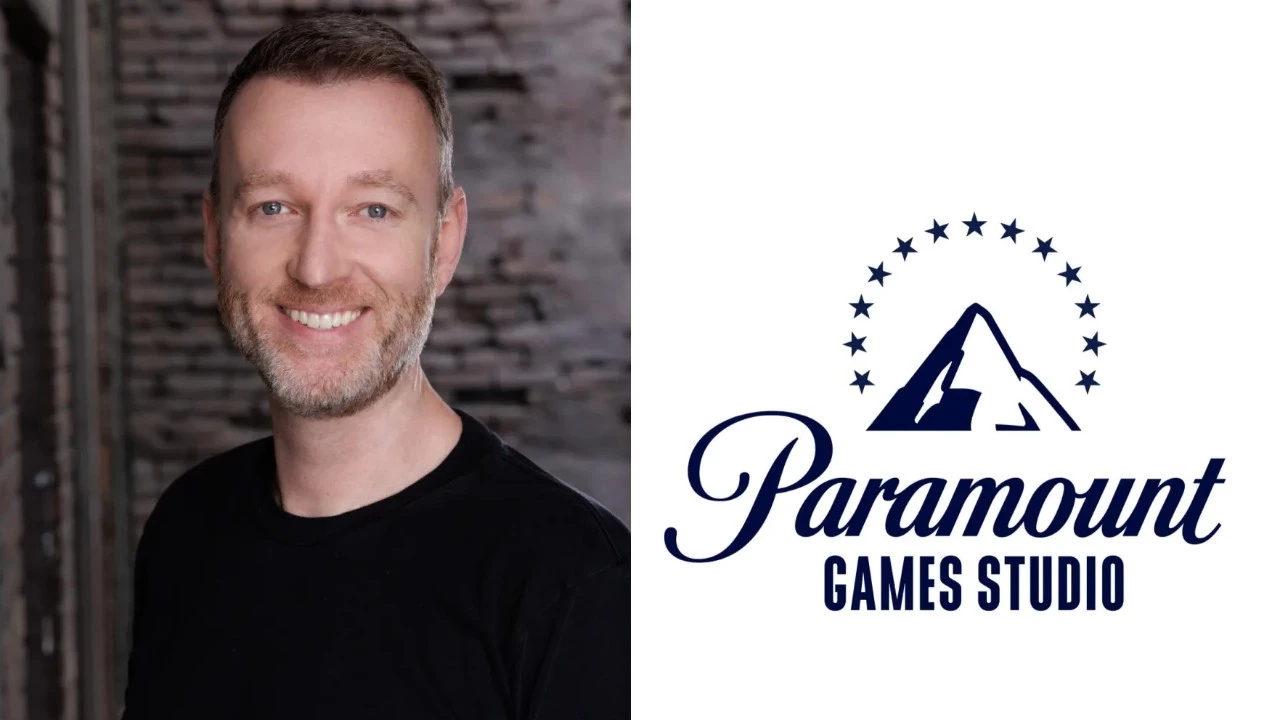
Paramount Shakes Up Gaming Industry: New Studio to Develop Marvel, Star Wars, and Original IP Games
The WB Games Acquisition: A Transformative Move
In a bold move that signals a major shift in the entertainment landscape, Paramount Global has announced the formation of Paramount Games Studio, a unified gaming division that consolidates the company’s various interactive entertainment ventures under a single banner. This strategic reorganization comes on the heels of Paramount’s acquisition of WB Games, marking one of the most significant consolidations in the gaming industry in recent years. The newly formed studio is positioned to leverage some of the most valuable intellectual properties in entertainment, including Marvel, Star Wars, and Paramount’s own extensive catalog of franchises.
The acquisition of WB Games represents a transformative moment for Paramount’s gaming ambitions. Warner Bros. Games has been responsible for some of the most critically acclaimed titles in recent memory, including the Batman: Arkham series, the Mortal Kombat franchise, and more recently, Hogwarts Legacy, which became one of the best-selling games of 2023. By absorbing this talent pool and their proven development capabilities, Paramount instantly elevates its position in the fiercely competitive gaming market. Industry analysts estimate that the gaming sector generates over $180 billion annually worldwide, surpassing both the film and music industries combined.
A Growing Industry Trend
The decision to create a centralized gaming studio reflects a growing trend among major entertainment conglomerates to treat video games as a core business rather than a licensing afterthought. Disney has taken similar steps with its gaming initiatives, while Sony continues to expand PlayStation Studios through strategic acquisitions. Paramount’s approach appears particularly ambitious given the breadth of intellectual properties now at its disposal. The company’s library includes beloved franchises such as Star Trek, Transformers, Mission: Impossible, Teenage Mutant Ninja Turtles, and countless others from its Nickelodeon subsidiary that could translate into compelling gaming experiences.
Marvel and Star Wars: Navigating Complex Licensing
The inclusion of Marvel and Star Wars properties in Paramount Games Studio’s portfolio deserves particular attention, as these franchises have historically been associated with other publishers. Marvel games have seen a renaissance in recent years, with titles like Marvel’s Spider-Man from Insomniac Games and Marvel’s Guardians of the Galaxy receiving widespread acclaim. Star Wars gaming, meanwhile, has been experiencing its own revival following the end of EA’s exclusive licensing deal, opening the door for multiple publishers to create games in the beloved universe. How Paramount will navigate these complex licensing arrangements remains to be seen, but the potential for crossover appeal is enormous.
From a historical perspective, the gaming industry has witnessed numerous consolidation efforts with varying degrees of success. Microsoft’s acquisition of Activision Blizzard for $69 billion in 2023 set a new benchmark for industry deals, while Take-Two Interactive’s purchase of Zynga demonstrated the value of mobile gaming portfolios. Paramount’s strategy appears to focus on leveraging existing intellectual property rather than pure talent acquisition, a model that has proven successful for companies like Disney and Universal. The entertainment giant’s vast content library, spanning nearly a century of film and television production, provides an almost unlimited source of potential game adaptations.
Workforce and Creative Direction
The formation of Paramount Games Studio also raises questions about the future workforce and creative direction of the combined entity. WB Games employed thousands of developers across multiple studios worldwide, including Rocksteady Studios in London, NetherRealm Studios in Chicago, and Monolith Productions in Seattle. Whether Paramount will maintain these studios’ creative independence or integrate them more closely into a centralized development pipeline will significantly impact the quality and diversity of future releases. Industry veterans note that successful gaming divisions often thrive when individual studios maintain their unique creative identities while benefiting from corporate resources and support.
Opportunities and Challenges Ahead
Moving forward, Paramount Games Studio encounters both enormous possibilities and considerable obstacles. The gaming industry, despite being profitable, is famously unpredictable, with even well-established franchises sometimes falling short of commercial projections. Production expenses have risen dramatically in recent years, with AAA games frequently demanding budgets surpassing $100 million and development timelines extending five years or more. Nevertheless, the pairing of WB Games’ demonstrated development capabilities and Paramount’s unmatched content catalog establishes a foundation that few rivals can equal. As the boundaries separating gaming, film, and streaming content increasingly dissolve, Paramount’s unified strategy could establish the company as a leading power in the next era of interactive entertainment.