
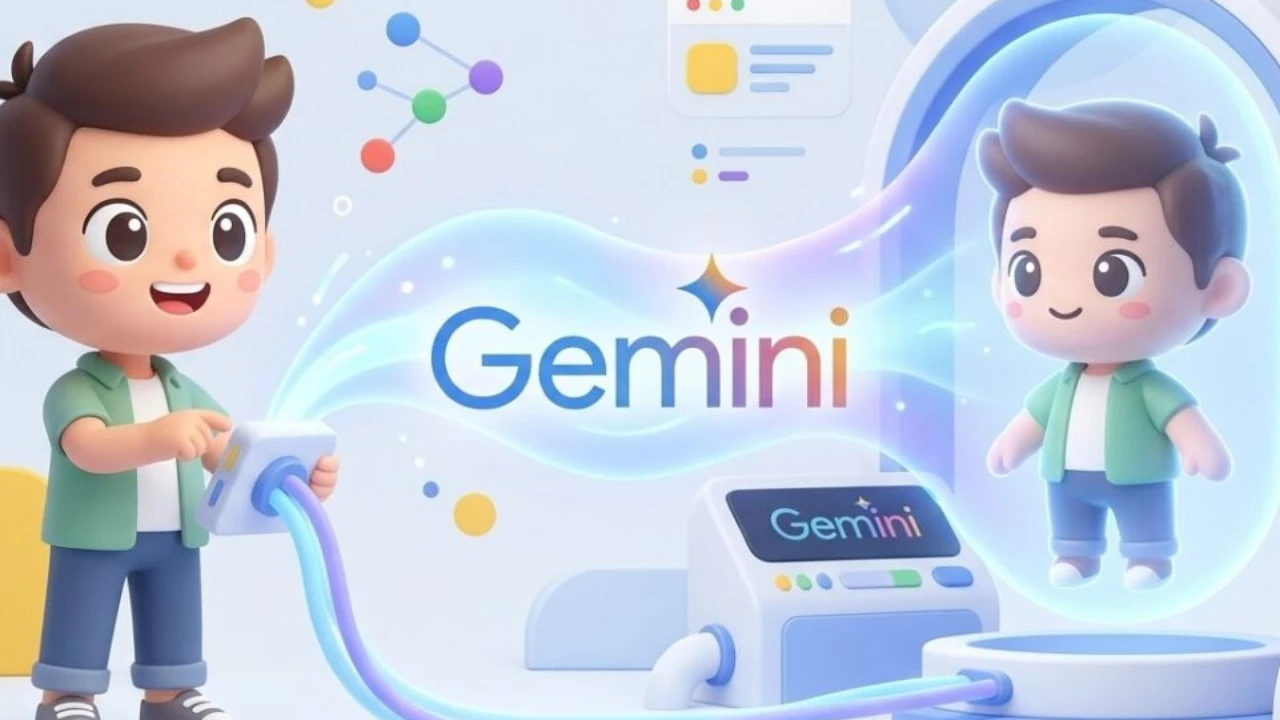
Frighteningly Realistic: Google Gemini Launches AI Avatar Creation Feature
Google has introduced a groundbreaking new feature within its Gemini AI application that allows users to create strikingly realistic digital avatars of themselves. The Avatar function, which has now gone live for users, represents a significant leap forward in personalized artificial intelligence technology, enabling people to generate digital copies that capture their likeness with unprecedented accuracy. Early users have described the results as “frighteningly realistic,” raising both excitement about the technology’s potential and concerns about its implications for privacy and digital identity.
How the Avatar Feature Works
The new Avatar feature operates by examining photographs and other visual information supplied by users to build a three-dimensional digital representation. In contrast to earlier avatar creation tools that generated cartoon-like or stylized versions of users, Google’s implementation harnesses the advanced capabilities of its Gemini large language model alongside sophisticated image generation technology. The avatars produced can reportedly capture nuanced facial features, skin textures, and even distinctive expressions that make them virtually indistinguishable from actual photographs or video footage of the real person.
This development comes as part of Google’s broader strategy to maintain its competitive edge in the rapidly evolving artificial intelligence landscape. The company has been investing billions of dollars in AI research and development, particularly following the explosive success of OpenAI’s ChatGPT, which prompted what many industry observers have called an “AI arms race” among major technology companies. Google’s Gemini, first introduced in late 2023, has undergone continuous improvements and now serves as the company’s flagship AI product, replacing the earlier Bard chatbot and integrating deeply across Google’s ecosystem of services.
The Technology Behind Realistic Avatars
The technology behind realistic avatar creation has roots in research conducted over the past decade in computer vision, generative adversarial networks (GANs), and more recently, diffusion models. These AI systems learn to generate new images by studying millions of existing photographs, gradually developing the ability to create entirely new visuals that appear authentic. The application of such technology to personal avatars opens up numerous possibilities, from creating digital representatives for video calls and virtual meetings to developing personalized AI assistants that users might find more relatable and engaging.
Privacy Concerns and Ethical Implications
However, the launch has also reignited debates about the ethical implications of hyper-realistic AI-generated imagery. Security experts and digital rights advocates have long warned about the potential misuse of such technology for creating deepfakes, facilitating identity theft, or enabling new forms of fraud and manipulation. The ability for ordinary users to create convincing digital copies of themselves — or potentially of others — raises questions about consent, authentication, and the very nature of visual evidence in an era where seeing can no longer be equated with believing.
Google’s Safety Measures
Google has reportedly implemented several safeguards to address these concerns, including restrictions on creating avatars of other people without their consent and watermarking technology designed to identify AI-generated content. The company has also emphasized that the feature is intended primarily for legitimate personal and professional uses, such as creating consistent profile images across platforms or experimenting with different appearances in a safe digital environment. Nevertheless, critics argue that determined bad actors will inevitably find ways to circumvent such protections, and that the release of increasingly powerful generative AI tools to the general public requires more robust regulatory frameworks.
The Future of AI Personalization
The Avatar feature joins a growing suite of AI-powered tools that Google has been rolling out through its Gemini platform. Recent months have seen the introduction of enhanced coding assistance, improved language translation, and sophisticated document analysis capabilities. Industry analysts suggest that personalization features like Avatar creation are part of Google’s effort to differentiate its AI offerings and create deeper engagement with users who might otherwise turn to competing products from OpenAI, Microsoft, Meta, or emerging startups. As AI technology continues to advance at a remarkable pace, the line between digital and physical identity grows increasingly blurred, presenting both extraordinary opportunities and unprecedented challenges for society to navigate.