
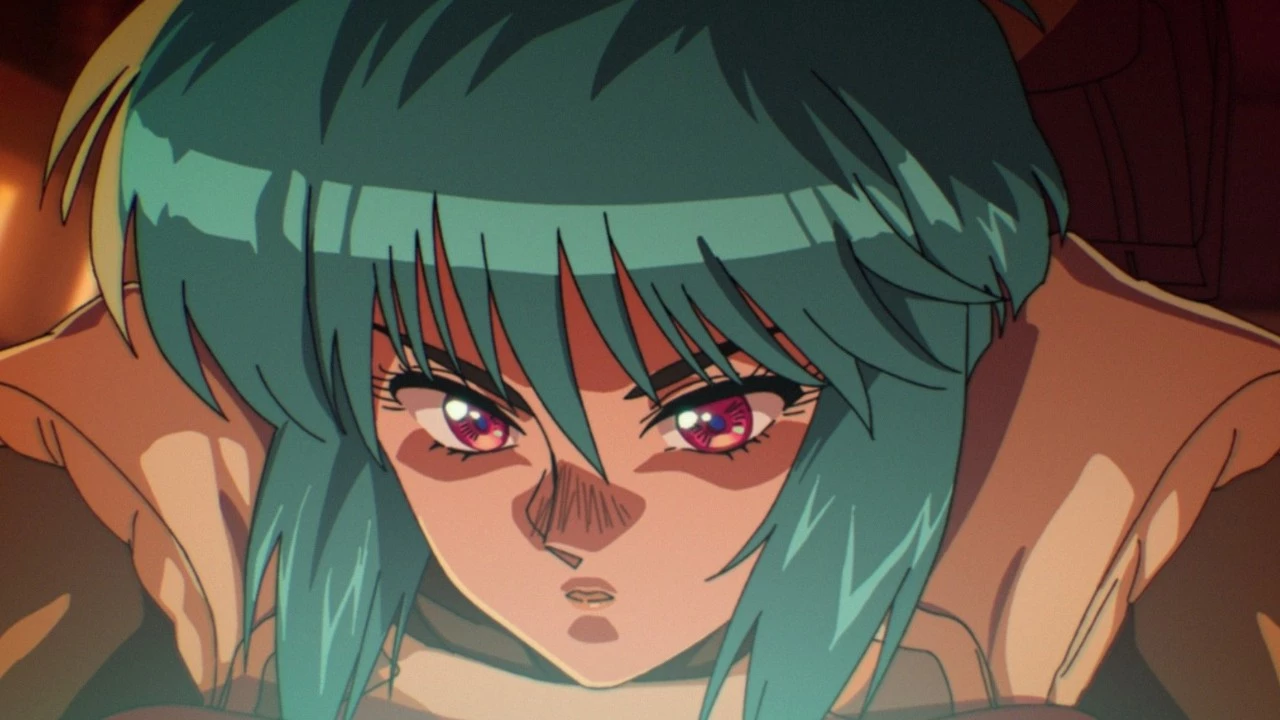
Director of New ‘Ghost in the Shell’ Considers Himself a True Machine
Mokochan, the director behind the highly anticipated new adaptation of Masamune Shirow’s legendary manga ‘Ghost in the Shell’ from Studio Science SARU, is capturing attention not only for his work on the anime but also for his eccentric and unconventional approach to animation and filmmaking. In an industry known for its demanding schedules and meticulous attention to detail, Mokochan stands out as a figure who has fully embraced the mechanical precision that his work demands, going so far as to describe himself as a ‘true machine’ in his creative process.
The director’s self-characterization speaks volumes about his dedication to the craft and his philosophical alignment with the themes central to ‘Ghost in the Shell’ itself. The franchise, which debuted as a manga in 1989, has long explored the boundaries between humanity and technology, questioning what it means to be human in an increasingly digitized world. For Mokochan to identify with machine-like qualities while helming such a project creates a fascinating meta-narrative that fans and industry observers find particularly compelling.
A Legacy of Cyberpunk Excellence
‘Ghost in the Shell’ holds an unparalleled position in the history of anime and science fiction. Masamune Shirow’s original manga introduced readers to Major Motoko Kusanagi and Section 9, a special operations task force dealing with cyber-terrorism in a future where the line between human consciousness and artificial intelligence has become dangerously blurred. The 1995 film adaptation directed by Mamoru Oshii became a landmark achievement in animation, influencing countless works including the Wachowskis’ ‘The Matrix’ trilogy. The franchise has since spawned multiple films, television series, and even a controversial 2017 Hollywood live-action adaptation starring Scarlett Johansson.
The selection of Studio Science SARU for this new adaptation has generated considerable excitement within the anime community. Founded in 2013 by Masaaki Yuasa and Eunyoung Choi, Science SARU has earned a reputation for pushing creative boundaries and embracing experimental visual styles. The studio’s portfolio includes critically acclaimed works such as ‘Devilman Crybaby,’ ‘Keep Your Hands Off Eizouken!,’ and ‘Scott Pilgrim Takes Off.’ Their willingness to take artistic risks makes them an intriguing choice for reimagining such an iconic property, promising a fresh perspective while honoring the source material’s philosophical depth.
The Philosophy Behind the Machine Mindset
Mokochan’s declaration of being a ‘machine’ reflects a broader philosophy that many successful animators share: the ability to maintain unwavering focus, consistency, and precision throughout the grueling production process. Animation directors often work eighteen-hour days during peak production periods, coordinating hundreds of artists and technicians while ensuring that every frame meets their exacting standards. This mechanical approach to creativity might seem paradoxical, but it allows directors to execute their artistic visions without the emotional fluctuations that can derail complex projects. In Mokochan’s case, this mindset appears to be both a working methodology and a personal philosophy that aligns perfectly with the themes he’s bringing to screen.
Industry experts note that this approach to direction has become increasingly common among younger Japanese animators who grew up immersed in digital technology. Unlike their predecessors who relied primarily on hand-drawn techniques, this new generation views the integration of human creativity and technological tools as seamless and natural. The result is often work that feels both technically precise and emotionally resonant, combining the best aspects of human artistry with computational efficiency. For a project like ‘Ghost in the Shell,’ which fundamentally questions where humanity ends and machines begin, having a director who embodies this synthesis seems remarkably appropriate.
What to Expect from the New Adaptation
While specific details about the new ‘Ghost in the Shell’ adaptation remain closely guarded, the combination of Science SARU’s innovative animation style and Mokochan’s unique directorial vision promises something truly special. The studio has demonstrated a remarkable ability to honor source material while injecting fresh energy and contemporary relevance into their projects. Given the franchise’s enduring themes about identity, consciousness, and the relationship between humans and technology—themes that have only grown more pertinent in our age of artificial intelligence and digital transformation—this new adaptation arrives at a particularly resonant moment in cultural history. Fans around the world eagerly await further announcements about release dates, cast information, and additional creative details as production continues.
Expert Opinion: The appointment of a director who philosophically identifies with machine-like precision for ‘Ghost in the Shell’ represents a sophisticated understanding of the franchise’s core themes. This self-aware approach, combined with Science SARU’s track record of innovative storytelling, suggests we may be witnessing the beginning of a definitive adaptation that could rival or surpass Mamoru Oshii’s 1995 masterpiece in cultural impact, particularly given contemporary audiences’ heightened awareness of AI and transhumanist concepts.