
Dungeons and Dragons Online Players Push Back Against Controversial Changes Ahead of Major Summer Expansion
A Legacy Nearly Two Decades in the Making
The venerable MMORPG Dungeons and Dragons Online is currently in the midst of testing its highly anticipated summer expansion, Terror of Demogorgon, which will arrive as part of the game’s milestone Update 80. However, what should be an exciting period for the dedicated community has instead become a flashpoint of controversy, as players voice significant concerns about several proposed changes that they feel fundamentally alter the game’s core experience. The backlash has sparked heated discussions across forums and social media platforms, highlighting the delicate balance developers must strike between innovation and preserving what fans love about long-running online games.
Dungeons and Dragons Online, developed by Standing Stone Games (formerly Turbine), has been operating continuously since 2006, making it one of the longest-running MMORPGs in gaming history. The game distinguished itself by faithfully adapting the complex rule systems of Dungeons and Dragons 3.5 Edition, offering a uniquely tactical and build-focused experience that set it apart from more action-oriented competitors. Over nearly two decades, the game has cultivated a passionate and dedicated player base that has weathered numerous updates, business model changes, and the departure of original developers. This history makes the community particularly sensitive to changes that appear to threaten the game’s distinctive identity.
Terror of Demogorgon and the Controversial Changes
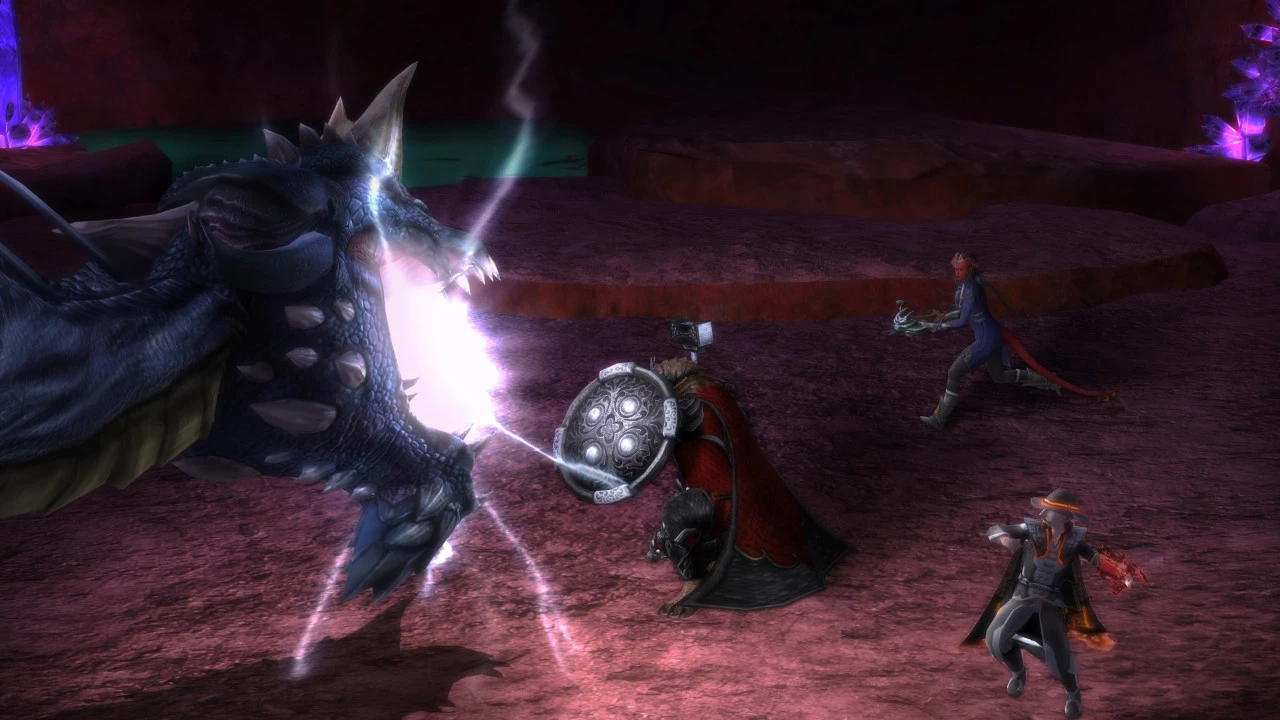
The Terror of Demogorgon expansion centers around one of D&D’s most iconic villains—the two-headed demon prince Demogorgon, a creature of chaos and madness that has terrorized players in tabletop campaigns since the earliest days of the franchise. The expansion promises new dungeons, quests, and challenges appropriate for high-level characters, along with the usual assortment of new items and rewards. However, accompanying this content are systematic changes that have drawn the ire of veteran players. Reports from the test server indicate modifications to class abilities, combat mechanics, and progression systems that many feel undermine character builds they have spent years perfecting.
This criticism highlights a wider conflict in live-service gaming between the demand for new content and mechanical progression versus honoring the investment players have already made. Numerous Dungeons and Dragons Online players have dedicated thousands of hours to developing sophisticated character builds that leverage the game’s intricate rule interactions. When developers modify these systems—even with intentions of enhancing balance or overall gameplay quality—they risk rendering strategies and character concepts that players have become deeply connected to obsolete. This issue, often referred to as “build invalidation,” remains a persistent source of friction in games featuring extensive customization options.
Developer-Community Relations Under Pressure
Standing Stone Games has historically maintained relatively open communication with its player base, regularly engaging through official forums and developer livestreams. The current controversy puts this relationship to the test, as community managers and developers must navigate vocal criticism while defending their design decisions. Some players have called for rollbacks of specific changes, while others advocate for more fundamental reconsideration of the expansion’s direction. The situation is complicated by the fact that feedback during testing periods often leads to adjustments, meaning the final release may look significantly different from what players are currently experiencing on test servers.
The timing of this dispute is especially significant considering the wider revival of interest in Dungeons and Dragons as a brand. The tabletop game has seen remarkable growth in popularity in recent years, fueled by actual-play programs like Critical Role and the commercial triumph of the Baldur’s Gate 3 video game. This cultural phenomenon has attracted new players to DDO, while simultaneously increasing the importance of how the game presents itself to potential newcomers from the tabletop world. An expansion that drives away current players while struggling to attract fresh ones could mark a major setback for a game that has exceeded industry predictions by staying relevant for close to two decades.
The Road Ahead for Update 80
As testing proceeds and Update 80’s launch date draws near, the Dungeons and Dragons Online community stays vigilant. The resolution of this controversy will probably hinge on how willing Standing Stone Games is to address player feedback, and whether middle-ground solutions can emerge that fulfill both the developers’ objectives and the community’s hopes. For a game founded on collaborative narrative and shared quests, discovering mutual understanding between creators and players seems appropriate—though as any dungeon master understands, not every encounter concludes with universal satisfaction. The upcoming weeks will determine whether Terror of Demogorgon earns its title for the intended reasons, or whether the true horror resides within the patch notes.