
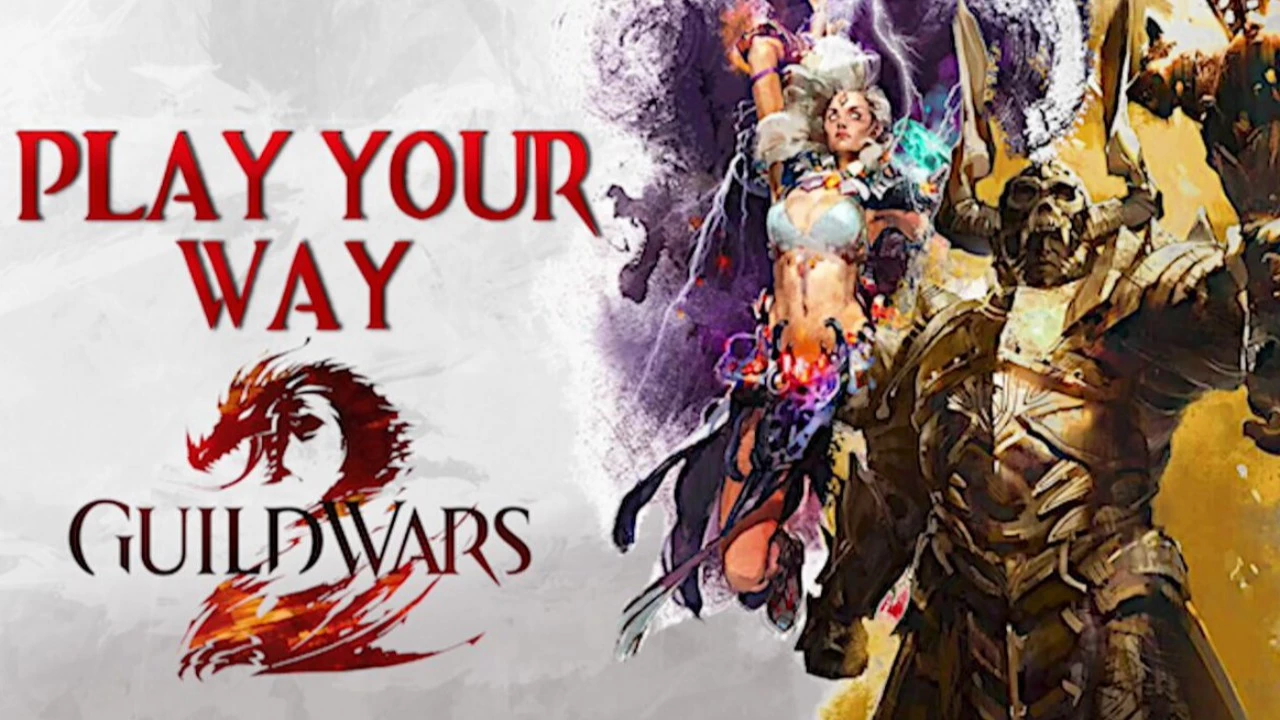
Guild Wars 2 Developers Remind Players That After Nearly 14 Years, You Can Still Play However You Want
As Guild Wars 2 approaches its remarkable 14th anniversary, developer ArenaNet has released a heartfelt reminder to both veteran adventurers and newcomers alike: the game’s core philosophy of freedom remains as strong as ever. The studio partnered with content creator Kroof, a member of their official partner program, to produce a new promotional video celebrating the diverse ways players engage with the beloved MMORPG. The campaign also invites the community to share their personal stories about why they love exploring the fantastical world of Tyria.
A Legacy of Player Freedom in the MMO Genre
Guild Wars 2 launched in August 2012 and quickly distinguished itself from competitors by rejecting many traditional MMORPG conventions. Unlike games that required monthly subscriptions and forced players into rigid progression paths, ArenaNet designed their world to accommodate virtually any playstyle. Whether players prefer intense competitive battles, cooperative dungeon raids, casual exploration, crafting economies, or simply enjoying the game’s rich narrative, Guild Wars 2 has consistently provided meaningful content for everyone.
The game’s revolutionary approach to questing eliminated the need to compete with other players for kills or resources. Its dynamic event system created a living world where players naturally cooperated rather than competed. Level scaling technology ensured that high-level veterans could meaningfully play alongside newcomers without trivializing content. These innovations, considered groundbreaking at launch, have influenced countless games in the years since.
Thriving Community After More Than a Decade
The longevity of Guild Wars 2 speaks volumes about its design philosophy. In an industry where many online games struggle to maintain relevance beyond a few years, ArenaNet’s flagship title continues to attract new players while retaining a dedicated core community. The game has expanded significantly since launch, adding two major expansions—Heart of Thorns and Path of Fire—along with the End of Dragons expansion in 2022 and Secrets of the Obscure in 2023. Each release has introduced new regions, mechanics, and storylines while preserving the accessibility that defines the experience.
Industry analysts note that Guild Wars 2’s success demonstrates the viability of alternative business models in the MMO space. The game’s combination of a one-time purchase model with optional cosmetic microtransactions has proven sustainable, allowing ArenaNet to continue developing substantial content updates without implementing pay-to-win mechanics that often alienate dedicated players.
What Makes Tyria Special
The world of Tyria itself remains one of Guild Wars 2’s greatest achievements. From the towering structures of the Charr industrial heartland to the mystical forests of the Sylvari, each region tells its own story through environmental design. Players frequently cite the game’s art direction and world-building as primary reasons for their continued engagement. The living world updates, which add free story content to players who log in during release windows, have kept the narrative evolving for over a decade.
ArenaNet’s decision to spotlight community voices through partnerships with content creators like Kroof reflects their understanding that Guild Wars 2’s strength lies in its diverse player base. The upcoming anniversary celebrations will likely include special events, rewards, and community activities that honor both the game’s history and its future potential. As the MMORPG genre continues to evolve, Guild Wars 2 stands as proof that respecting player agency and maintaining consistent quality can create experiences that endure far beyond initial expectations.
Expert Opinion: Guild Wars 2’s approaching 14th anniversary demonstrates that MMORPGs built around player freedom rather than addictive grinding mechanics can achieve remarkable longevity. As the gaming industry increasingly focuses on engagement metrics and monetization, ArenaNet’s sustained success suggests that respecting players’ time and preferences remains a viable—and perhaps superior—business strategy for online games seeking lasting relevance.