
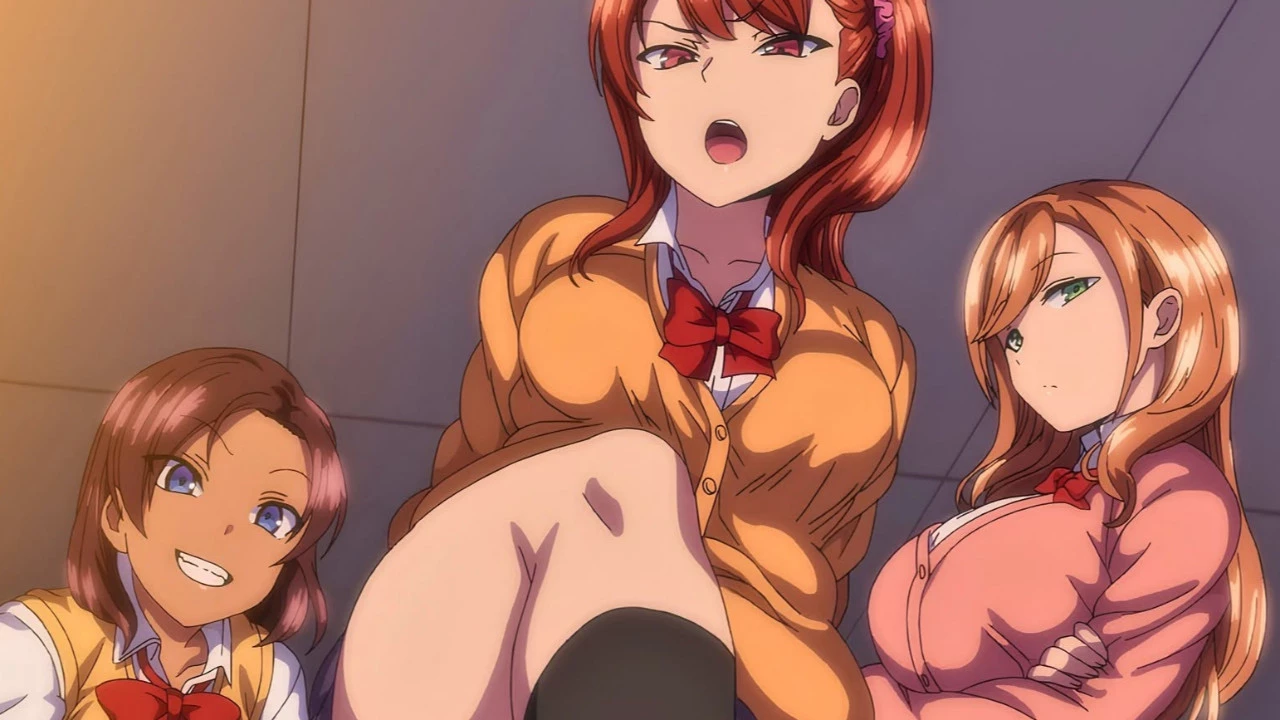
Japanese Hentai Artist Faces Death Threats from Online Activists, Vows to Continue Creating Controversial Content
Japanese adult manga artist Oka Aiue has become the target of intense online harassment and death threats from feminist activists and internet users who take issue with his explicit artwork. The controversy, which has been escalating over recent weeks, highlights the ongoing cultural clash between content creators in Japan’s massive adult entertainment industry and international critics who view such material as harmful and degrading to women. Despite the serious nature of the threats against him, the artist has publicly stated his intention to continue his work and has even promised to create content that will further provoke his detractors.
The situation began when screenshots of Aiue’s hentai manga—a genre of explicitly sexual Japanese comics—began circulating on Western social media platforms, particularly Twitter and various feminist forums. Critics accused the artist of producing content that objectifies women and normalizes harmful attitudes toward female bodies. The backlash quickly intensified, with some users crossing the line from criticism into direct threats of violence against the creator. Aiue shared some of these threatening messages on his social media accounts, revealing the extent of harassment he has been receiving from individuals around the world.
Hentai and adult manga occupy a complex legal and cultural space in Japan. While the production and distribution of such material is legal for adults in the country, it remains controversial both domestically and internationally. Japan’s manga and anime industry generates billions of dollars annually, with adult content representing a significant portion of that market. The industry has faced periodic criticism from various groups over the decades, but creators have generally been protected by strong free speech provisions in Japanese law and a cultural acceptance of adult entertainment as a legitimate form of artistic expression.
The controversy surrounding Aiue reflects broader tensions between Japanese content creators and international audiences who increasingly consume their work through the internet. Social media has made it easier than ever for critics from different cultural backgrounds to directly engage with—and sometimes harass—creators whose work they find objectionable. This phenomenon has affected numerous Japanese artists, game developers, and other content creators who may have previously been insulated from foreign criticism by language and geographic barriers.
In response to the threats, Aiue has taken a defiant stance that has further inflamed his critics. Rather than apologizing or moderating his content, the artist publicly announced his intention to create work specifically designed to anger those who have targeted him. This provocative response has drawn both criticism and support from various corners of the internet, with some viewing it as a principled stand for artistic freedom and others seeing it as deliberately inflammatory behavior that will only escalate the conflict.
Legal experts note that while death threats are criminal offenses in most jurisdictions, the international nature of online harassment makes prosecution extremely difficult. Japanese authorities have historically been slow to address online threats, though recent high-profile cases have prompted some legislative efforts to strengthen cyberbullying laws. For creators like Aiue, the practical options for protection remain limited, often forcing them to either endure the harassment, abandon their public presence, or in some cases, cease creating altogether.
The incident has reignited debates about the boundaries of acceptable content, the limits of online activism, and the ethics of targeting individuals with harassment campaigns regardless of one’s views on their work. Supporters of Aiue argue that regardless of personal opinions about hentai, threatening violence against creators is never justified and represents a dangerous escalation of online discourse. Critics counter that the adult manga industry perpetuates harmful stereotypes and that strong opposition, though not violence, is warranted. As the situation continues to develop, it serves as yet another example of the increasingly contentious relationship between content creators and the global audiences who consume and critique their work in the digital age.