
Top Japanese Voice Actors Unite Against Illegal AI Voice Cloning in Landmark Legal Action
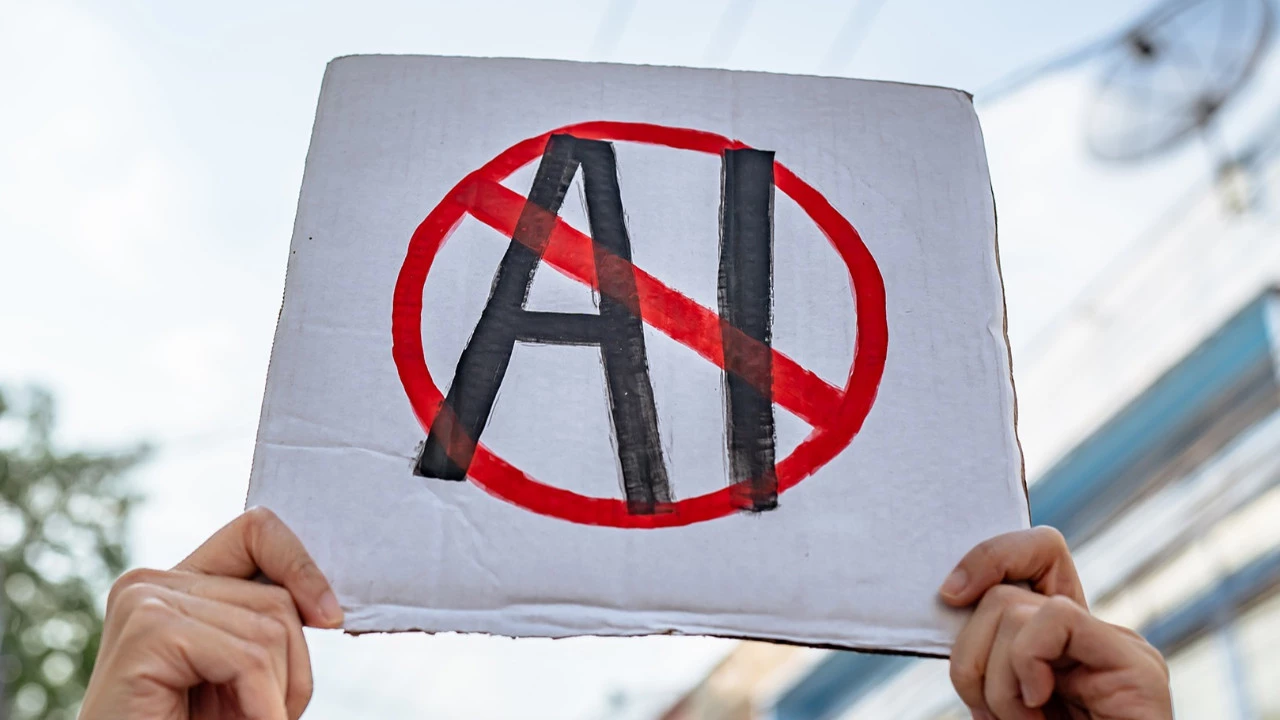
The Japanese voice acting industry, known locally as seiyū, has launched a decisive legal offensive against the unauthorized cloning of performers’ voices using artificial intelligence technology. This unprecedented move marks a significant escalation in the ongoing global battle between creative professionals and the rapidly advancing capabilities of AI-generated content. Some of Japan’s most prominent voice actors have joined forces to protect their vocal identities from being replicated without consent, setting the stage for what could become a landmark case in intellectual property law.
Coalition of Renowned Voice Actors Takes a Stand
The coalition includes renowned seiyū whose voices have brought life to countless beloved anime characters, video game protagonists, and commercial campaigns over decades of work. These performers argue that their voices represent years of professional training, unique artistic expression, and personal branding that cannot be simply copied and distributed without proper compensation or authorization. The legal action specifically targets websites and services that offer AI-generated voice synthesis using samples taken from copyrighted recordings without the performers’ knowledge or agreement.
The voice acting profession in Japan occupies a distinctive and culturally important role within the nation’s entertainment sector. In contrast to numerous Western markets where voice work is frequently viewed as secondary employment, Japanese seiyū achieve celebrity recognition on par with mainstream performers and musicians. They produce music albums, give live concert performances, host radio programs, and cultivate devoted fan bases that reach into the millions. This cultural significance renders the unauthorized utilization of their voices especially harmful, since it jeopardizes not just their direct earnings but also their meticulously developed public images and artistic legacies.
The Growing Threat of AI Voice Cloning Technology
The rise of AI voice cloning technology has created unprecedented challenges for performers worldwide, but the Japanese seiyū community faces particularly acute concerns. The anime and gaming industries, which rely heavily on distinctive vocal performances, have seen an explosion of unauthorized AI-generated content flooding online platforms. Some of these synthetic voices are being used to create unofficial character dialogues, while others appear in commercial products that directly compete with legitimate productions. Industry experts estimate that the illegal AI voice market has grown exponentially over the past two years, with thousands of voice models available for download on various websites.
Legal Implications and Precedent-Setting Potential
Legal experts following the case suggest that Japanese courts may be receptive to the performers’ arguments, given the country’s relatively strong protections for personality rights and artistic expression. Japan’s legal framework includes provisions that protect individuals from unauthorized commercial use of their likeness, which some attorneys believe can be extended to cover vocal characteristics. However, the application of these laws to AI-generated content remains largely untested, making this case potentially pivotal in establishing legal precedents for the entire entertainment industry. Similar legal battles are being fought in the United States and European Union, but Japan’s case may prove particularly influential given the global reach of its anime and gaming exports.
Industry-Wide Protective Measures
The entertainment industry’s response to AI voice cloning extends beyond legal action. Several major animation studios and game developers have begun implementing stricter contractual protections for their voice talent, including explicit clauses prohibiting the use of recordings for AI training purposes. Some companies are also investing in authentication technologies that would allow fans to verify whether a voice performance is genuine or artificially generated. These industry-wide efforts reflect growing recognition that the creative ecosystem depends on protecting the human artists whose talents drive its success.
Global Impact and the Future of Creative Rights
International observers are watching the Japanese case closely, as its outcome could influence similar disputes in other countries. The Screen Actors Guild in the United States has made AI voice protection a central issue in recent contract negotiations, while European performers’ unions have called for comprehensive legislation addressing synthetic media. The Japanese seiyū’s united front represents one of the most organized and high-profile responses to AI voice cloning yet seen, potentially serving as a model for creative professionals worldwide. As AI technology continues to advance at a rapid pace, the balance between technological innovation and artistic rights will likely remain a contentious battleground for years to come, with this case serving as an important early chapter in that ongoing struggle.