
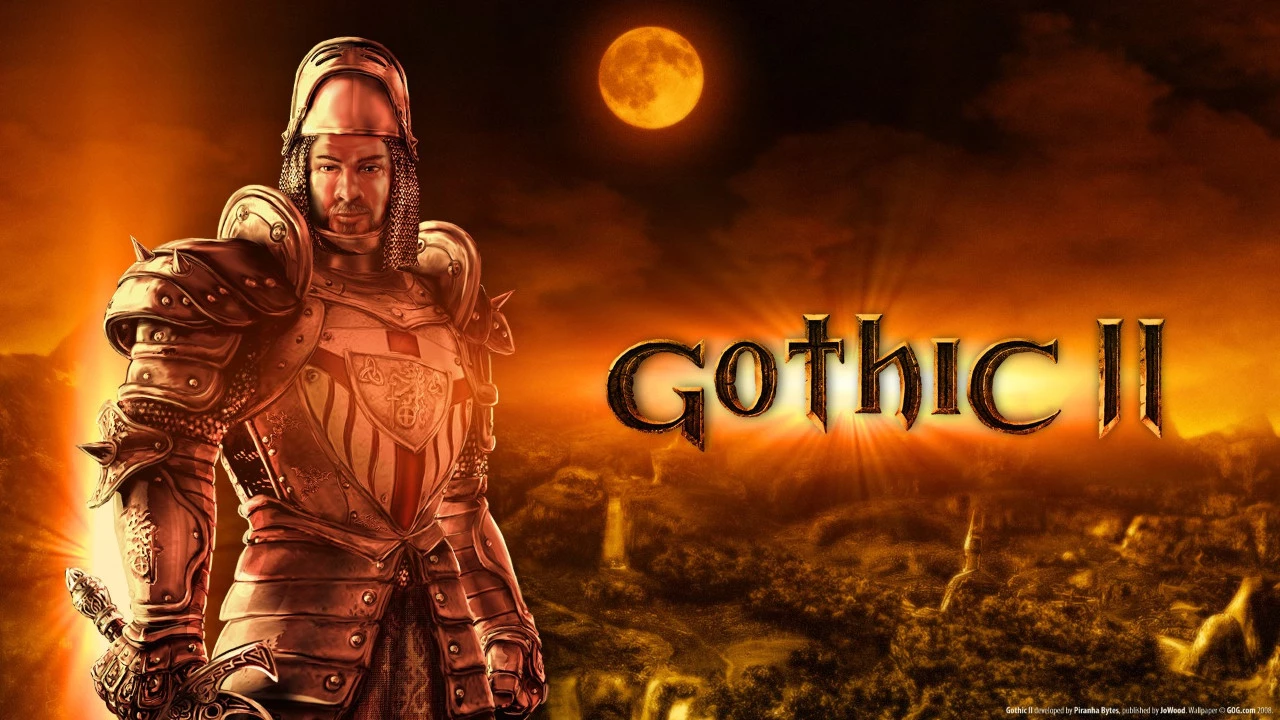
Voice Actor Reveals Gothic 2 Remake Is Officially in Development
Fans of the legendary role-playing game series have been sent into a frenzy following a remarkable revelation from the entertainment industry. Russian voice actor Pyotr Glants, who recently lent his talents to the remake of the original Gothic game, has confirmed that development work has begun on an updated version of Gothic 2. This announcement has ignited passionate discussions across gaming communities worldwide, as players who grew up with the beloved franchise eagerly anticipate the possibility of experiencing the classic adventure with modern graphics and gameplay improvements.
The news comes as a particularly welcome surprise given the successful reception of the Gothic 1 Remake, which demonstrated that developer Alkimia Interactive and publisher THQ Nordic are committed to honoring the legacy of the original games while bringing them to contemporary standards. Glants, whose distinctive voice work has become synonymous with the Russian-language versions of these games, appears to have inadvertently confirmed what many fans had been hoping for since the first remake was announced.
The Legacy of Gothic 2: A Milestone in RPG History
Gothic 2, originally released by German developer Piranha Bytes in 2002, is widely considered one of the greatest role-playing games ever created. The game built upon the foundations laid by its predecessor, offering players an expansive open world filled with memorable characters, challenging combat, and a richly detailed narrative. Set in the kingdom of Khorinis, the game follows the Nameless Hero as he awakens after the events of the first game and must navigate a world threatened by dragons and an invading army of orcs. The game’s expansion, Night of the Raven, added even more content and is often bundled with the base game in modern releases.
What made Gothic 2 particularly special was its uncompromising approach to world design and player freedom. Unlike many RPGs of its era, the game refused to hold the player’s hand, featuring a brutal difficulty curve that rewarded careful exploration and strategic thinking. The world felt genuinely alive, with NPCs following daily routines, factions vying for power, and consequences that rippled through the narrative based on player choices. This level of immersion was revolutionary for its time and continues to influence game design to this day. The game sold millions of copies worldwide and developed a cult following that remains active more than two decades later.
THQ Nordic’s Ambitious Remake Initiative
THQ Nordic acquired the rights to the Gothic franchise in 2019 when they purchased the assets of the original publisher JoWooD Entertainment. Since then, the company has shown a clear commitment to reviving the series for modern audiences. The Gothic 1 Remake, developed by Barcelona-based studio Alkimia Interactive, has been in development for several years following a playable teaser that was released in 2019 to gauge fan interest. The overwhelmingly positive response to that teaser convinced THQ Nordic to greenlight the full remake project.
The approach taken by Alkimia Interactive has been notably respectful of the source material while introducing meaningful improvements. The team has focused on recreating the atmospheric world of the original game using Unreal Engine, with enhanced graphics, revised combat mechanics, and quality-of-life improvements that make the experience more accessible without sacrificing the core identity that made Gothic beloved in the first place. If similar care is applied to Gothic 2, fans can expect a faithful recreation that honors the original while making it appealing to newcomers who might be put off by the dated graphics and clunky controls of the 2002 release.
What Fans Can Expect from the Gothic 2 Remake
While specific details about the Gothic 2 Remake remain scarce following Glants’ revelation, speculation is already running rampant in gaming communities. Given the scope and ambition of the original game, a remake would be a significant undertaking. Gothic 2’s world was considerably larger than its predecessor, featuring the city of Khorinis, the Valley of Mines from the first game, and entirely new regions including farmlands, forests, and the treacherous lands beyond the mountain pass. Recreating all of this content with modern fidelity would require substantial resources and development time.
Industry analysts suggest that THQ Nordic’s strategy of remaking classic titles has proven commercially viable, with remakes and remasters of beloved franchises consistently performing well in the current market. The success of projects like the Resident Evil remakes, Final Fantasy VII Remake, and Dead Space has demonstrated that players are willing to invest in updated versions of games they love. For Gothic fans who have been waiting over two decades for a proper sequel or continuation of the series, these remakes represent a promising sign that the franchise has a future worth believing in.
Expert Opinion: The confirmation of Gothic 2 Remake signals THQ Nordic’s long-term commitment to rebuilding the Gothic franchise as a viable modern IP. Given the original game’s larger scope and the lessons learned from developing the first remake, we can expect a development cycle of at least 3-4 years. If successful, this could pave the way for an entirely new Gothic title, potentially revitalizing a franchise that once stood alongside Elder Scrolls and Baldur’s Gate as pillars of the Western RPG genre.