
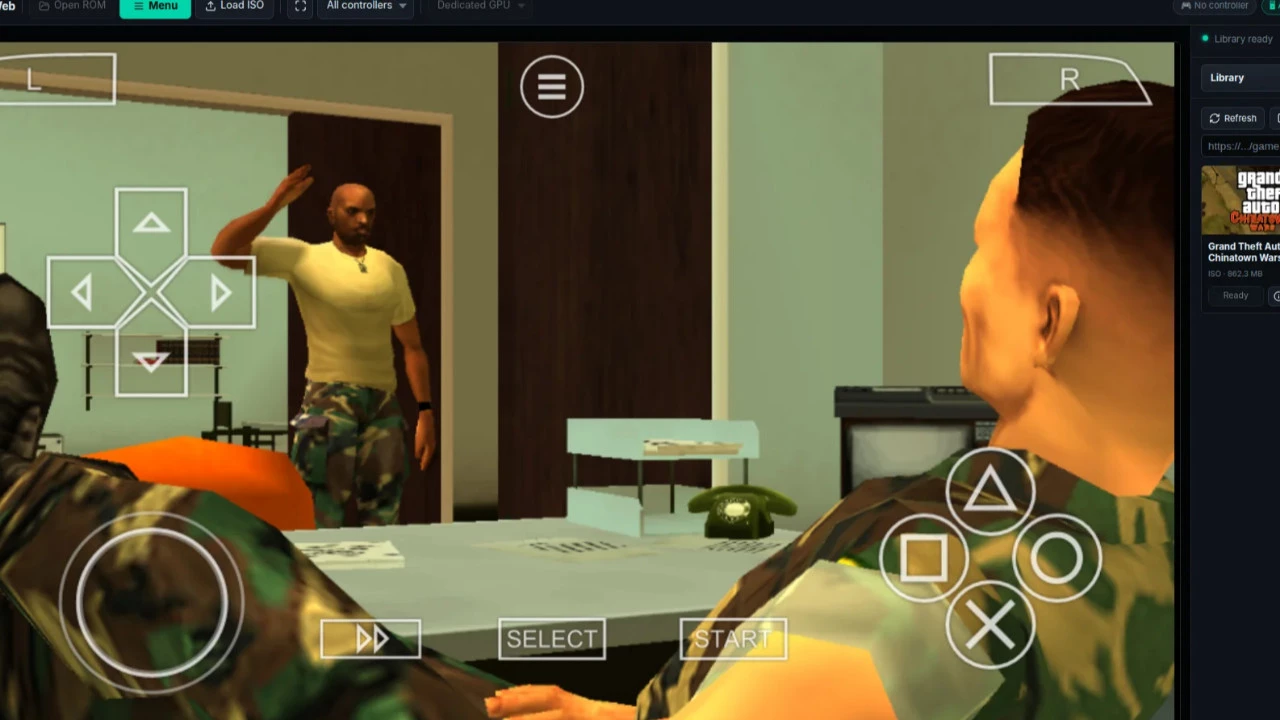
PSP Games Now Playable Directly in Your Browser Thanks to New Web-Based Emulator
A passionate developer known as Root-hunter has unveiled an unofficial web-based version of the popular PPSSPP emulator, enabling gamers to play PlayStation Portable titles directly through their internet browsers without any downloads or installations. This groundbreaking development marks a significant milestone in retro gaming accessibility, bringing Sony’s beloved handheld console library to virtually any device with a modern web browser.
The Legacy of PPSSPP and the PlayStation Portable
The PPSSPP emulator has long been considered the gold standard for PSP emulation, originally created by Henrik Rydgård in 2012. The emulator has been available across multiple platforms including Windows, macOS, Linux, Android, and iOS, earning a reputation for its excellent compatibility and performance optimization. Now, with this browser-based implementation, the barriers to entry have been reduced even further, eliminating the need for users to download and configure software on their devices.
The PlayStation Portable, released by Sony in 2004, was a revolutionary handheld gaming device that brought console-quality gaming to portable form factor. During its lifecycle, the PSP sold over 80 million units worldwide and amassed a library of more than 800 games spanning various genres. Iconic titles such as God of War: Chains of Olympus, Monster Hunter Freedom Unite, Crisis Core: Final Fantasy VII, and Gran Turismo became system sellers and helped establish the PSP as a serious gaming platform rather than just a portable curiosity.
Technical Achievements Behind Browser-Based Emulation
The engineering accomplishment of running a PSP emulator within a browser becomes especially remarkable when you examine the original hardware specifications. The PSP was equipped with a 333 MHz MIPS processor and 32 MB of RAM, which although modest compared to current standards, demanded sophisticated emulation methods to reproduce faithfully. The web version utilizes contemporary browser technologies such as WebAssembly (WASM) and WebGL to deliver playable performance, showcasing the significant progress web-based computing has made in recent years.
Browser-based emulation has been gaining traction in the retro gaming community as a convenient alternative to traditional software installation. Projects like this web PPSSPP build upon earlier successes in browser emulation, including JavaScript-based NES, SNES, and Game Boy emulators that have existed for years. However, emulating more powerful systems like the PSP in a browser represents a significant technical leap, requiring efficient code optimization and careful resource management to maintain acceptable frame rates and audio synchronization.
Legal Considerations and User Responsibility
Legal aspects concerning emulation continue to be intricate and frequently misinterpreted. Although emulators are typically regarded as lawful software, as confirmed by court rulings such as Sony v. Connectix, distributing and downloading game ROM files for titles that users don’t actually own constitutes a copyright infringement. The PPSSPP project, including this web version, solely provides the emulation software, and users are expected to provide their own legitimately acquired game files, usually by extracting data from their personal game discs or downloading authorized purchases from PlayStation Store archives.
Future Implications for Gaming Preservation
The implications of browser-based PSP emulation extend beyond simple convenience. Educational institutions, libraries, and gaming preservation organizations could potentially use such technology to provide access to historically significant titles without requiring dedicated hardware. Additionally, this development opens doors for cloud gaming concepts where game processing could theoretically be handled server-side with only video streaming and input handling managed by the browser. As web technologies continue to evolve with advancements in WebGPU and improved JavaScript engines, we can expect even more sophisticated emulation projects to emerge, further democratizing access to gaming’s rich history for enthusiasts worldwide.