
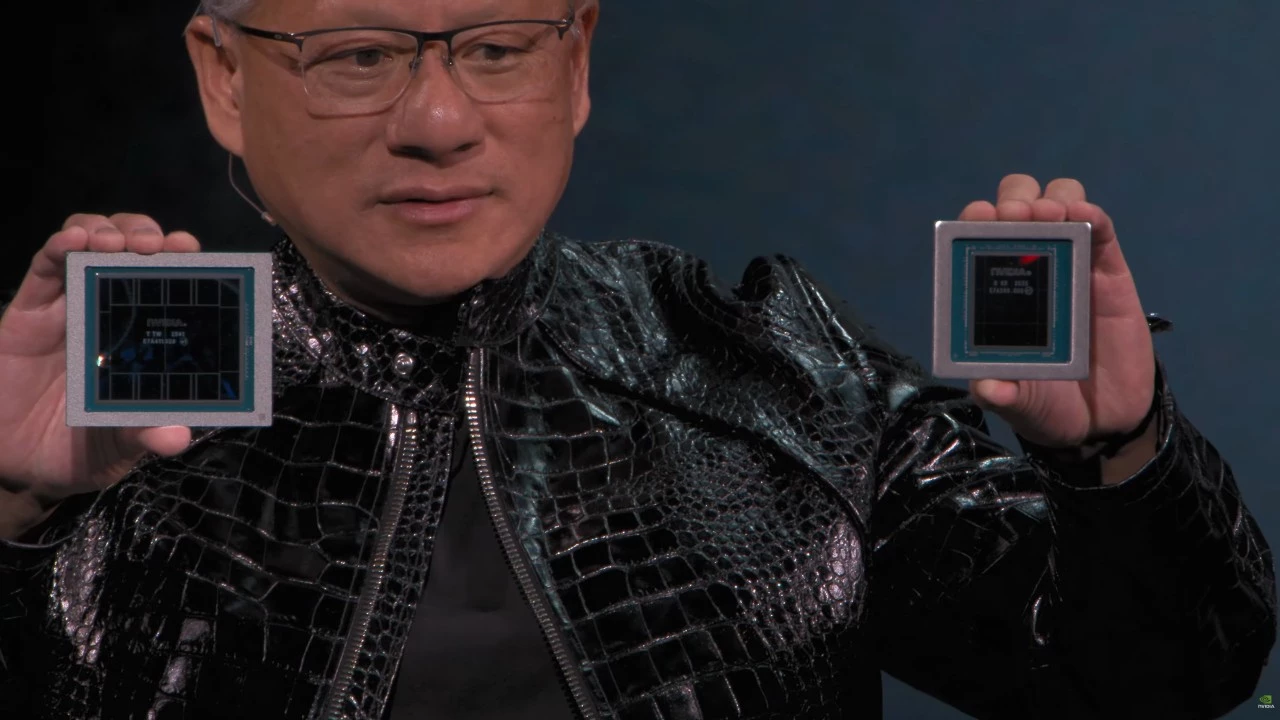
NVIDIA’s Vera Rubin ARM Processor Delivers Stunning Performance, Challenging x86 Dominance
In a development that could reshape the server processor landscape, NVIDIA’s engineering sample of the Vera Rubin processor has made its first appearance in Linux benchmarks, delivering results that signal a potential paradigm shift in enterprise computing. The 88-core chip, built on the Armv9.2 architecture, has not only shattered performance records among ARM-based solutions but has also managed to outperform flagship processors from AMD and Intel in several key workloads. This unexpected demonstration of raw computing power suggests that ARM processors are rapidly evolving from being considered mere alternatives to becoming genuine contenders for data center supremacy.
NVIDIA’s Strategic Entry into the CPU Market
The Vera Rubin processor showcases NVIDIA’s bold expansion into the CPU market, enhancing the company’s already dominant presence in GPU computing. Named in honor of the celebrated American astronomer whose work delivered crucial evidence supporting dark matter’s existence, the chip reflects NVIDIA’s ambition to build a comprehensive computing ecosystem. The processor is engineered for seamless integration with NVIDIA’s forthcoming Rubin GPU architecture, establishing a unified platform with the potential to transform artificial intelligence workloads, high-performance computing, and enterprise applications. Industry analysts have observed that this strategic initiative establishes NVIDIA as a powerful rival to well-established CPU manufacturers.
Technical Specifications and Benchmark Performance
The technical specifications of the Vera Rubin processor demonstrate the scope of NVIDIA’s engineering goals. Featuring 88 high-performance cores built on ARM’s newest Armv9.2 instruction set architecture, the chip integrates advanced capabilities including Scalable Vector Extension 2 (SVE2), which substantially boosts performance for machine learning inference, scientific computing, and multimedia processing. The architecture additionally incorporates strengthened security features and greater energy efficiency relative to earlier ARM generations. Preliminary benchmark data from Linux testing environments indicate the processor delivering exceptional scores in multi-threaded workloads, with especially notable results in memory-intensive operations essential for contemporary data center applications.
Challenging x86 Dominance in Data Centers
The significance of these benchmark results reaches well beyond straightforward performance comparisons. For decades, the x86 architecture created by Intel and subsequently embraced by AMD has held sway over the server and desktop computing markets. Yet recent years have seen a steady decline of this supremacy, hastened by Apple’s successful shift to ARM-based M-series chips and Amazon Web Services’ rollout of custom Graviton processors. NVIDIA’s entrance into this space with a processor capable of competing head-to-head with AMD’s top EPYC offerings and Intel’s Xeon lineup marks a major intensification of the ARM versus x86 rivalry.
The AI Integration Advantage
The timing of this development is particularly significant given the current state of the semiconductor industry. As artificial intelligence workloads continue to grow exponentially, data center operators are increasingly seeking integrated solutions that can handle both training and inference tasks efficiently. NVIDIA’s strategy of combining high-performance CPUs with their industry-leading GPUs addresses this demand directly. The company’s CUDA ecosystem, which has become the de facto standard for GPU computing, could extend its influence into CPU territory if Vera Rubin gains widespread adoption. This vertical integration approach mirrors strategies successfully employed by Apple and could pressure traditional CPU manufacturers to accelerate their own innovations.
Industry Outlook and Future Implications
Industry experts have offered varied perspectives on the potential impact of NVIDIA’s new processor. Some analysts suggest that the benchmark results, while impressive, represent early engineering samples that may not translate directly to production performance. Others point out that NVIDIA’s existing relationships with major cloud providers and enterprise customers could facilitate rapid adoption once the chips reach commercial availability. The software ecosystem presents both opportunities and challenges, as many enterprise applications have been optimized for x86 architectures over decades. However, the growing maturity of ARM software support, driven partly by the success of Apple Silicon and cloud-based ARM instances, has significantly reduced this barrier.
Looking ahead, the Vera Rubin processor is expected to enter production as part of NVIDIA’s broader Rubin platform, scheduled for release in the coming years. The company has indicated that the platform will target artificial intelligence supercomputers, cloud computing infrastructure, and high-performance computing clusters. If the production version maintains the performance levels demonstrated in these early benchmarks, it could force AMD and Intel to accelerate their own development cycles and potentially reconsider their architectural approaches. The server processor market, valued at tens of billions of dollars annually, may be entering its most competitive and innovative period in decades, ultimately benefiting enterprises and consumers through improved performance and efficiency.