
Microsoft Finally Allows Proper Start Menu Customization in Windows 11
A Controversial Design Choice Since Launch
After years of user complaints and requests, Microsoft has begun testing one of the most anticipated changes to Windows 11 — flexible Start Menu customization. The new features have appeared in the latest Insider build of the operating system, finally giving users the ability to choose which sections of the Start Menu they actually want to see and use. This represents a significant shift in Microsoft’s approach to user interface design, acknowledging that one-size-fits-all solutions don’t work for everyone.
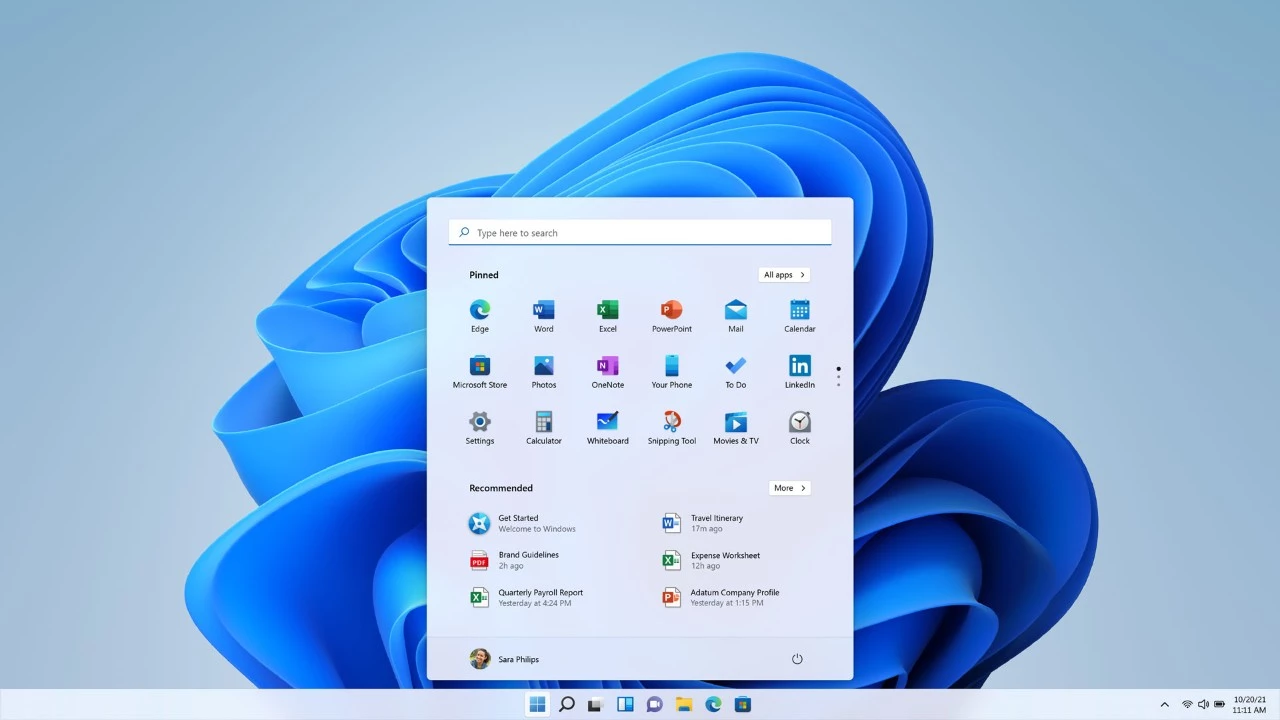
The Windows 11 Start Menu has been a source of controversy since the operating system’s launch in October 2021. Microsoft made dramatic changes to the familiar interface, centering the taskbar, removing Live Tiles entirely, and introducing a simplified design that many users found limiting. The original Windows 11 Start Menu divided the interface into pinned apps and a “Recommended” section that displayed recently opened files and applications — a feature that many users found intrusive and impossible to disable completely. Critics argued that Microsoft prioritized aesthetics over functionality, removing customization options that had existed in Windows 10.
What the New Customization Options Offer
The latest Insider build provides detailed control over how the Start Menu looks and functions. Users now have the option to choose whether the Recommended section appears at all, modify the ratio between pinned applications and recommendations, or set up a completely different arrangement that matches their workflow. This degree of personalization reflects capabilities available in previous Windows versions and responds to one of the most frequent criticisms raised in user feedback forums. Microsoft has been collecting input through its Windows Insider Program, which includes more than 10 million participants globally who test pre-release versions of the operating system.
The timing of this update is particularly noteworthy as Microsoft faces increasing competition from alternative operating systems and growing user frustration. Many power users had resorted to third-party applications like Start11 and StartAllBack to restore classic Start Menu functionality, essentially paying extra money to fix what they perceived as Microsoft’s design mistakes. The fact that a cottage industry emerged around replacing a core Windows feature speaks volumes about user dissatisfaction. By implementing native customization options, Microsoft may finally stem the tide of users seeking external solutions.
A Shift in Microsoft’s Design Philosophy
This change also reflects a broader evolution in Microsoft’s design philosophy under CEO Satya Nadella. The company has increasingly embraced user choice and flexibility across its product line, from the modular approach of Microsoft 365 to the customization options in Microsoft Edge. Windows 11 initially seemed to buck this trend with its rigid interface decisions, but the latest updates suggest Microsoft is course-correcting based on real-world feedback. The Windows team has reportedly been paying close attention to social media discussions, Reddit threads, and official feedback channels to identify pain points.
The Start Menu’s Long History
Historical context helps explain why Start Menu changes generate such passionate responses. The Start Menu has been a defining feature of Windows since its introduction in Windows 95 nearly three decades ago. Each major redesign — from Windows XP’s expanded menu to Windows 8’s controversial full-screen Start Screen to Windows 10’s hybrid approach with Live Tiles — has sparked intense debate among users. The Start Menu serves as the primary gateway to applications and settings for hundreds of millions of people daily, making any changes to its functionality highly consequential. Microsoft learned a painful lesson with Windows 8, which removed the Start button entirely and contributed to poor adoption rates.
When to Expect These Features
The new customization features are currently available only to Windows Insiders enrolled in the Dev or Canary channels, meaning general users will need to wait several months before seeing these options in stable releases. Microsoft typically tests features extensively before rolling them out to the broader public, and the timeline can vary significantly based on bug reports and user feedback during the testing phase. Industry analysts expect these Start Menu improvements to arrive in a future Windows 11 update, possibly coinciding with the next major feature update scheduled for later this year. For now, enthusiastic users can join the Windows Insider Program for free to access early builds.
Moving forward, this update could indicate that additional customization features are on the horizon. Microsoft has suggested further interface enhancements for Windows 11, including expanded control over taskbar placement, widget capabilities, and system notification settings. As remote work continues to influence how people use their computers, the need for personalized, streamlined interfaces has reached unprecedented levels. By responding to user input and delivering substantial improvements, Microsoft seems dedicated to transforming Windows 11 into a more adaptable platform that supports varied user preferences instead of imposing a uniform experience on everyone.