
Battle of the Life Simulators: Blogger Delivers In-Depth Comparison of The Sims 4, inZOI, and Paralives
The life simulation genre is experiencing an unprecedented moment of competition as a popular YouTuber from the IGR channel has released a comprehensive video comparison examining three major contenders in the space: the veteran franchise The Sims 4, the ambitious newcomer inZOI from South Korean developer Krafton, and the community-backed independent project Paralives. This detailed analysis has sparked intense discussion among simulation enthusiasts who have long awaited meaningful alternatives to Electronic Arts’ dominant franchise.
The Sims 4: A Decade of Dominance
The Sims 4, originally released in 2014, has maintained its position as the undisputed leader in the life simulation market for over a decade. Despite initial criticism for removing features present in its predecessors, EA has continuously expanded the base game through numerous expansion packs, game packs, and stuff packs, creating an ecosystem that generates hundreds of millions in annual revenue. The game transitioned to a free-to-play model in October 2022, removing the barrier to entry while maintaining its monetization through downloadable content. With over 70 million players worldwide, The Sims franchise has become a cultural phenomenon that transcends traditional gaming demographics.
InZOI: The AAA Challenger
InZOI stands as what may be the most formidable threat to The Sims’ genre supremacy ever seen. Created by Krafton, the South Korean studio responsible for the enormously popular PUBG: Battlegrounds, inZOI utilizes Unreal Engine 5 to produce photorealistic visuals that have amazed audiences since its first unveiling. The game boasts an extraordinarily comprehensive character creator enabling players to design lifelike digital people with unmatched accuracy. Early access began in late March 2025, and the title has already drawn millions of players eager to discover what a AAA-budget rival can offer the life simulation market. The visual quality alone represents a generational advancement, featuring realistic lighting, intricate textures, and smooth animations that make The Sims 4’s more stylized aesthetic seem outdated in comparison.
Paralives: The Community-Driven Alternative
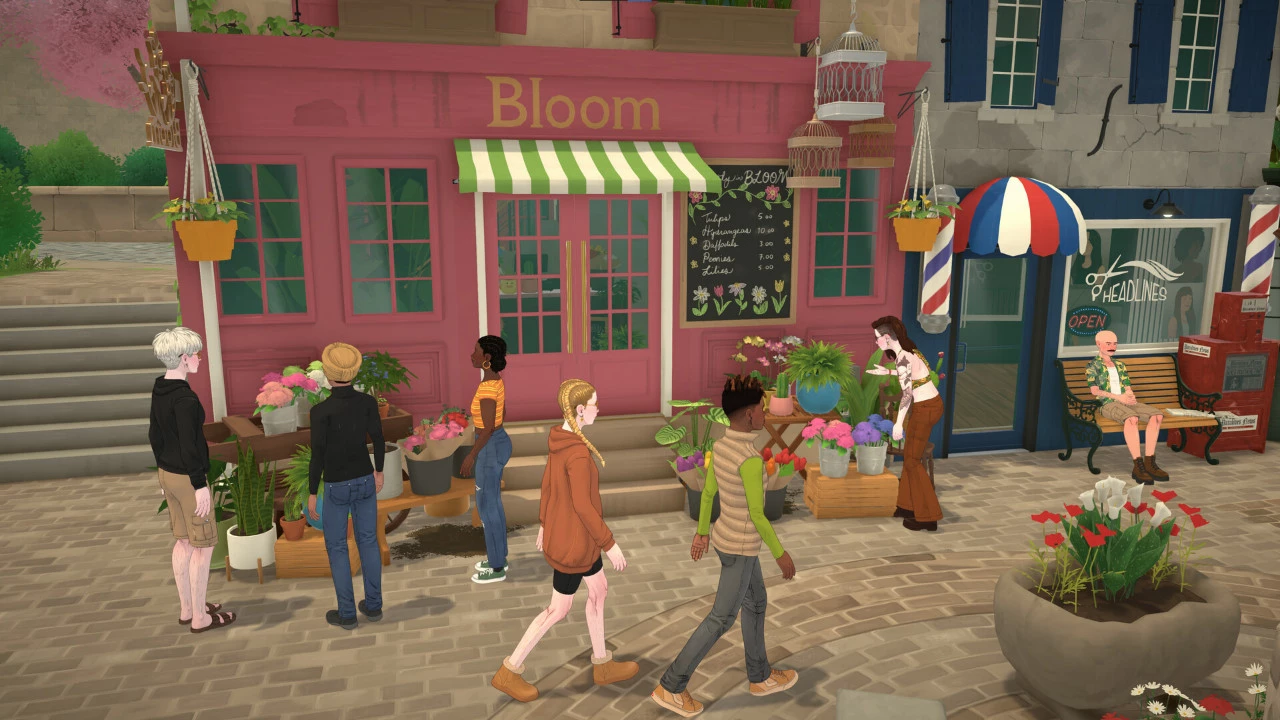
Paralives holds a distinctive spot in this three-way rivalry as a labor of love created by a small indie team at Paralives Studio. Initially revealed in 2019, the game has been financed mainly through Patreon contributions from devoted fans dissatisfied with The Sims 4’s perceived shortcomings and costly DLC structure. Paralives pledges features that longtime simulation enthusiasts have been requesting for years, such as curved walls, customizable furniture, and a more versatile building system. The development team has kept open lines of communication with their community, consistently sharing development updates and integrating player input into their design choices. Though still under development, the project exemplifies the increasing influence of crowdfunded alternatives in taking on established franchises.
Comparing the Three Contenders
The IGR comparison examines multiple crucial aspects that define the life simulation experience, including character creation depth, building tools, gameplay mechanics, and overall performance. Each game presents distinct philosophical approaches to the genre. The Sims 4 offers a polished, content-rich experience with a decade of accumulated features and an enormous modding community. InZOI pushes technical boundaries with its stunning visuals and modern game design sensibilities, though some players have noted performance concerns and the limitations inherent in a newly launched title. Paralives aims to deliver flexibility and player agency above all else, though its smaller development team means a longer wait for completion.
Historical Context and Genre Evolution
The timing of this competition is particularly significant given the life simulation genre’s evolution over the past two decades. The Sims franchise, which originated in 2000 under the creative direction of legendary designer Will Wright, has essentially operated without meaningful competition throughout its history. Previous challengers like Singles: Flirt Up Your Life and the MySims spinoffs failed to capture significant market share. The simultaneous emergence of two serious competitors suggests a potential paradigm shift in how players consume life simulation content, especially as The Sims 5 (internally known as Project Rene) remains in development with limited public information about its features or release timeline.
What Competition Means for Players
Industry analysts indicate that robust competition will ultimately serve players well no matter which simulator they choose. The pressure exerted by inZOI and Paralives may speed up EA’s development schedule for The Sims 5 while promoting more consumer-friendly pricing structures. For the millions of players who have dedicated innumerable hours to creating virtual lives, constructing dream homes, and weaving elaborate narratives, the emergence of real alternatives marks a welcome progression in a genre that has stayed largely unchanged for far too long. As these three titles continue their development and broaden their features, the life simulation landscape could appear vastly different within the coming few years.