
Apple Postpones Launch of First Smart Glasses Until at Least 2027
Development Challenges Behind the Delay
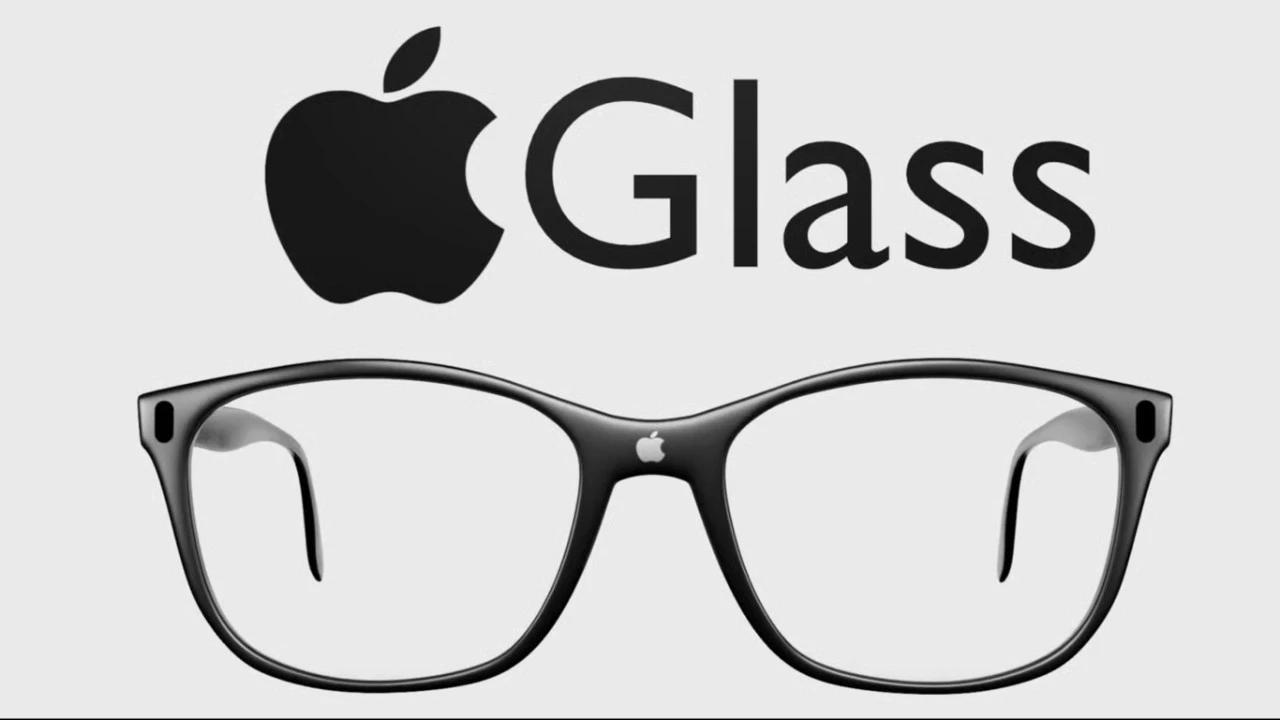
Apple’s highly anticipated entry into the smart glasses market has been pushed back significantly, with industry insiders now reporting that the tech giant’s first wearable eyewear won’t hit shelves until the second half of 2027 at the earliest. The device, internally known as Project N50, represents Apple’s vision for a more accessible and everyday wearable compared to the company’s existing mixed reality headset, the Vision Pro. This delay signals the considerable technical challenges involved in miniaturizing advanced computing technology into a form factor that consumers would actually want to wear in public.
The delay occurs as Apple continues working through the challenging terrain of augmented reality hardware creation. In contrast to the Vision Pro, which launched in early 2024 with a premium $3,499 price tag and sports a heavy ski goggle-inspired design, the N50 smart glasses are meant to closely resemble conventional eyewear in both appearance and comfort. Apple’s engineering teams are reportedly attempting to integrate advanced sensors, displays, and processing power into lightweight frames that won’t attract undue notice or create discomfort during prolonged use. This engineering obstacle has turned out to be considerably harder than originally expected, compelling the company to adjust its development schedule on multiple occasions.
Competitive Landscape
The smart glasses market has seen significant activity from Apple’s competitors in recent years. Meta, in partnership with Ray-Ban, has found considerable success with its Ray-Ban Meta smart glasses, which offer camera functionality, audio playback, and AI-powered features in a stylish frame design. The glasses have exceeded sales expectations and demonstrated that consumers are willing to embrace wearable technology when it doesn’t compromise on aesthetics. Meanwhile, companies like Snap with its Spectacles line and various startups have continued to push the boundaries of what’s possible in this product category, though none have achieved mainstream breakthrough success.
Apple’s approach to the smart glasses market reflects its broader philosophy of entering product categories only when it believes it can deliver a significantly superior experience. The company famously wasn’t first to market with smartphones, tablets, or smartwatches, yet managed to define and dominate each category upon entry. With smart glasses, Apple appears to be taking a similarly patient approach, waiting until the technology matures enough to meet its exacting standards for user experience. Industry analysts suggest that Apple is focusing heavily on developing custom silicon that can deliver powerful performance while consuming minimal battery power, a critical factor for all-day wearability.
Technical Hurdles and Engineering Solutions
The technical hurdles facing Apple’s smart glasses development are substantial and multifaceted. Creating displays small enough to fit within eyeglass lenses while maintaining visual clarity and brightness remains one of the most significant challenges. Additionally, the thermal management required to prevent the glasses from becoming uncomfortably warm during use, combined with the need for sufficient battery life, has pushed Apple’s engineering teams to explore novel solutions. Reports indicate that the company is developing specialized micro-LED displays and has been working on advanced waveguide technology to project images directly into the wearer’s field of vision without the bulk of traditional optical systems.
Strategic Implications and Future Outlook
The delay also has implications for Apple’s broader strategy in the spatial computing market. The Vision Pro, while technologically impressive, has faced criticism for its high price point and limited consumer appeal. Apple had reportedly hoped that smart glasses would serve as a more affordable entry point into its ecosystem of augmented reality products, potentially priced between $1,000 and $2,000. By bringing the technology to a wider audience, the company could build a larger user base for AR applications and services, creating a virtuous cycle of developer interest and consumer adoption similar to what occurred with the iPhone and App Store.
Looking ahead, the extended development timeline gives Apple additional time to refine its artificial intelligence capabilities, which are expected to play a central role in the smart glasses experience. Features like real-time translation, object recognition, and contextual information overlays would require sophisticated on-device AI processing to function seamlessly without constant cloud connectivity. Apple’s recent investments in AI infrastructure and its focus on privacy-preserving machine learning could provide significant advantages in this area. Industry observers will be watching closely as 2027 approaches to see whether Apple can deliver on its promise of smart glasses that combine cutting-edge technology with the elegant design and intuitive usability the company is known for.