
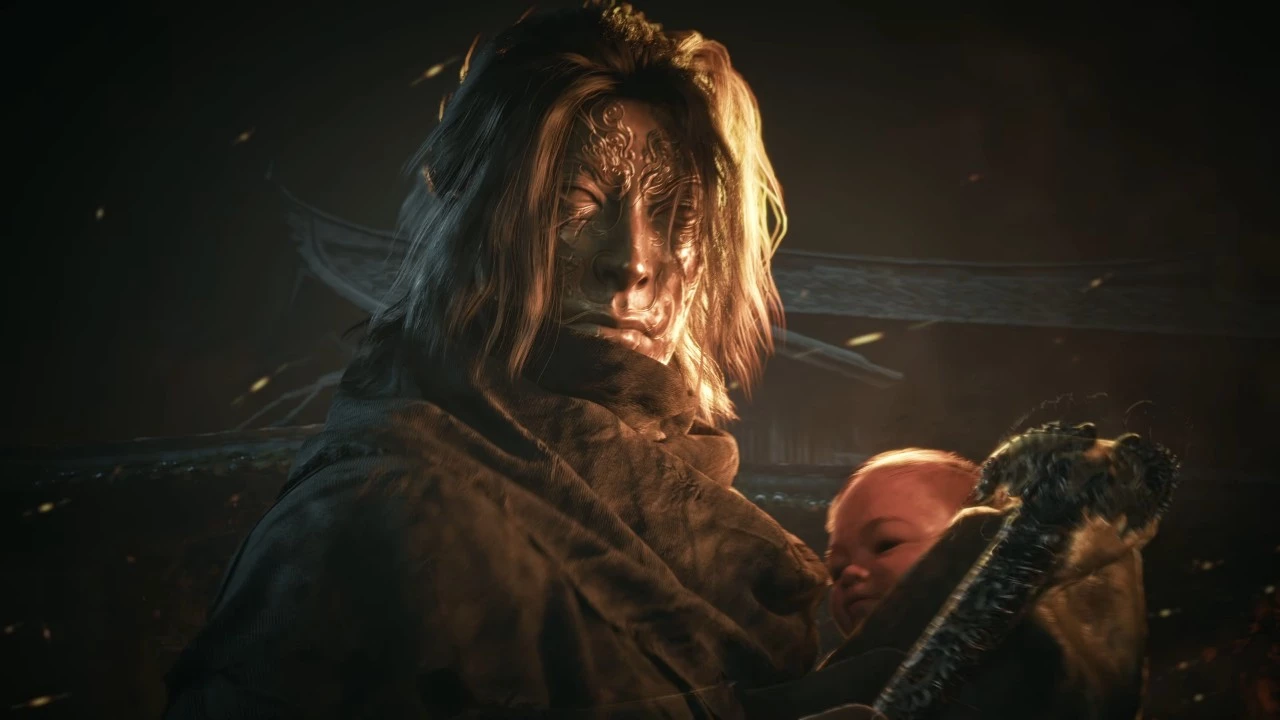
Phantom Blade Zero Release Delayed by 50 Days as Developers Seek Final Polish
S-Game, the Chinese development studio behind the highly anticipated action RPG Phantom Blade Zero, has officially announced a 50-day delay to the game’s release. The decision comes as the team commits to delivering a more polished final product, with particular focus on refining character models and environmental details. This news has sparked mixed reactions among the gaming community, with some fans expressing disappointment while others appreciate the studio’s dedication to quality over rushing to meet deadlines.
New Gameplay Trailer Showcases Stunning Visuals and Combat
The delay announcement was accompanied by a fresh gameplay trailer that showcases the stunning visual fidelity and intense combat mechanics that have made Phantom Blade Zero one of the most anticipated titles in recent memory. The trailer demonstrates the game’s signature “Kungfu-Punk” aesthetic, blending traditional Chinese martial arts with dark fantasy elements in a visually striking world that has drawn comparisons to From Software’s acclaimed Sekiro: Shadows Die Twice. The footage reveals intricate boss battles, fluid weapon-switching mechanics, and the atmospheric environments that players will explore.
Phantom Blade Zero has been generating significant buzz since its initial reveal, positioning itself as a major contender in the action RPG genre. The game follows Soul, a member of an elite assassination organization known as “The Order,” who finds himself betrayed and left for dead. Awakening with mysterious powers and only 66 days to live, players must uncover the truth behind the conspiracy while mastering an intricate combat system that rewards precision and timing. The narrative premise has captivated audiences, combining revenge thriller elements with supernatural intrigue.
Delay Reflects Industry Shift Toward Quality Over Speed
S-Game’s choice to postpone their release mirrors an increasing pattern within the gaming industry as developers choose quality over meeting deadlines. In recent years, many major titles have suffered consequences from shipping in incomplete conditions, resulting in player outrage and tarnished brand images. Games such as Cyberpunk 2077 stand as warning examples, illustrating how pushing a title to market prematurely can lead to years of repair work and eroded consumer confidence. In contrast, studios that have invested extra development time, like CD Projekt Red with their eventual Cyberpunk turnaround or Larian Studios with Baldur’s Gate 3, have demonstrated that patience can produce outstanding outcomes.
The Chinese gaming industry has been experiencing remarkable growth, with studios like S-Game, miHoYo, and Game Science pushing boundaries in production quality and international appeal. Game Science’s Black Myth: Wukong, released in 2024, demonstrated that Chinese developers could compete at the highest levels of AAA game development, achieving both critical acclaim and commercial success. Phantom Blade Zero appears poised to continue this momentum, representing another significant step forward for Chinese game development on the global stage. The game’s presentation and ambition suggest a studio determined to establish itself among industry leaders.
Technical Features and Platform Details
Technical specifications and platform availability remain key considerations for potential players. Phantom Blade Zero is being developed for PlayStation 5 and PC, utilizing cutting-edge technology to deliver its visually impressive combat and detailed environments. The game employs advanced motion capture technology for its martial arts animations, working with actual Wushu practitioners to ensure authentic movement and fighting techniques. This attention to authenticity extends to the game’s art direction, which draws heavily from Chinese mythology, architecture, and historical aesthetics while incorporating fantastical elements.
What the Extra Development Time Means for Players
The additional development time will allow S-Game to address community feedback gathered from various preview events and demonstrations. Industry analysts suggest that the 50-day delay, while frustrating for eager fans, represents a relatively modest adjustment in the context of game development timelines. The studio’s transparency about the reasons for the delay—specifically citing character models and environmental polish—indicates targeted improvements rather than fundamental development issues. As the new release date approaches, fans can expect additional marketing materials and potentially expanded gameplay demonstrations showcasing the refinements that justified this postponement.