
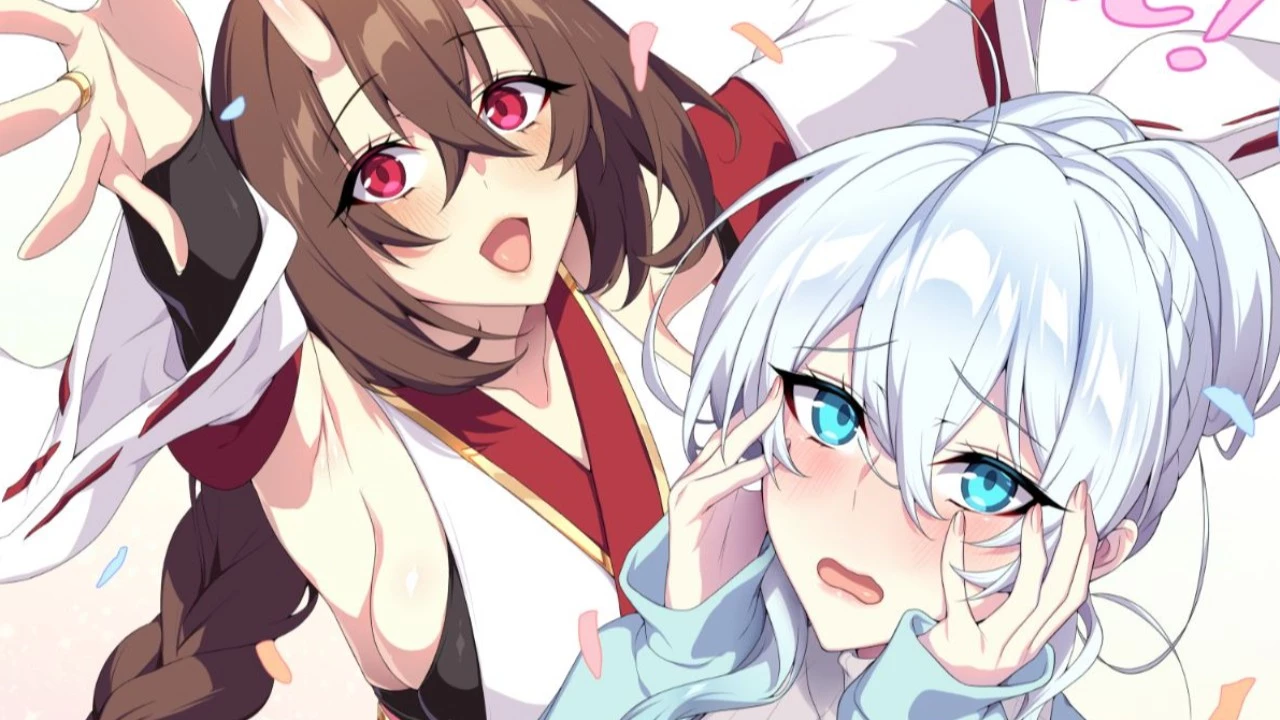
First-Ever Anime Series Adapted from Adult Doujinshi Announced, Surprising Even the Original Creator
In a groundbreaking announcement that has sent ripples through the anime community, it was revealed on May 29th that the adult doujinshi “The Lonely Snow Woman and the Cursed Ring” (Hitozukiai ga Nigate na Miboujin no Yukionna-san to Noroi no Yubiwa) will receive a television anime adaptation. This marks an unprecedented milestone in the anime industry, as it represents the first time an 18+ doujinshi work has been officially adapted into a broadcast anime series. Perhaps most surprisingly, even the original creator of the work expressed astonishment at this unexpected development.
The announcement has generated significant buzz within otaku circles and the broader entertainment industry, as it signals a potential shift in how anime studios approach source material selection. Doujinshi, which are self-published works typically sold at conventions like Comiket in Japan, have long existed in a gray area of the publishing world. While some doujinshi creators have gone on to achieve mainstream success, the path from adult self-published works to broadcast television has been virtually nonexistent until now. The fact that a production committee was willing to take this creative and commercial risk represents a notable evolution in industry practices.
The Story’s Folklore Roots and Premise
The narrative focuses on a snow woman (yuki-onna), a supernatural entity with deep roots in Japanese folklore. Within traditional Japanese mythology, yuki-onna are ghostly female figures connected to blizzards and the winter season, typically portrayed as beautiful yet perilous spirits capable of freezing travelers to death. Nevertheless, contemporary manga and anime interpretations have often reimagined these beings as more sympathetic figures, and this work seems to embrace that modern approach. The main character is depicted as a widowed snow woman who has difficulty with social situations, bringing emotional depth to the supernatural concept. The “cursed ring” aspect mentioned in the title implies a romantic or binding element that propels the story forward.
Doujinshi as a Creative Incubator
The doujinshi scene in Japan has served as an important incubator for creative talent for decades. Many celebrated manga artists and writers began their careers producing doujinshi, using the medium as a testing ground for ideas and a way to build an audience. Famous examples include the creative group CLAMP, who started as doujinshi creators before becoming one of the most influential manga collectives in history. However, the transition from adult-oriented doujinshi to mainstream anime represents uncharted territory that challenges conventional industry wisdom about content adaptation and audience expectations.
Shifting Industry Attitudes
Experts in the industry believe this adaptation may signal shifting perspectives within anime production circles. As streaming services seek out content and viewers grow more receptive to varied storytelling methods, studios are investigating source materials that would have been deemed inappropriate for adaptation merely a few years back. The achievements of numerous anime series that challenge conventions regarding content and subject matter have proven that a market exists for more mature and unconventional stories. This movement has gained momentum through the worldwide growth of anime audiences, which has exposed the medium to viewers with differing expectations and sensitivities.
Creator’s Reaction and Adaptation Challenges
The original creator’s surprised reaction to the adaptation announcement highlights the unexpected nature of this development. For many doujinshi artists, creating adult-oriented works is often seen as a form of creative expression separate from mainstream commercial ambitions. The prospect of having such personal work adapted for television broadcast would naturally come as a shock, raising questions about how the content will be modified or presented for a broader audience. It remains to be seen whether the anime adaptation will maintain the adult elements of the original or whether significant changes will be made to accommodate broadcast standards and reach a wider demographic.
Looking Ahead: Industry Implications
As details about the production continue to emerge, fans and industry observers alike are watching closely to see how this pioneering project develops. The studio handling the adaptation, the voice cast, and the approach to the source material’s more mature elements will all be crucial factors in determining the success of this venture. If the adaptation proves successful, it could open doors for other doujinshi works to receive similar treatment, fundamentally changing the relationship between independent creators and the mainstream anime industry. This announcement may well be remembered as a watershed moment in anime history, marking the beginning of a new era where the boundaries between self-published works and broadcast entertainment become increasingly fluid.