

007 First Light Benchmarks Reveal AMD Graphics Cards Excel, Yet Developers Chose NVIDIA Partnership
The gaming community has been eagerly anticipating the release of 007 First Light, the latest installment in the legendary James Bond video game franchise. Now, the first comprehensive performance benchmarks have emerged online, revealing a fascinating paradox: while the game’s engine demonstrates exceptional optimization for AMD Radeon graphics cards, the developers have apparently formed an exclusive partnership with NVIDIA, leaving AMD users in an ironic situation where their hardware excels but receives no official support or optimization features.
AMD’s Surprising Performance Advantage
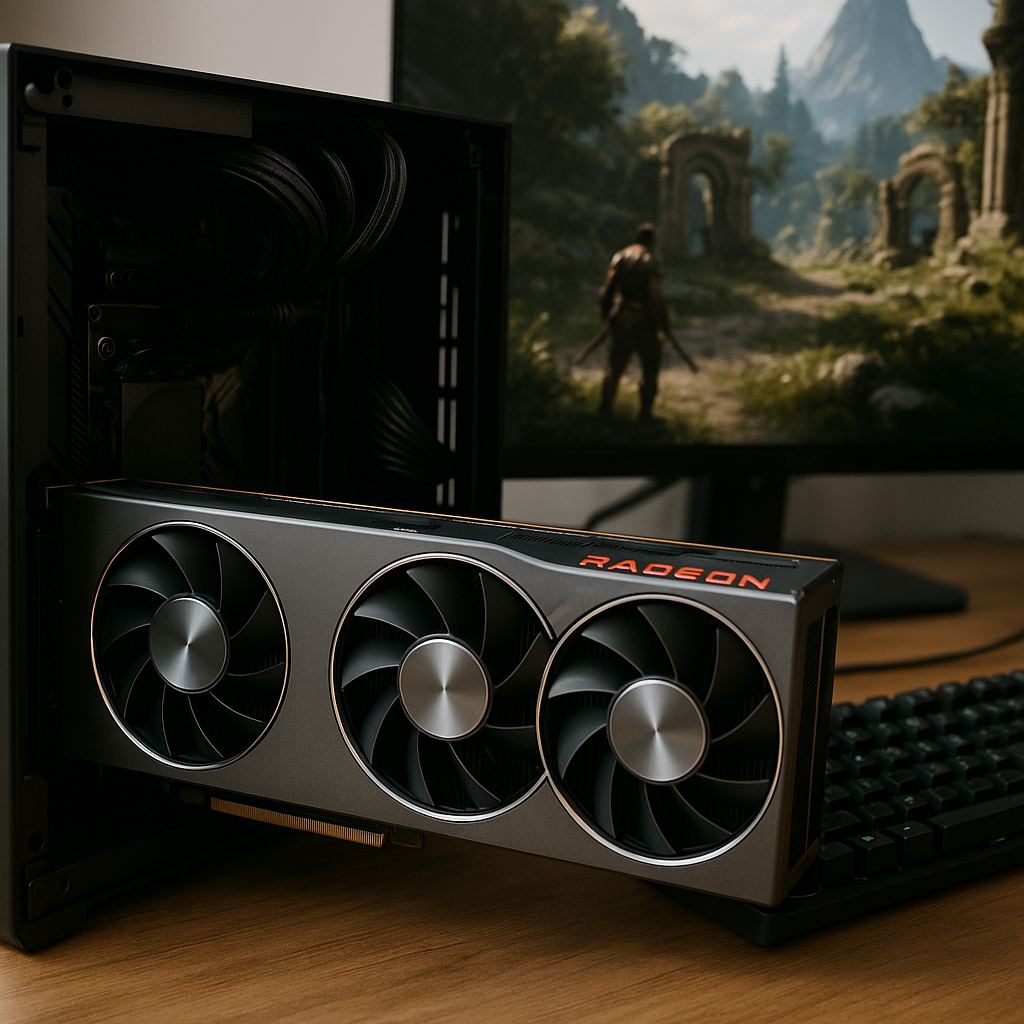
Initial testing conducted by various tech outlets and independent reviewers shows that AMD’s RDNA 3 architecture performs remarkably well in 007 First Light, often matching or exceeding NVIDIA’s offerings at similar price points. The Radeon RX 7900 XTX, AMD’s flagship consumer graphics card, delivered frame rates that surprised many analysts, particularly in ray-tracing scenarios where NVIDIA traditionally dominates. This performance advantage appears to stem from the game engine’s efficient utilization of AMD’s hardware architecture, suggesting that the underlying technology naturally favors the red team’s approach to graphics processing.
The James Bond video game series boasts a rich legacy that traces back to the legendary GoldenEye 007 on the Nintendo 64, which transformed console first-person shooters in 1997. Since that time, many Bond games have launched with mixed results, yet none have recaptured the enchantment of that original release quite as successfully. 007 First Light marks IO Interactive’s bold effort to breathe new life into the franchise, drawing on their expertise from the highly praised Hitman trilogy. The Danish developer secured the Bond license in 2020 and has been working on this project with considerable resources and creative independence.
NVIDIA Partnership and Proprietary Technologies
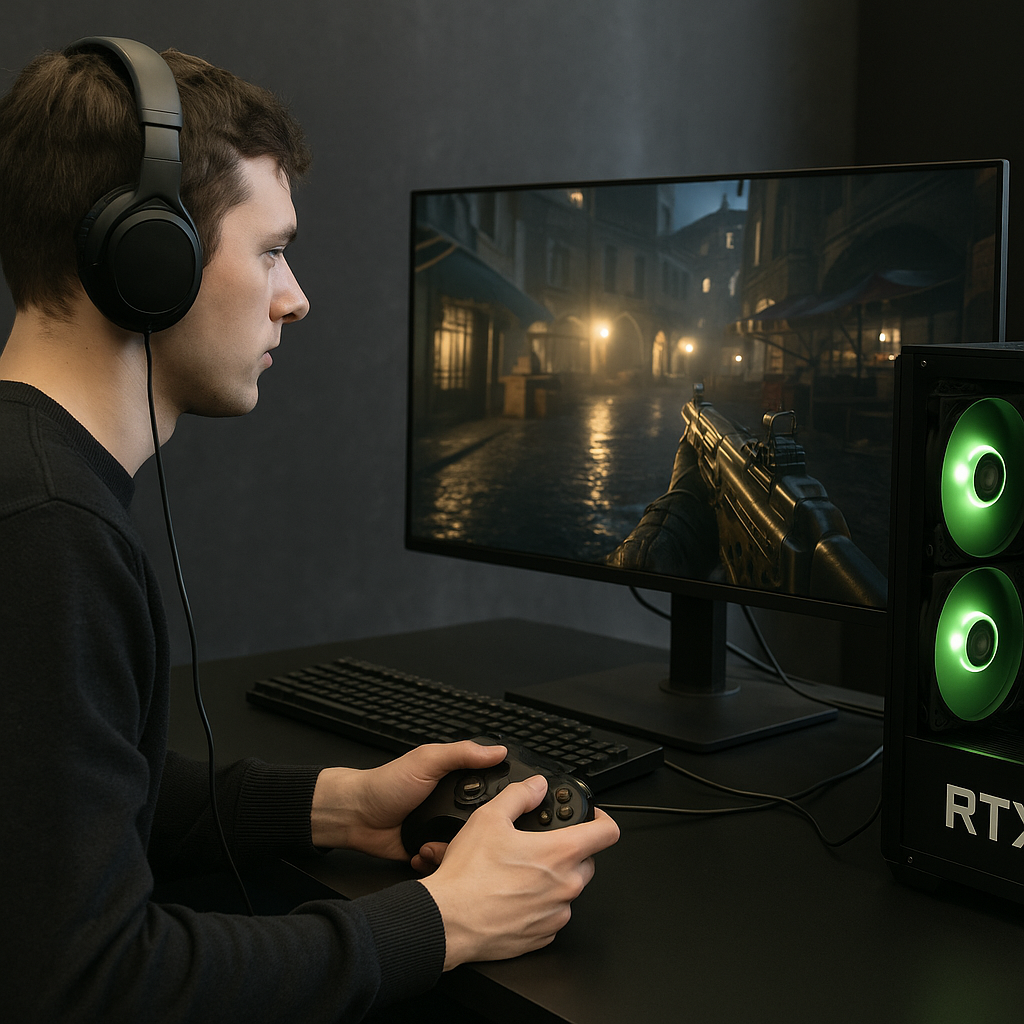
Despite the engine’s apparent affinity for AMD hardware, the developers have chosen to integrate NVIDIA’s proprietary technologies extensively throughout the game. This includes DLSS 3 frame generation, NVIDIA Reflex for reduced input latency, and enhanced ray-tracing features optimized specifically for RTX graphics cards. The decision mirrors a broader industry trend where major publishers align with NVIDIA’s GameWorks program, which provides technical support and marketing assistance in exchange for platform-specific optimizations. This partnership often leaves AMD users without access to equivalent features, even when their hardware is technically capable of delivering similar results.
Why Developers Choose NVIDIA
Industry analysts suggest this developer-publisher relationship with NVIDIA stems from several factors beyond pure technical considerations. NVIDIA’s dominant market share in the discrete GPU segment, estimated at approximately 80% of the gaming market, makes their partnership programs financially attractive for studios seeking maximum exposure. Additionally, NVIDIA’s robust developer relations team provides hands-on optimization assistance that AMD has historically struggled to match, despite recent improvements in their FSR (FidelityFX Super Resolution) technology and driver support infrastructure.
Community Response and Benchmark Analysis
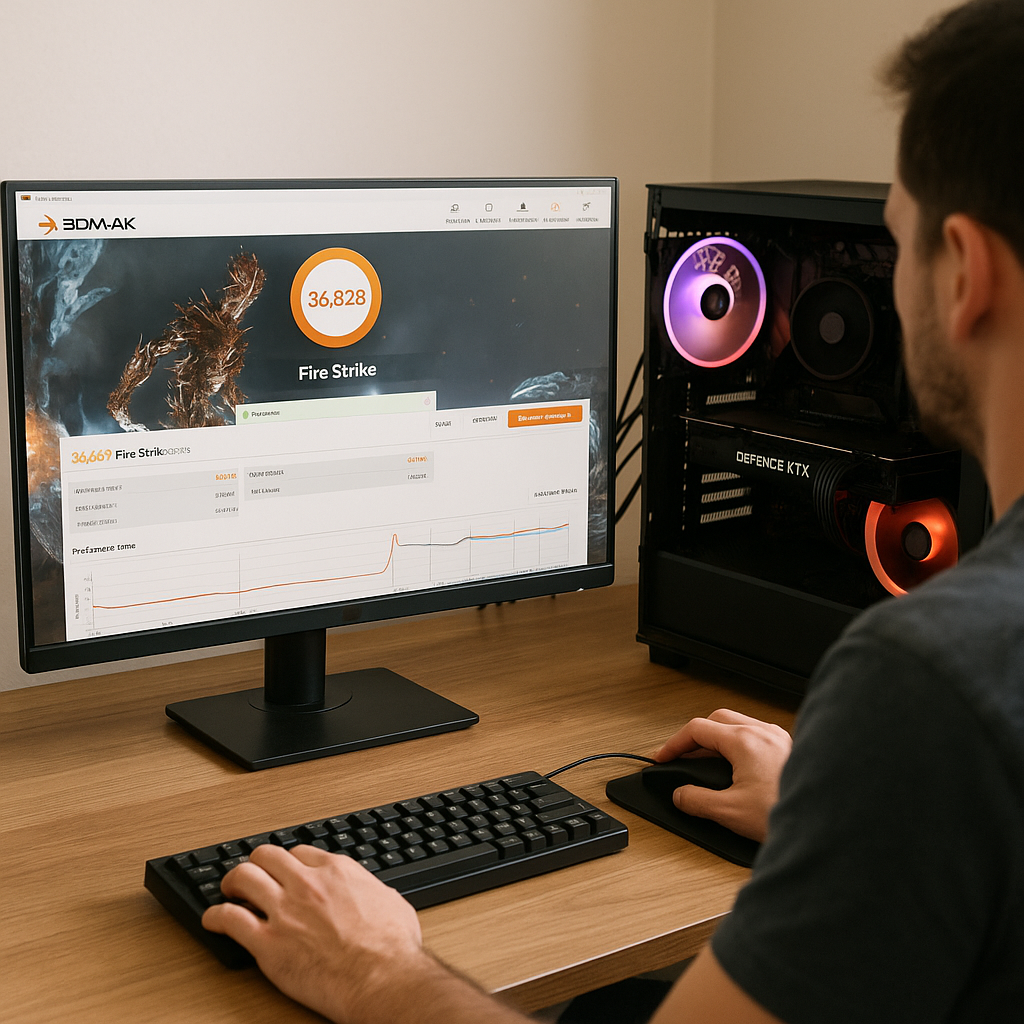
The benchmark results have sparked considerable debate within the PC gaming community. AMD enthusiasts point to the raw performance numbers as evidence that their hardware choice remains competitive, while NVIDIA supporters highlight the additional features and optimizations exclusive to GeForce cards. Testing across various resolution targets showed that at 4K with ray-tracing enabled, the performance gap between comparable AMD and NVIDIA cards was minimal, with AMD cards occasionally pulling ahead by 5-10% in average frame rates. However, NVIDIA’s DLSS 3 frame generation technology provided significant advantages in perceived smoothness, effectively doubling frame rates in supported titles.
Broader Industry Implications
Looking at the broader implications, this situation reflects an ongoing tension in the PC gaming ecosystem between hardware capabilities and software optimization priorities. AMD has made substantial investments in their open-source FSR technology, which recently reached version 3.0 with frame generation capabilities similar to DLSS. However, developer adoption remains inconsistent, with many studios prioritizing NVIDIA’s solutions due to established relationships and integration support. The gaming community continues to advocate for greater platform-agnostic development practices, arguing that consumers should benefit from optimizations regardless of their hardware manufacturer choice.
As 007 First Light prepares for its official release, players on both AMD and NVIDIA platforms will ultimately benefit from what appears to be a technically impressive title. The benchmark revelations serve as a reminder that raw hardware performance and supported software features don’t always align, and that the competitive landscape between GPU manufacturers extends far beyond silicon specifications into the complex world of developer partnerships and business strategies. For AMD users, the silver lining remains clear: their graphics cards can handle 007 First Light admirably, even without the official red carpet treatment from the developers.