
Blizzard Overhauls WoW Classic Interface and Prepares to Give Players More Customization Freedom
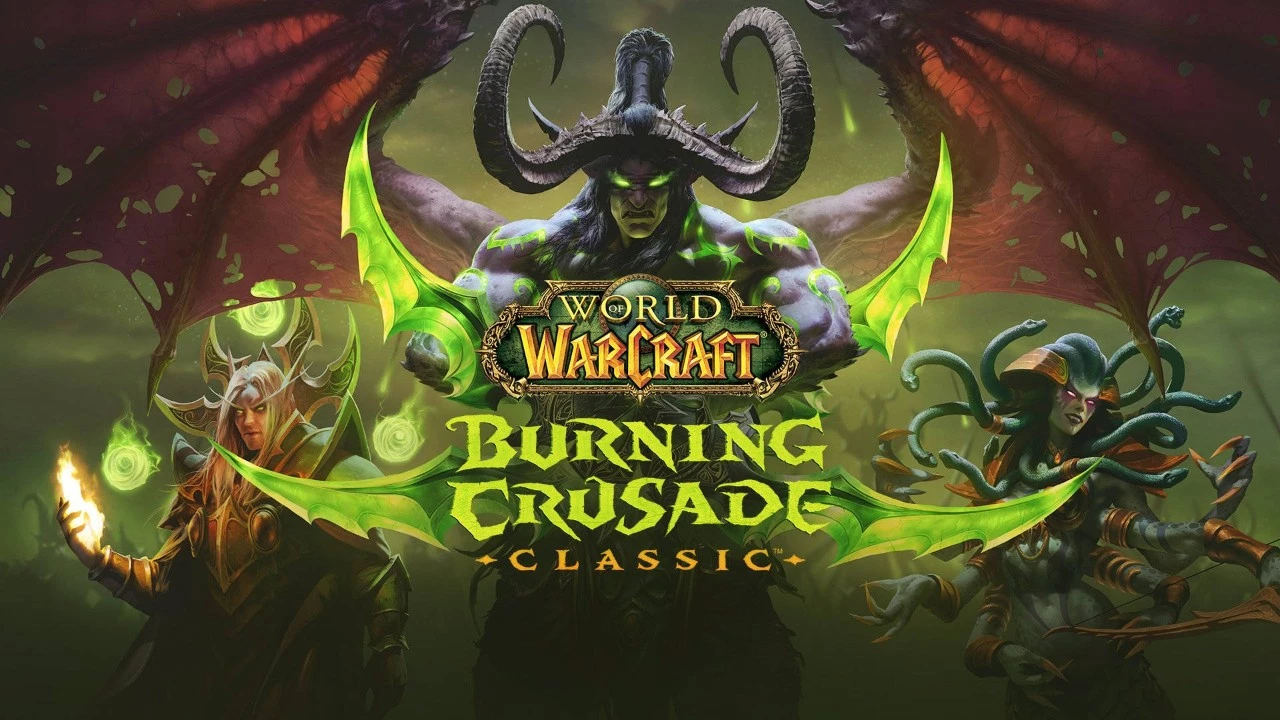
Blizzard Entertainment has announced significant changes to the user interface of its classic World of Warcraft versions, marking one of the most substantial quality-of-life improvements for the nostalgic gaming community in recent memory. The update brings modern conveniences to the beloved retro experience while carefully maintaining the authentic feel that drew millions of players back to Azeroth’s earlier days. For The Burning Crusade Classic servers, patch 2.5.6 has already been deployed, while WoW Classic players can expect identical improvements to arrive with patch 1.15.9 during the week of July 20th.
The interface overhaul represents Blizzard’s ongoing commitment to balancing preservation of the classic experience with contemporary usability standards. Players have long requested more flexibility in how they interact with the game’s menus, action bars, and information displays. This update addresses many of those concerns by introducing customization options that were previously only available through third-party addons, potentially reducing the reliance on external modifications that some players found cumbersome to maintain.
A Brief History of WoW Classic and Its Evolution
World of Warcraft Classic launched in August 2019 after years of player demand for official servers running the original 2004-2006 version of the game. The “You think you do, but you don’t” comment from a Blizzard executive at BlizzCon 2013, dismissing requests for legacy servers, became infamous as private servers running old versions of WoW attracted hundreds of thousands of players. Blizzard eventually reversed course, and WoW Classic became one of the company’s most successful launches, with queue times stretching into hours on opening day.
The Burning Crusade Classic followed in June 2021, recreating the first expansion that originally launched in January 2007. This expansion introduced beloved features like flying mounts, the Blood Elf and Draenei races, and the shattered realm of Outland. The classic versions have maintained dedicated player bases who prefer the slower progression, stronger community bonds, and more challenging gameplay that characterized early World of Warcraft before numerous quality-of-life changes transformed the retail version into a more accessible but arguably less social experience.
What the Interface Changes Mean for Players
The new interface updates are expected to include improvements to unit frames, action bar customization, and general menu navigation. While Blizzard has not released exhaustive patch notes at the time of this announcement, community speculation suggests the changes will align with some of the Edit Mode features introduced in the retail Dragonflight expansion. This system allows players to drag, resize, and reposition nearly every element of the user interface without requiring addon knowledge or Lua scripting expertise.
Industry analysts note that these updates reflect a broader trend in the MMORPG genre toward greater player agency in interface design. Games like Final Fantasy XIV and Elder Scrolls Online have long offered extensive UI customization as standard features, and Blizzard’s move brings WoW Classic more in line with contemporary expectations. The timing is particularly notable as the classic community continues to thrive despite being built on nearly two-decade-old game design principles, proving that strong fundamentals can transcend graphical and mechanical aging when properly supported.
The Future of Classic World of Warcraft
Looking ahead, Blizzard’s investment in Classic infrastructure suggests continued long-term support for these alternative versions of their flagship MMORPG. The company has already announced Season of Discovery, an experimental Classic variant featuring new abilities and content, indicating willingness to innovate within the classic framework. These interface improvements lay groundwork for whatever comes next, ensuring that both purists seeking the authentic 2004 experience and players wanting modern conveniences can find their preferred balance within the Classic ecosystem.
Expert Opinion: This interface update signals Blizzard’s recognition that WoW Classic has evolved beyond a mere nostalgia trip into a permanent pillar of their service offering. By investing in modernization while respecting the core experience, Blizzard is positioning Classic to compete for the long term against both private server alternatives and rival MMORPGs. Expect continued iterative improvements that gradually close the quality-of-life gap with retail WoW without compromising the challenging, community-focused gameplay that defines the classic experience.