
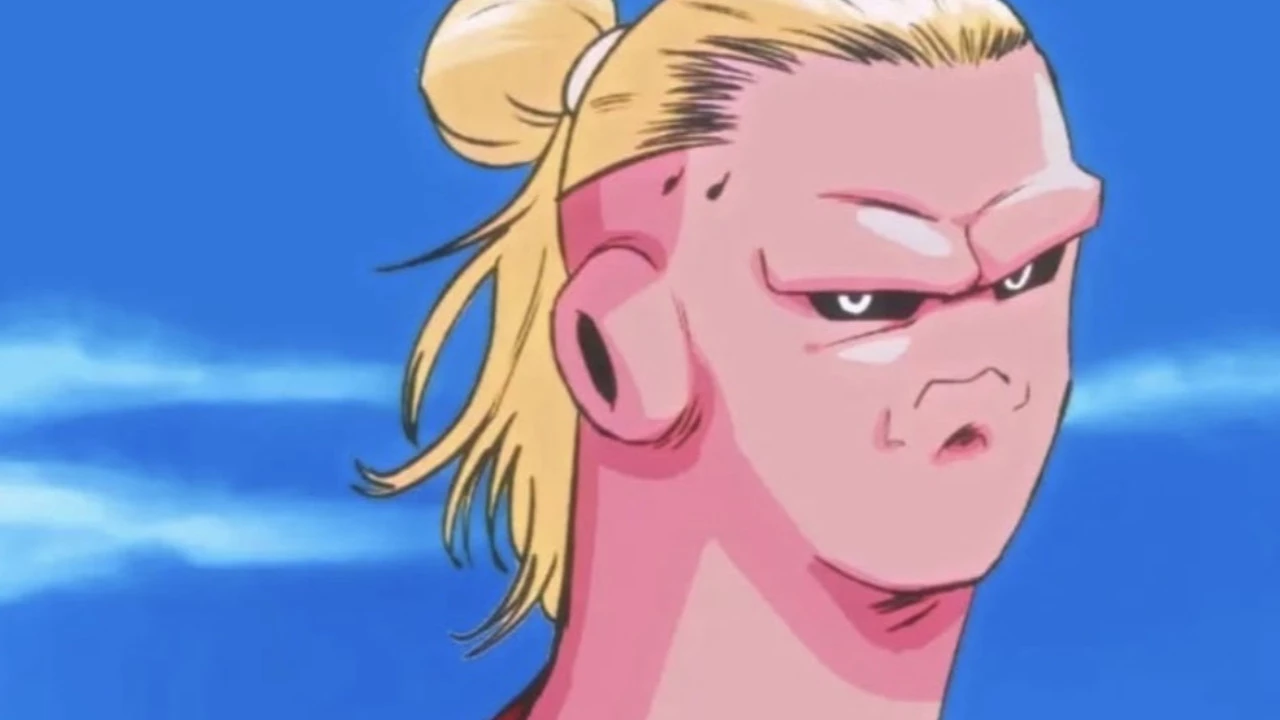
Erling Haaland Goes Viral: Football Star’s Uncanny Resemblance to Dragon Ball Z Villain Majin Buu Takes Internet by Storm
Norwegian football sensation Erling Haaland has become the unexpected star of World Cup 2026 memes, but not for his goal-scoring prowess this time. Eagle-eyed fans across social media platforms have drawn striking parallels between the Manchester City striker and Majin Buu, one of the most iconic antagonists from the beloved anime series Dragon Ball Z. The comparison has sparked a viral sensation, with supporters noting remarkable similarities in their powerful builds, intense gazes, and even their on-field demeanor.
The internet phenomenon began circulating during the early stages of the 2026 FIFA World Cup qualifiers and has since exploded across Twitter, Instagram, and TikTok. Fans have been creating side-by-side comparisons, elaborate memes, and even AI-generated images merging Haaland’s features with the pink-skinned villain. The comparison has transcended football communities, reaching anime enthusiasts and casual observers alike, making it one of the most shared sports-related memes of the tournament.
The Dragon Ball Z Connection Explained
For those unfamiliar with the source material, Majin Buu is a powerful antagonist who first appeared in the Dragon Ball Z anime series during the Buu Saga, which aired in Japan from 1994 to 1995. Created by legendary manga artist Akira Toriyama, Majin Buu is characterized by his immense physical strength, unpredictable nature, and intimidating presence. The character exists in multiple forms, ranging from childlike and playful to menacingly destructive, but all versions share an overwhelming power that makes opponents tremble.
The visual parallels between Haaland and the anime character are undeniably amusing. Both possess imposing physical frames that dwarf those around them, with Haaland standing at an impressive 6 feet 4 inches tall and weighing approximately 194 pounds of pure athletic muscle. Their intense, sometimes unsettling stares have become signature characteristics, with Haaland’s pre-match focus and goal celebrations often featuring expressions that fans describe as otherworldly. The footballer’s raw power and seemingly unstoppable nature on the pitch mirror Majin Buu’s destructive capabilities in the anime universe.
Haaland’s Rise to Global Superstardom
Erling Braut Haaland’s journey to becoming one of football’s most recognizable figures is a remarkable story of talent and determination. Born on July 21, 2000, in Leeds, England, while his father Alf-Inge Haaland played for the local club, young Erling was destined for football greatness. He developed his skills through Norwegian youth academies before breakthrough performances at Red Bull Salzburg and Borussia Dortmund catapulted him onto the world stage. His transfer to Manchester City in 2022 for approximately £51 million proved to be one of the most successful signings in Premier League history.
The Norwegian striker has shattered numerous records since arriving in England, including becoming the fastest player to reach 50 Premier League goals and breaking the single-season scoring record with 36 goals in his debut campaign. His unique combination of speed, strength, and clinical finishing has drawn comparisons to legendary strikers throughout football history. However, the Majin Buu comparison represents something different entirely – a cultural crossover that highlights how modern athletes transcend their sports to become pop culture icons.
The Intersection of Sports and Anime Culture
The Haaland-Majin Buu phenomenon reflects a broader trend of anime and sports culture intersecting in meaningful ways. Professional athletes increasingly reference anime in their celebrations, interviews, and social media presence. NBA players like Zion Williamson and LeBron James have openly discussed their love for anime, while footballers across Europe have performed Dragon Ball-inspired celebrations on the pitch. This cultural fusion appeals to younger generations of fans who grew up consuming both sports content and Japanese animation.
Social media analysts note that such crossover moments generate unprecedented engagement levels, with the Haaland memes accumulating millions of views within days of their initial posting. The viral nature of these comparisons demonstrates how digital platforms have transformed athletes into multidimensional entertainment figures whose influence extends far beyond their respective sports. For sponsors and marketing teams, these organic viral moments prove more valuable than traditional advertising campaigns.
What This Means for World Cup 2026
As the 2026 FIFA World Cup approaches, hosted jointly by the United States, Canada, and Mexico, Haaland’s viral moment adds another layer of entertainment to an already highly anticipated tournament. Norway faces a challenging qualification path, but the attention surrounding their star striker ensures that global audiences will follow their journey closely. Whether Haaland embraces the Majin Buu comparison or addresses it publicly remains to be seen, though the footballer has previously shown a good sense of humor regarding his intimidating on-field persona.
The phenomenon also highlights how football’s global reach continues to expand through unexpected cultural connections. Fans from Japan, where Dragon Ball Z originated, have particularly embraced the comparison, creating a unique bridge between Norwegian football and Japanese pop culture. As the tournament draws nearer, expect more creative content featuring Haaland and his anime doppelganger, cementing this unlikely pairing as one of the most memorable memes in World Cup history.
Expert Opinion: This viral phenomenon demonstrates the evolving nature of sports fandom in the digital age, where athletes are no longer just athletes but cultural symbols subject to creative reinterpretation by global audiences. The Haaland-Majin Buu comparison will likely boost both the player’s marketability and engagement with younger demographics, potentially opening doors for unique sponsorship opportunities that bridge sports and entertainment industries. Expect more athletes to actively cultivate such crossover appeal as social media continues to reshape how we consume and discuss sports.