
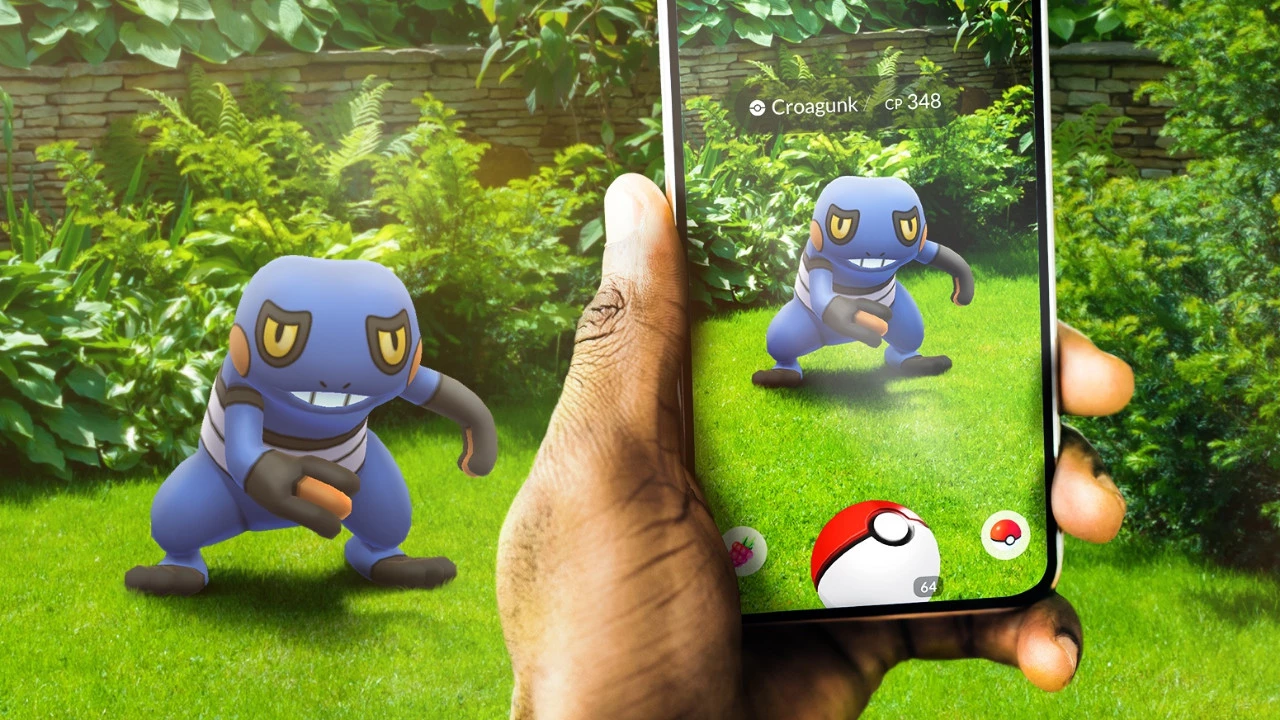
Hidden Feature Discovered: Pokémon GO Secretly Testing Built-In Alternative to GO Plus Device
Pokémon GO players have stumbled upon a significant hidden feature that could fundamentally change how trainers interact with the popular augmented reality game. Sharp-eyed users have discovered a mysterious new item appearing in their inventories called the “Explorer Gadget,” a device that Niantic, the game’s developer, has yet to officially announce or acknowledge. This discovery has sparked intense speculation within the global Pokémon GO community about whether the company is preparing to offer a software-based alternative to its popular line of physical companion accessories.
How the Explorer Gadget Compares to Physical Accessories
The Explorer Gadget appears to function similarly to the Pokémon GO Plus and its successors, devices that have been essential tools for dedicated players since the game’s explosive launch in 2016. These physical accessories, which include the original GO Plus, the Poké Ball Plus, and the more recent GO Plus+ released in 2023, allow players to catch Pokémon and spin PokéStops with the press of a button without needing to look at their phone screens. The devices have been particularly valuable for players who want to accumulate items and capture creatures while walking, driving, or engaging in other activities where constant phone interaction would be impractical or unsafe.
The possible launch of an integrated digital option marks a significant change in Niantic’s approach to monetization. The physical GO Plus devices generally sell for between $35 and $55, producing substantial accessory income for the company. Should the Explorer Gadget become a permanent complimentary feature or even an in-game purchase at a reduced price, it could greatly expand access for casual players who have hesitated to spend money on extra hardware. Industry analysts have long observed that the need for separate accessories established a two-tier experience in Pokémon GO, where dedicated players benefited from considerable advantages in resource collection and Pokémon capture rates.
Niantic’s History of Quiet Feature Testing
Niantic has a history of quietly testing new features with small groups of players before wider rollouts, a practice common in the mobile gaming industry known as A/B testing or soft launching. This approach allows developers to gather real-world usage data, identify bugs, and gauge player reception before committing to a full release. Previous features like the remote raid pass system, daily adventure incense, and various quality-of-life improvements all went through similar testing phases before becoming permanent additions to the game. The company typically remains silent about these tests until they’re ready for official announcement, which explains the lack of any formal communication about the Explorer Gadget.
Why This Feature Matters Now
The timing of this discovery is particularly interesting given the current state of the mobile gaming market and Pokémon GO’s position within it. After reaching unprecedented heights during the pandemic years when outdoor walking games provided a safe social activity, the game has faced challenges maintaining its player base. Niantic has responded with various initiatives to retain and attract players, including simplified catching mechanics, enhanced social features, and regular community events. An integrated automation tool could serve as another retention mechanism, reducing the friction that causes some players to abandon the game during periods of low engagement.
A Long-Requested Community Feature
Historical context reveals that companion device functionality has been a contentious topic in the Pokémon GO community since launch. Third-party devices and modified applications that automated catching and spinning were prevalent in the game’s early years, leading to ongoing battles between Niantic’s security team and developers of unauthorized tools. Many players argued that the functionality should be built into the game itself rather than requiring expensive official hardware or risking account bans for using unofficial alternatives. The Explorer Gadget could represent Niantic finally addressing these long-standing community requests through official channels.
What We Know So Far
Currently, the Explorer Gadget is still in restricted testing without a confirmed schedule for wider release. Players with access to the feature indicate that it operates seamlessly, automatically trying to capture nearby Pokémon and gathering items from PokéStops similar to the physical devices. Nevertheless, specifics regarding any restrictions, potential pricing, or prerequisites for activating the feature remain unknown. The Pokémon GO community keeps tracking data mining activities and official Niantic announcements for any further details about when this eagerly awaited feature might become accessible to all trainers globally.