
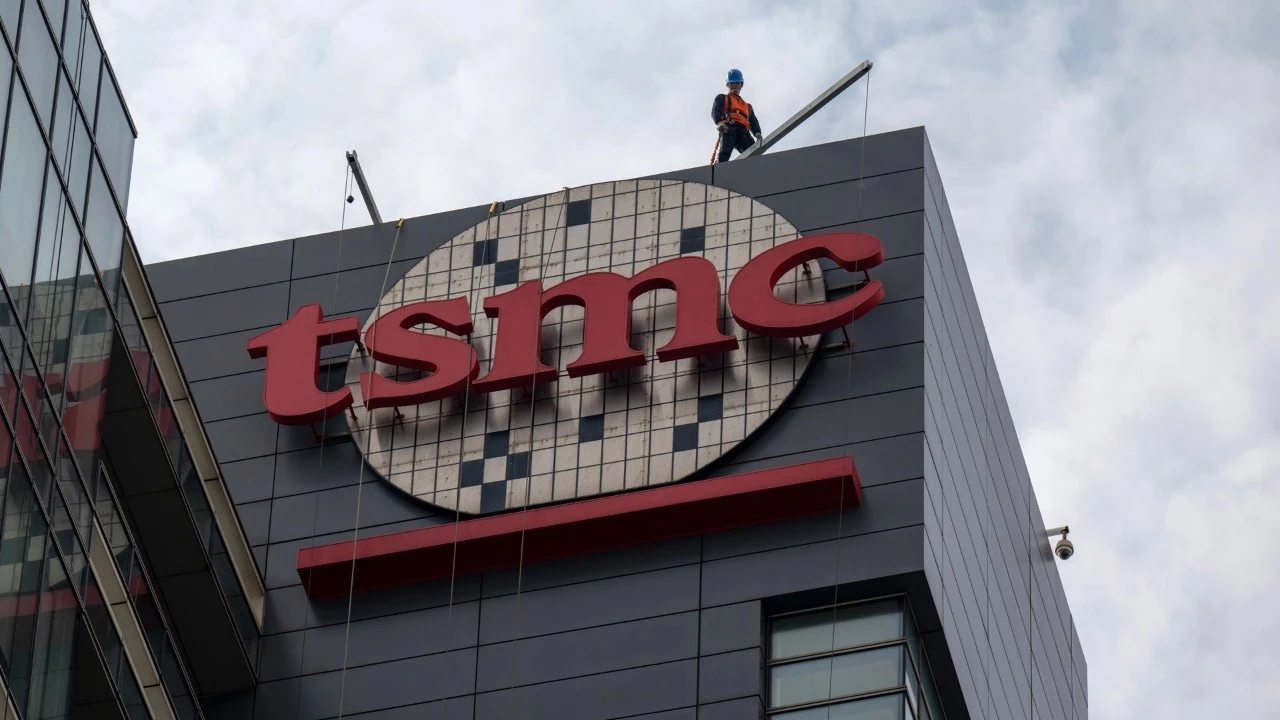
TSMC Hints at Chip Price Increases — PC Costs May Continue Rising
Against the backdrop of already noticeable increases in computer component prices, the topic of future costs has resurfaced once again. In a recent interview with BBC, a representative from Taiwan Semiconductor Manufacturing Company (TSMC) indicated that while no dramatic price spikes are planned, gradual increases in the company’s services remain highly probable. This statement has sent ripples through the global technology industry, as TSMC’s pricing decisions affect virtually every electronic device on the planet.
TSMC’s Dominant Market Position
TSMC stands as the world’s largest contract chipmaker, commanding an estimated 60% of the global semiconductor foundry market. The company manufactures processors for technology giants including Apple, NVIDIA, AMD, and Qualcomm. When TSMC adjusts its pricing structure, the effects cascade throughout the entire electronics supply chain, ultimately reaching consumers in the form of higher prices for smartphones, laptops, gaming consoles, and countless other devices. The company’s advanced manufacturing processes, particularly its cutting-edge 3-nanometer and upcoming 2-nanometer technologies, represent billions of dollars in research and development investments that must eventually be recouped.
Current Market Challenges and Component Prices
The potential price increases come at a particularly challenging time for the global technology market. Over the past several years, consumers have already witnessed significant price escalations across virtually all computer components. Graphics cards, which saw astronomical price increases during the cryptocurrency mining boom and subsequent chip shortage of 2020-2022, have only partially normalized. Memory modules, solid-state drives, and processors have all experienced varying degrees of price inflation due to supply chain disruptions, increased manufacturing costs, and growing demand for advanced computing capabilities driven by artificial intelligence applications.
Factors Driving TSMC’s Pricing Adjustments
Industry analysts highlight multiple factors behind TSMC’s possible price modifications. The company has launched an unparalleled worldwide expansion initiative, building new fabrication plants in the United States, Japan, and Germany. The Arizona facility by itself represents an investment surpassing $40 billion, while operations at these new sites encounter considerably higher labor and operational expenses compared to Taiwan. Furthermore, the growing complexity of advanced chip production demands exponentially costlier equipment, with state-of-the-art extreme ultraviolet (EUV) lithography machines from ASML priced at more than $200 million each.
Geopolitical Influences on the Semiconductor Industry
Geopolitical tensions have likewise been instrumental in defining the semiconductor industry’s direction. The persistent trade conflicts between the United States and China, along with worries regarding Taiwan’s security circumstances, have led governments around the world to seek semiconductor independence. The U.S. CHIPS Act, which allocates $52 billion in subsidies for domestic chip production, and comparable programs in Europe and Asia demonstrate this strategic objective. Nevertheless, these reshoring initiatives carry significant costs that will unavoidably affect chip pricing throughout the industry.
What This Means for Consumers
For consumers, the implications are clear but not necessarily dire. While budget-conscious buyers may need to adjust their expectations, the gradual nature of any price increases should allow for market adaptation. PC manufacturers and other electronics companies may absorb some costs to remain competitive, potentially accepting lower profit margins rather than passing all increases to end users. Furthermore, technological improvements continue to deliver better performance per dollar over time, partially offsetting nominal price increases.
The Future of Semiconductor Pricing
Moving forward, industry specialists indicate that the semiconductor market is transitioning into a new phase defined by elevated baseline costs alongside extraordinary capabilities. The rapid expansion of artificial intelligence, autonomous vehicles, and Internet of Things devices continues to fuel unrelenting demand for sophisticated chips. TSMC’s measured approach to pricing — steering clear of abrupt increases while sustaining profitability — demonstrates the company’s recognition of its vital role in the global technology ecosystem. As society’s digital transformation gains momentum, the semiconductor industry’s pricing choices will continue to be a pivotal factor affecting the accessibility and uptake of emerging technologies globally.