
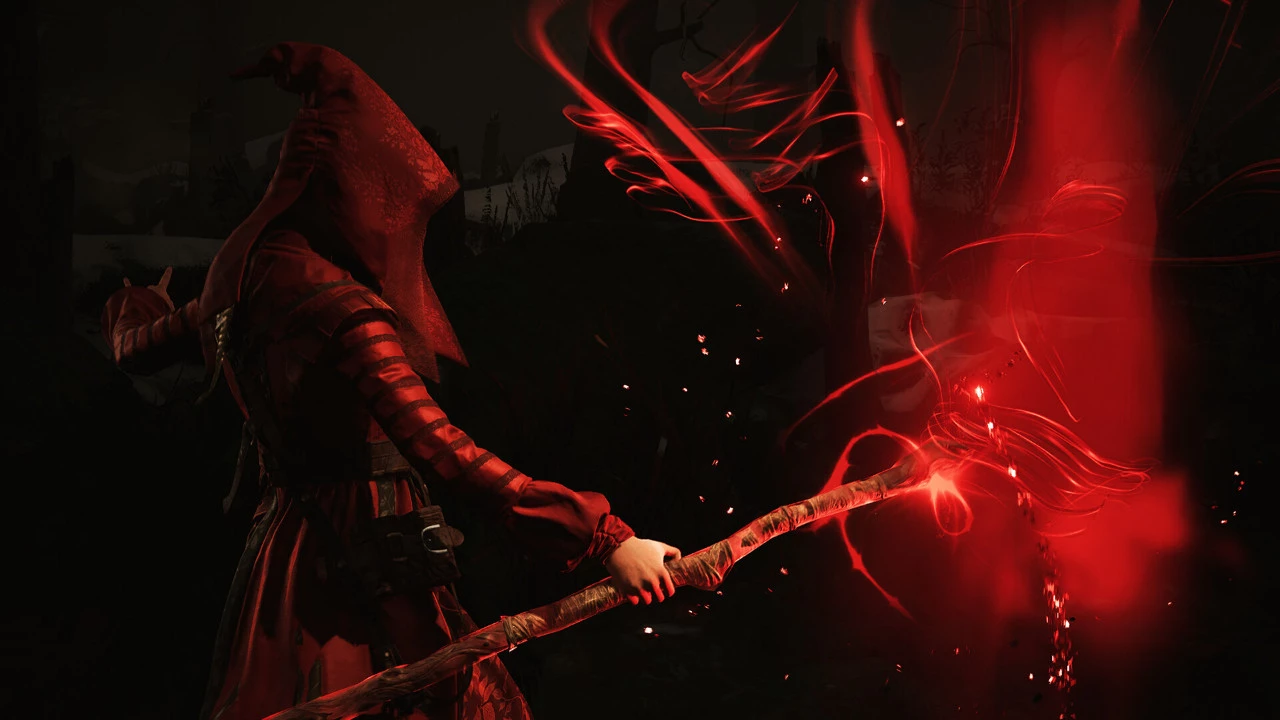
Accidental Error: Patrice Désilets Promises to Remove AI-Generated Content from 1666: Amsterdam Demo
Panache Digital Games, the studio led by veteran game designer Patrice Désilets, has issued an official apology following the discovery of AI-generated content in the demo version of their upcoming action game 1666: Amsterdam. The incident sparked immediate backlash from the gaming community, which has become increasingly vigilant about the use of artificial intelligence in creative industries. Désilets, widely celebrated as the creative mind behind the original Assassin’s Creed franchise, personally addressed the controversy and promised swift corrective action.
Studio Response and Commitment to Correction
According to statements from the studio, the inclusion of AI-generated material was entirely unintentional and resulted from an oversight during the demo’s development process. The team has committed to removing all neural network-produced content from the prologue demonstration and ensuring that future releases maintain the studio’s commitment to human-crafted artistry. This response reflects the growing pressure on game developers to be transparent about their use of AI tools in an industry where authenticity and artistic integrity remain highly valued by consumers.
The Troubled History of 1666: Amsterdam
The controversy surrounding 1666: Amsterdam carries particular weight given the game’s troubled history and the reputation of its creator. Patrice Désilets originally conceived the project during his tenure at Ubisoft, but the game became entangled in a complex legal battle when he departed the company in 2013. Ubisoft retained the rights to the intellectual property, leaving Désilets unable to continue development. After years of legal proceedings, he finally regained control of 1666: Amsterdam in 2016, making its eventual release a deeply personal mission for the acclaimed designer.
Désilets’ legacy in the gaming industry cannot be overstated. As the creative director of the first two Assassin’s Creed games, he pioneered the open-world historical action genre that would go on to define an entire generation of gaming. His innovative approach to storytelling, which seamlessly blended historical settings with science fiction elements, created a template that countless games have since attempted to replicate. The Assassin’s Creed franchise has since generated billions of dollars in revenue and become one of Ubisoft’s flagship properties, making any project bearing Désilets’ name subject to heightened scrutiny and expectation.
The Growing Debate Over AI in Game Development
The controversy surrounding AI-generated content in video games has escalated significantly during the last two years. With generative AI tools growing increasingly advanced and widely available, worries have grown about their capacity to displace human artists, writers, and designers. Multiple prominent incidents have heightened this unease, including disputes about AI-created artwork in game promotional materials and the application of machine learning to duplicate voice actors’ performances without adequate payment or permission. Industry unions and advocacy organizations have stepped up demands for explicit labeling standards and ethical frameworks governing AI usage in game development.
Panache Digital Games, established by Désilets in 2014, has constructed its reputation on artisanal game development that emphasizes creative vision above commercial templates. The studio’s earlier title, Ancestors: The Humankind Odyssey, garnered notice for its bold effort to recreate human evolution spanning millions of years. This dedication to distinctive, handcrafted experiences renders the AI content incident especially harmful to the studio’s reputation, since it seems to contradict the exact principles that set independent developers apart from larger, more commercially-focused publishers.
Community Vigilance and Detection
The gaming community’s swift detection of the AI-generated content demonstrates the increasingly sophisticated ability of players to identify machine-produced material. Online forums and social media platforms have developed dedicated communities focused on spotting AI artifacts in games, artwork, and promotional materials. This grassroots vigilance has created significant reputational risks for studios that fail to properly vet their content, whether the inclusion of AI material is intentional or accidental. The incident serves as a cautionary tale for developers navigating an era where the boundaries between human and machine creativity are becoming increasingly blurred.
Looking Ahead: The Road to Release
While 1666: Amsterdam proceeds on its extended path toward launch, the controversy introduces yet another episode to the game’s already eventful development story. Taking place in 17th-century Amsterdam amid the Dutch Golden Age, the game aims to examine themes of religious strife, scientific revolution, and supernatural mystery. For fans who have anticipated over a decade to experience Désilets’ original vision, the prompt acknowledgment and pledged resolution of the AI content matter will probably help maintain goodwill. Nevertheless, the incident highlights the difficulties confronting all developers as they navigate efficiency, authenticity, and consumer trust in an industry experiencing swift technological change.