
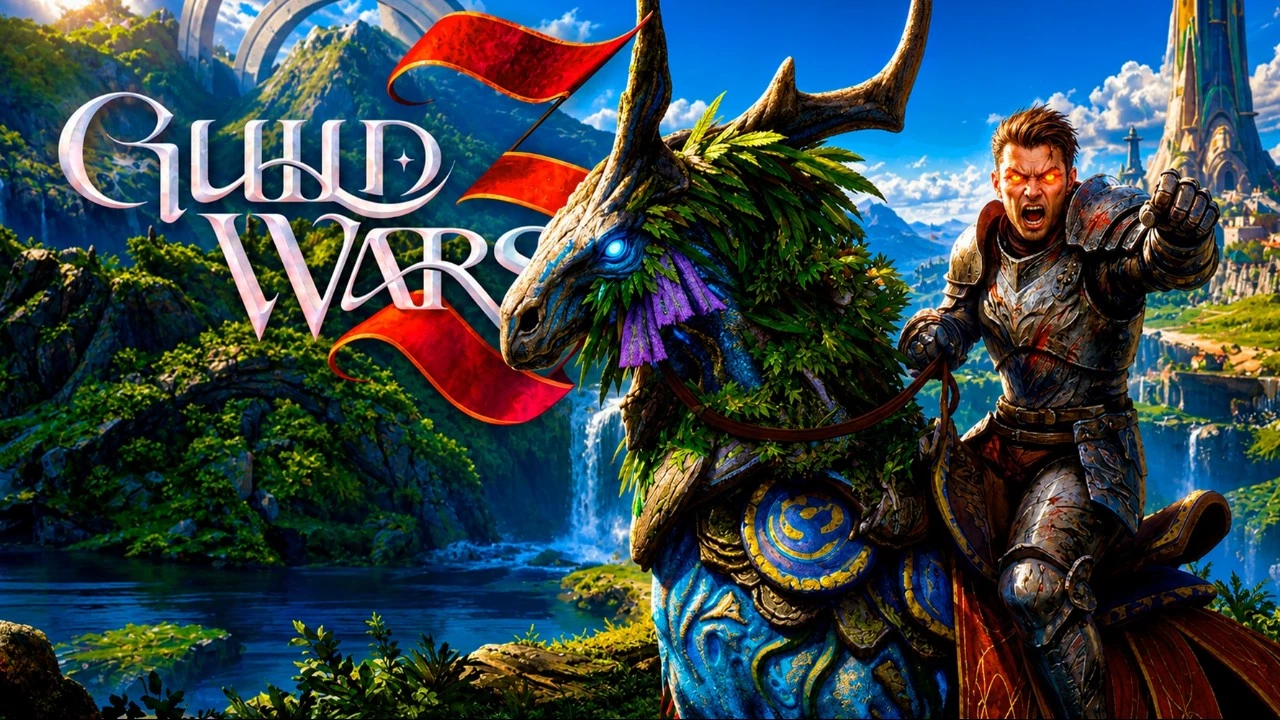
Guild Wars 3 Announced: A New Hope for MMORPGs Amid Regional Controversy
The gaming world received exciting news recently when ArenaNet officially announced Guild Wars 3, the highly anticipated sequel to one of the most beloved massively multiplayer online role-playing games in history. The announcement has sent shockwaves through the MMO community, with millions of players eagerly awaiting what could potentially revitalize a genre that many consider to have been stagnating for years. However, the excitement has been tempered by controversy, as accusations of discriminatory regional policies have emerged, particularly concerning Russian-speaking players.
The Legacy of the Guild Wars Franchise
Guild Wars 3 represents ArenaNet’s most ambitious project to date, building upon the foundation laid by its predecessors over nearly two decades. The original Guild Wars launched in 2005 and quickly distinguished itself from competitors like World of Warcraft by eliminating monthly subscription fees, a revolutionary business model at the time. Guild Wars 2 followed in 2012 and continued to innovate with its dynamic event system, action-oriented combat, and stunning world design. The game has maintained a dedicated player base for over a decade, receiving numerous expansions including Heart of Thorns, Path of Fire, End of Dragons, and most recently Janthir Wilds.
The MMO genre has encountered substantial difficulties in recent years, as many highly anticipated releases have failed to recapture the appeal of earlier games. Titles such as New World, which debuted amid enormous excitement in 2021, had trouble keeping players engaged past their first few months. The market has experienced numerous shutdowns and staff reductions, prompting many industry analysts to wonder if traditional MMORPGs could still thrive in an age dominated by battle royales, live-service games, and mobile gaming. Guild Wars 3’s announcement comes at a pivotal time, potentially indicating renewed faith in the genre’s potential for success.
Promised Innovations and Gameplay Advancements
ArenaNet has promised significant technological and gameplay advancements for the third installment. Early reports suggest the game will feature an entirely new game engine capable of delivering next-generation graphics while maintaining the series’ signature artistic style. The developers have hinted at revolutionary changes to the way players interact with the game world, including more sophisticated AI systems, deeper character customization, and expanded player housing features. Combat systems are expected to evolve while retaining the fluid, skill-based mechanics that made Guild Wars 2 stand out among its peers.
Regional Controversy and Community Response
However, the announcement has not been without controversy. Russian-speaking communities have raised concerns about potential regional restrictions, with some players accusing the developer of implementing policies they characterize as discriminatory. These accusations stem from ongoing geopolitical tensions that have affected numerous gaming companies’ relationships with certain markets. Many publishers have faced difficult decisions regarding regional availability, payment processing, and community management in the wake of international sanctions and political pressures. The situation has created a divide within the gaming community, with some players defending companies’ rights to make business decisions while others argue that ordinary gamers should not be punished for political circumstances beyond their control.
The controversy reflects broader tensions in the gaming industry regarding regional policies and player access. Similar debates have emerged around other major titles, with companies like Electronic Arts, Activision Blizzard, and Epic Games all navigating complex geopolitical landscapes. For ArenaNet and its parent company NCSoft, which is headquartered in South Korea, these decisions carry significant weight both financially and reputationally. The Guild Wars franchise has historically maintained a global player base, and any perception of exclusionary policies could impact the game’s reception in various markets.
Looking Ahead: The Future of MMORPGs
Despite these controversies, anticipation for Guild Wars 3 remains extraordinarily high among MMO enthusiasts worldwide. The game represents one of the few AAA-budget MMORPGs currently in development, joining a relatively sparse field that includes titles like Riot Games’ unnamed MMO project and Ashes of Creation. Industry veterans view Guild Wars 3 as a potential turning point for the genre, either proving that traditional MMORPGs can still attract massive audiences or confirming fears that the format has been permanently eclipsed by other gaming experiences. With no official release date announced, players will likely wait several years before experiencing what ArenaNet has been building, but the promise of a new chapter in this beloved franchise has already reignited passionate discussions about the future of online gaming.