
AI Accelerator Memory Prices Surge Amid NVIDIA Vera Rubin Chip Production Ramp-Up
Understanding High Bandwidth Memory Technology
High Bandwidth Memory represents a critical component in modern AI accelerators, serving as the essential bridge between processing units and the vast amounts of data required for machine learning operations. Unlike conventional memory solutions, HBM utilizes a sophisticated 3D-stacking technology that places multiple memory dies vertically atop one another, connected through thousands of microscopic pathways called through-silicon vias. This architecture enables dramatically higher data transfer rates while consuming significantly less power per bit compared to traditional memory solutions. The technology has become indispensable for training large language models and running complex AI inference tasks, making it a strategic bottleneck in the global AI supply chain.
NVIDIA’s Vera Rubin Platform and Supply Chain Impact
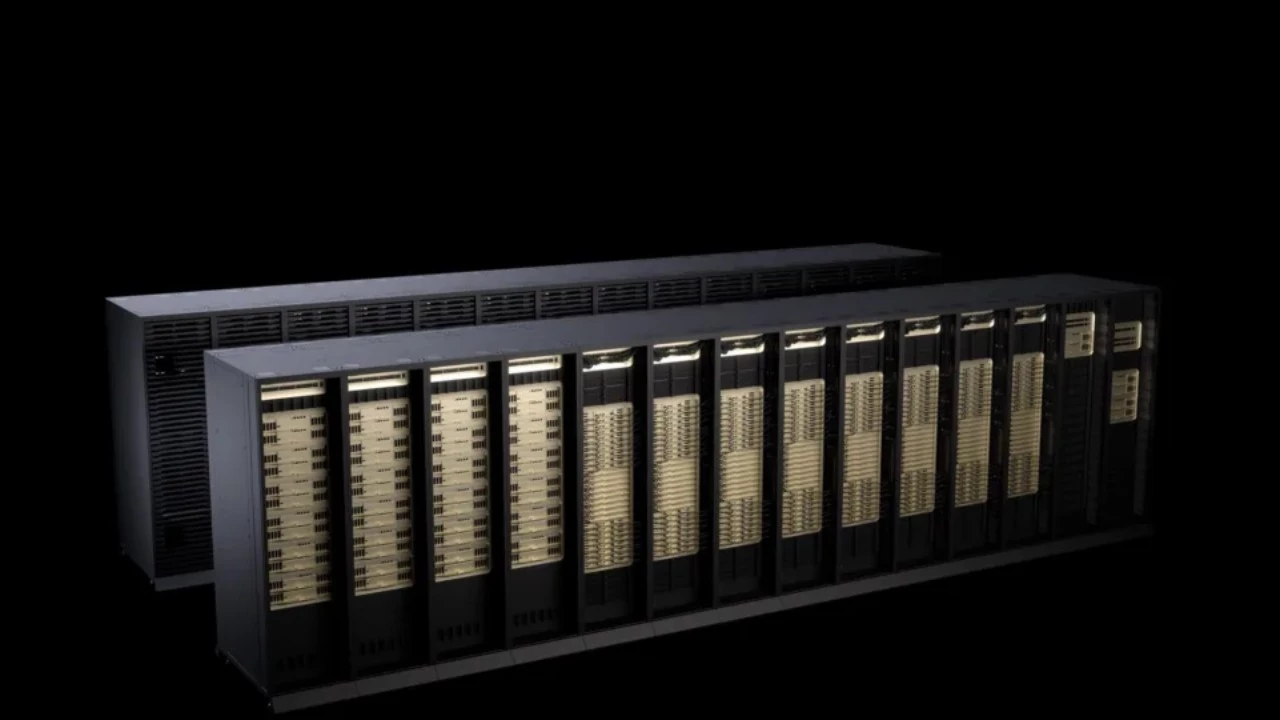
NVIDIA’s upcoming Vera Rubin platform represents the company’s most ambitious AI accelerator architecture to date, succeeding the current Blackwell generation. Named after the pioneering American astronomer who provided crucial evidence for dark matter, the Vera Rubin architecture is expected to deliver substantial improvements in both computational performance and memory bandwidth. Industry insiders suggest the new chips will require even more advanced HBM specifications, likely HBM4 or enhanced HBM3E variants, pushing memory manufacturers to allocate their most cutting-edge production lines to meet NVIDIA’s demanding specifications. The scale of anticipated orders has sent ripples through the supply chain months before actual production begins.
The HBM Manufacturing Oligopoly
The HBM market is dominated by a tight oligopoly of three major manufacturers: Samsung Electronics, SK Hynix, and Micron Technology. SK Hynix currently holds the leading position in advanced HBM production, having secured significant supply agreements with NVIDIA for previous chip generations. However, all three companies are racing to expand their manufacturing capacity while simultaneously developing next-generation HBM technologies. The capital-intensive nature of HBM production, which requires specialized equipment and years of process refinement, creates natural barriers to rapid supply expansion. Analysts estimate that building a new HBM production facility can cost upwards of $15 billion and take three to four years to reach full operational capacity.
Industry-Wide Implications and Market Pressures
This pricing pressure arrives at an especially critical moment for the wider technology sector. Leading cloud providers and AI firms, including Microsoft, Google, Amazon, and Meta, have pledged hundreds of billions of dollars toward AI infrastructure investments in the years ahead. These hyperscale customers find themselves locked in fierce competition to obtain sufficient supplies of AI accelerators and their components. The memory shortage risks limiting the speed of data center growth and may compel some companies to postpone or reduce their AI deployment initiatives. At the same time, smaller enterprises and research institutions could increasingly find themselves unable to afford the most advanced AI hardware available.
Historical Context of HBM Market Cycles
Historical context provides important perspective on the current situation. The HBM market has experienced several boom-and-bust cycles since the technology’s commercial introduction in 2015. However, the current demand surge differs fundamentally from previous cycles due to the unprecedented growth in AI applications. The release of ChatGPT in late 2022 triggered an explosion in AI investment that caught the semiconductor industry largely unprepared. Memory manufacturers have been scrambling to shift production capacity from conventional DRAM to more profitable HBM products, but this transition takes time and involves significant technical challenges. The complexity of HBM manufacturing means that yield rates—the percentage of functional chips produced—remain lower than those for standard memory products.
Future Outlook and Strategic Considerations
Looking ahead, industry analysts project that HBM prices could increase by 20 to 30 percent over the next twelve months, depending on demand trajectories and manufacturing capacity additions. Some experts suggest that the memory component could eventually account for a larger portion of total AI accelerator costs than the GPU itself, fundamentally altering the economics of AI hardware. Memory manufacturers are investing heavily in expanding their HBM production capabilities, but meaningful supply relief is unlikely before late 2026 at the earliest. In the interim, companies throughout the AI value chain must navigate an environment of constrained supply and elevated costs, potentially accelerating efforts to develop more memory-efficient AI architectures and alternative computing approaches.
The consequences of increasing HBM prices reach beyond immediate cost factors to encompass strategic issues surrounding technological sovereignty and supply chain robustness. Governments around the world increasingly regard advanced semiconductor manufacturing as a national security concern, resulting in significant public investments in domestic chip production facilities. The United States CHIPS Act, European Chips Act, and comparable programs in Japan, South Korea, and other countries reflect coordinated efforts to decrease reliance on concentrated manufacturing centers and guarantee dependable access to essential technologies. As HBM grows increasingly vital to AI capabilities, its production locations and pricing trends will probably draw heightened scrutiny from both policymakers and industry strategists.