
Tomb Raider: Legacy of Atlantis System Requirements Revealed, Confirms Denuvo Anti-Piracy Protection
Developer Flying Wild Hog and publisher Amazon Games have officially unveiled the system requirements for their highly anticipated remake, Tomb Raider: Legacy of Atlantis, through the game’s Steam page. The announcement has sparked considerable discussion among gaming enthusiasts, particularly due to the confirmation that the title will employ Denuvo anti-tamper technology, a decision that continues to divide the gaming community.
Hardware Requirements for the Remake
The system requirements show that gamers will need fairly up-to-date hardware to enjoy Lara Croft’s newest journey. At minimum, the game demands a quad-core processor, 16GB of RAM, and a graphics card comparable to the NVIDIA GeForce GTX 1070 or AMD Radeon RX 5600 XT. The recommended specifications call for a more robust configuration to achieve optimal performance, featuring newer generation processors and higher-end graphics cards. These requirements suggest that Flying Wild Hog is creating a visually ambitious title designed to take advantage of current-generation hardware capabilities while still being accessible to those with mid-range gaming setups.
Denuvo DRM Sparks Community Debate
The inclusion of Denuvo anti-piracy software has become one of the most contentious aspects of the announcement. Denuvo is a widely used digital rights management (DRM) solution designed to prevent unauthorized copying and distribution of games during their crucial launch window. While publishers argue that this protection is essential for safeguarding their investment and ensuring developers receive fair compensation for their work, many players have expressed concerns about potential performance impacts. Critics of Denuvo point to instances where the software has allegedly caused increased CPU usage, longer loading times, and occasional compatibility issues, though the extent of these problems varies significantly between implementations.
The Development Team Behind the Project
Flying Wild Hog brings an interesting pedigree to this project. The Polish studio is best known for developing the Shadow Warrior reboot series and the cooperative shooter Evil West. Their experience with fast-paced action games and technical optimization suggests they may bring a fresh perspective to the classic Tomb Raider formula. The studio’s partnership with Amazon Games, which has been expanding its gaming division significantly in recent years following successes like New World and Lost Ark, provides substantial resources for this ambitious remake project.
Tomb Raider’s Legendary Legacy
The Tomb Raider franchise holds a legendary status in gaming history, having debuted in 1996 with the original title developed by Core Design. The series introduced players to archaeologist and adventurer Lara Croft, who quickly became one of gaming’s most iconic characters. Over nearly three decades, the franchise has undergone multiple evolutions, from the classic PlayStation-era games through Crystal Dynamics’ acclaimed 2013 reboot trilogy. Legacy of Atlantis represents a return to the series’ roots, reimagining the original adventure with modern graphics, gameplay mechanics, and storytelling techniques while preserving the exploration-focused gameplay that made the franchise beloved.
Reimagining the Atlantis Storyline
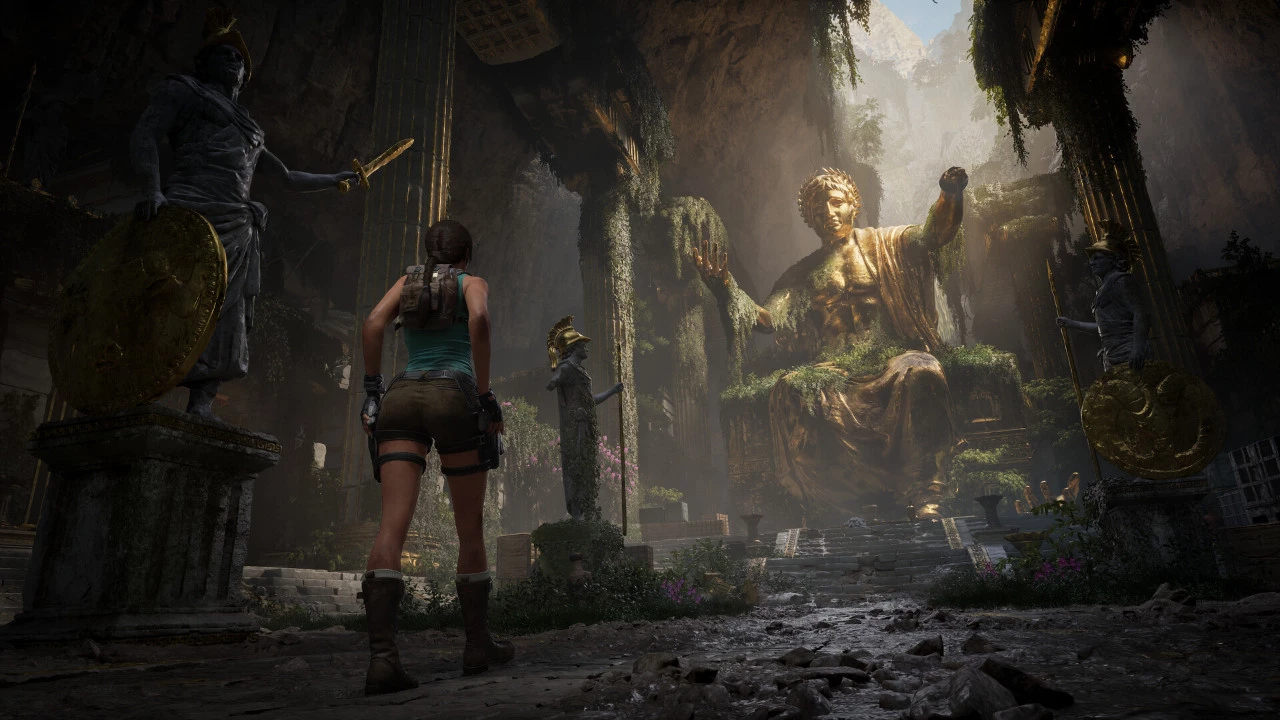
The Atlantis theme ties into one of the most iconic storylines from the original Tomb Raider, in which Lara’s pursuit of the enigmatic Scion artifact led to her discovery of the lost civilization. This mythological backdrop offers abundant material for environmental design and puzzle development, enabling developers to create intricate underwater sequences, ancient ruins, and supernatural elements that characterized the original experience. Contemporary technology allows for much more detailed recreations of these environments, potentially bringing to life the vision that 1990s hardware constraints could only partially achieve.
Amazon Games’ Strategic Investment
Amazon Games’ involvement in this project signals the company’s continued commitment to establishing itself as a major force in the gaming industry. After early struggles with cancelled projects and the rocky launch of Crucible, Amazon has found its footing with successful live-service titles and strategic publishing partnerships. The Tomb Raider remake represents their first major collaboration with an established gaming franchise of this caliber, and its success could pave the way for similar partnerships in the future. Industry analysts will be watching closely to see whether this combination of a legendary IP, an experienced action-game developer, and Amazon’s substantial marketing resources can deliver a product that satisfies both longtime fans and newcomers to the series.
Although no official release date has been announced, the release of system requirements generally signals that development is moving toward completion. Gamers looking forward to exploring Atlantis with Lara Croft should verify their gaming systems satisfy the specified requirements and get ready for what appears to be a thrilling reimagining of a gaming classic.