
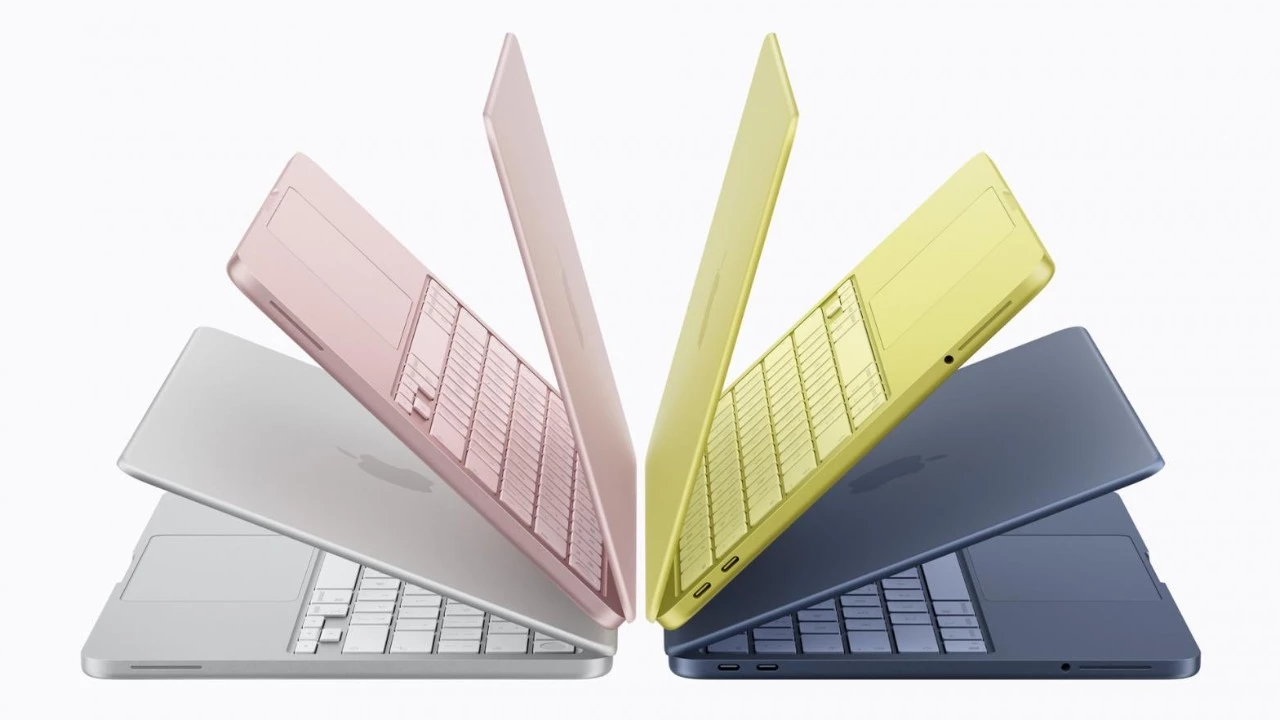
MacBook Neo Defies Market Predictions as PC Industry Braces for Historic Downturn
PC Market Faces Continued Decline
In a striking contrast to the broader personal computer market’s gloomy outlook, Apple’s newly announced MacBook Neo has generated unprecedented demand, forcing the tech giant to rapidly scale up production capacity. Industry analysts had been warning of an imminent collapse in PC sales, projecting declines of up to 15-20% over the next several years. Yet the MacBook Neo appears to be writing its own narrative, with pre-order numbers reportedly exceeding Apple’s most optimistic internal projections within the first 48 hours of availability.
The worldwide PC market has faced ongoing instability for multiple quarters in a row, with leading manufacturers including Dell, HP, and Lenovo posting substantial year-over-year drops in shipments. Research organizations Gartner and IDC report that global PC shipments have been declining since the post-pandemic surge of 2021-2022, when remote work and distance learning created extraordinary demand. The resulting market correction has proved difficult for the industry, as surplus inventory, diminished consumer purchasing power from inflation, and extended device replacement cycles have all played a role in the downturn.
What Sets the MacBook Neo Apart
Apple’s achievements with the MacBook Neo stem from multiple factors that set it apart from rivals in the challenged market. The device is said to incorporate the company’s next-generation M-series chip, delivering significant performance gains while preserving the outstanding battery life that has become synonymous with Apple Silicon. Sources within the industry indicate the Neo branding reflects Apple’s concept for a new ultra-portable professional laptop category, potentially filling the space between the MacBook Air and MacBook Pro lineups. The launch timing also seems deliberate, aligning with a period when enterprise buyers are initiating new refresh cycles after postponing upgrades amid economic uncertainty.
The difference between Apple’s performance and that of Windows PC manufacturers underscores an increasing split in the personal computer market. As the broader industry shrinks, premium segments remain robust, with consumers and enterprises prepared to spend on higher-quality devices offering extended useful lifespans and superior user experiences. Apple has consistently claimed a disproportionate portion of industry profits, and the MacBook Neo seems poised to reinforce this edge. Market research shows that Apple’s share of the premium laptop segment has increased from roughly 35% to close to 50% over the past three years.
Macroeconomic Forces at Play
Analysts point to several macroeconomic factors driving the predicted PC market downturn. The artificial intelligence revolution, paradoxically, may be reducing demand for traditional computing devices as more processing moves to cloud-based systems. Additionally, smartphone capabilities continue to expand, with many users finding that mobile devices adequately serve their computing needs. The rise of Chromebooks in education markets has also eroded traditional Windows PC dominance in a segment that historically drove significant volume. Some experts predict that global PC shipments could fall below 200 million units annually by 2027, down from peaks exceeding 340 million during the pandemic era.
Apple Scales Production to Meet Demand
Apple’s production response to MacBook Neo demand involves coordination with key manufacturing partners, primarily Foxconn and other Taiwan-based suppliers. Reports indicate that the company has requested a 30-40% increase in initial production runs, a significant adjustment that reflects confidence in sustained demand rather than mere launch-day enthusiasm. This aggressive scaling also positions Apple to capture market share from competitors who may be reducing their own production capacity in response to weakening demand. The supply chain adjustments come at a time when component availability has largely normalized following years of semiconductor shortages that plagued the entire technology industry.
A New Industry Paradigm
Looking ahead, the MacBook Neo’s success could signal a broader transformation in how the PC industry operates. Rather than competing on volume and razor-thin margins, manufacturers may increasingly focus on premium devices with higher profit margins and longer development cycles. This shift would favor companies with strong brand loyalty and ecosystem advantages, characteristics that have long defined Apple’s competitive position. For consumers, this evolution might mean fewer but better computing options, with mid-range devices becoming less economically viable for manufacturers to produce. The MacBook Neo, in defying market predictions, may ultimately serve as a harbinger of this new industry paradigm where quality definitively trumps quantity.