
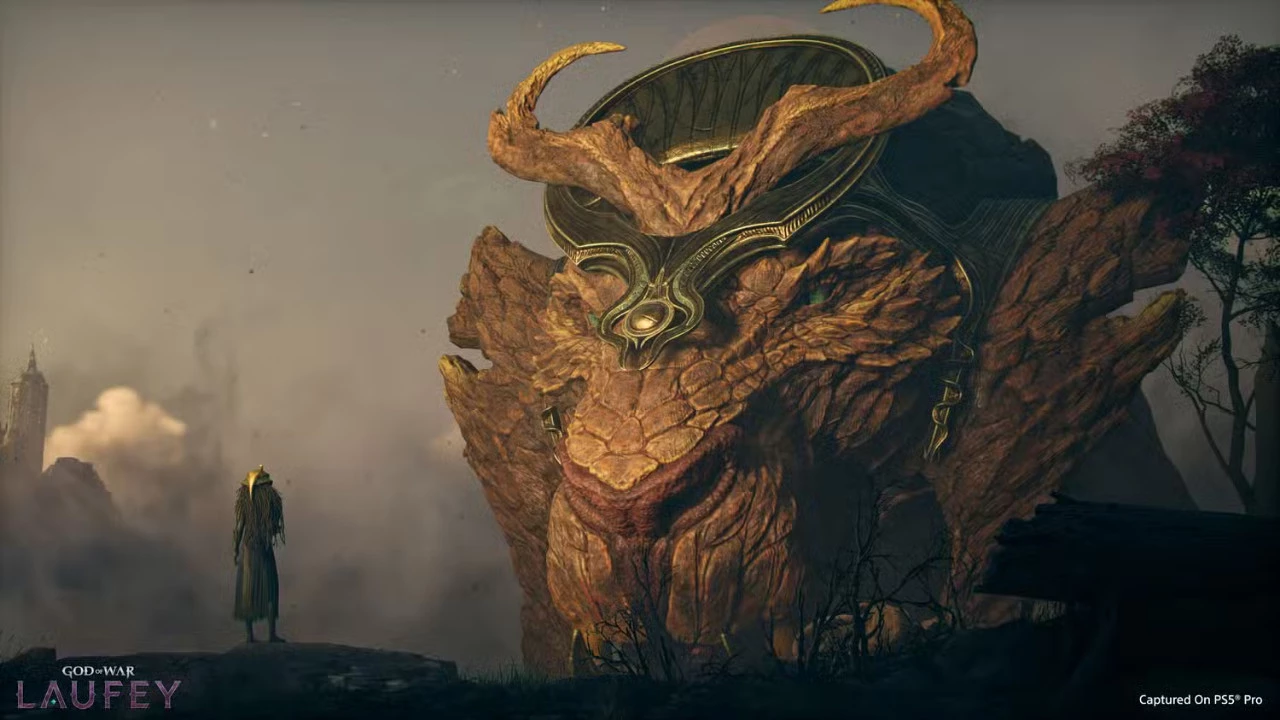
Even a Pizza Chain Mocks God of War Laufey Announcement as Santa Monica Studio Struggles to Respond
A viral social media exchange on X (formerly Twitter) between Domino’s Pizza and Santa Monica Studio following the announcement of God of War Laufey has captured the attention of millions of users worldwide. The unexpected confrontation between a fast-food chain and one of Sony’s premier game development studios has sparked widespread discussion about corporate social media presence and the gaming industry’s relationship with its audience.
The Announcement and Domino’s Unexpected Response
The incident began shortly after Santa Monica Studio unveiled their latest project in the God of War franchise, titled God of War Laufey. The game appears to focus on Laufey, also known as Faye, the deceased wife of Kratos and mother of Atreus who played a crucial but largely unseen role in the 2018 God of War reboot and its 2022 sequel, God of War Ragnarök. While details about the new title remain scarce, the announcement itself generated significant buzz across gaming communities—though not entirely for the reasons the studio might have hoped.
Domino’s Pizza, known for its increasingly active and often humorous social media presence, jumped into the conversation with what many interpreted as a mocking response to the announcement. The pizza chain’s social media team has built a reputation for engaging with gaming culture and internet trends, but this particular exchange stood out for its pointed nature. Santa Monica Studio’s response—or lack thereof—became a topic of discussion in itself, with many users noting that the development team seemed unable to formulate an effective comeback to the fast-food giant’s trolling.
Corporate Social Media Wars and Brand Engagement
This social media clash highlights a broader trend in corporate communications where brands compete for attention through witty exchanges and viral moments. Companies like Wendy’s pioneered this approach on Twitter years ago, but the phenomenon has expanded to include unlikely participants from virtually every industry. The gaming sector has proven particularly fertile ground for such interactions, given its audience’s deep engagement with internet culture and meme-based humor.
God of War’s Legacy and Laufey’s Significance
The God of War series stands as one of PlayStation’s most prized intellectual properties, with global sales exceeding 60 million copies since the first game debuted on PlayStation 2 in 2005. The franchise experienced a significant reinvention with its 2018 soft reboot, transitioning from Greek mythology to Norse mythology while introducing a more sophisticated, emotionally nuanced story focused on the bond between Kratos and his son Atreus. The overwhelming critical acclaim and commercial triumph of this reimagining, coupled with Ragnarök’s record-shattering debut, cemented God of War as a premier franchise for Sony’s gaming division.
Laufey, the character at the center of the new announcement, holds significant importance in the recent God of War mythology. In the games, she is revealed to be a Jötunn (frost giant) who fell in love with Kratos and bore him a son. Her death before the events of the 2018 game sets the entire story in motion, as Kratos and Atreus journey to scatter her ashes atop the highest peak in all the realms. Throughout both recent games, players learn more about her wisdom, her role in the prophecy surrounding Ragnarök, and her efforts to protect both her family and her people from the Aesir gods.
Creative Risks of a Prequel Narrative
The decision to potentially develop a game focused on Laufey represents an interesting creative direction for Santa Monica Studio. Prequel narratives or spin-offs featuring supporting characters have become increasingly common in the gaming industry, with titles like Final Fantasy VII: Crisis Core and various Assassin’s Creed expansions demonstrating the commercial viability of such projects. However, the mixed reception to the announcement—exemplified by the Domino’s exchange—suggests that the studio may face challenges in convincing fans that this particular story needed to be told.
Fan Skepticism and the Road Ahead
Industry analysts have noted that the social media incident, while seemingly trivial, could reflect deeper concerns about franchise fatigue and audience expectations. Following the narrative conclusion provided by God of War Ragnarök, some fans have expressed uncertainty about what direction the series should take next. The viral nature of the Domino’s trolling may indicate that a significant portion of the audience remains skeptical about revisiting familiar ground rather than exploring entirely new mythological settings or gameplay innovations.
Santa Monica Studio has not issued any formal statement regarding the social media exchange, though the incident continues to generate discussion across gaming forums and news outlets. Whether this viral moment ultimately helps or hinders interest in God of War Laufey remains to be seen, but it has certainly ensured that millions more people are now aware of the game’s existence—even if that awareness came courtesy of a pizza company’s social media team.