
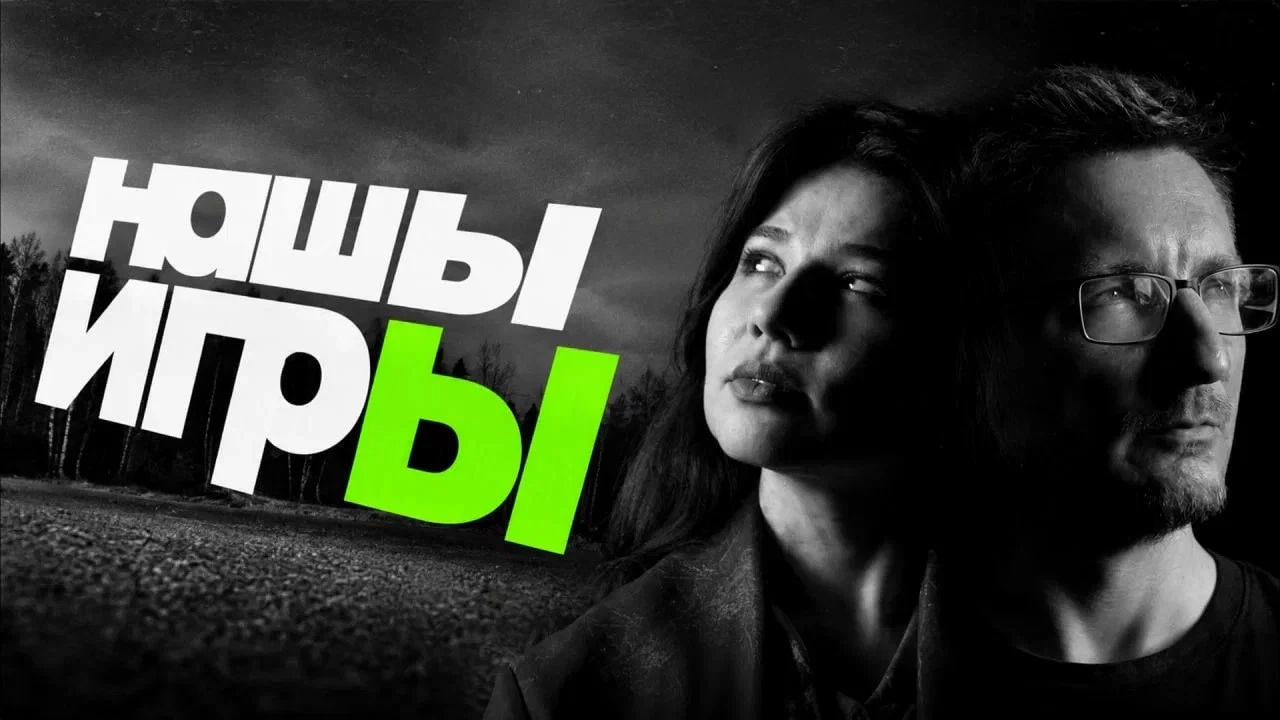
Prominent Russian Gaming Journalist Anton Logvinov Accuses IXBT and Host Daria Ostrovskaya of Hypocrisy During Gaming Show
Anton Logvinov, one of Russia’s most recognized figures in gaming journalism and a veteran voice in the Russian-speaking internet community, has publicly criticized popular tech media outlet IXBT and its host Daria Ostrovskaya, accusing them of blatant hypocrisy during the broadcast of “NashY Igry 2026” (Our Games 2026). The sharp criticism from Logvinov, who has earned the unofficial title of “Patriarch of the Upper Internet” among his followers, has sparked widespread discussion across Russian gaming communities and social media platforms.
The Controversy at “NashY Igry 2026”
The controversy erupted during the gaming show, which was designed to showcase and promote Russian-developed video games in an era of increasing isolation from Western gaming markets. Logvinov took issue with what he perceived as contradictory behavior from the IXBT team, suggesting that their on-air statements and attitudes did not align with their actual practices and previously expressed opinions. While the specific details of the alleged hypocrisy were not fully elaborated in initial reports, the accusation itself carries significant weight given Logvinov’s decades-long reputation in the industry and his substantial following.
Key Figures in the Dispute
Anton Logvinov: The “Patriarch of the Upper Internet”
Anton Logvinov has been a fixture in Russian gaming media since the 1990s, beginning his career during the formative years of the Russian gaming press. He gained prominence through his work with legendary Russian gaming magazine “Strana Igr” (Game Country) and later through his YouTube channel, where he has amassed hundreds of thousands of subscribers. Known for his encyclopedic knowledge of gaming history and his willingness to speak candidly about industry issues, Logvinov has cultivated a reputation as an honest broker in an industry often criticized for promotional relationships between media and publishers. His criticism, therefore, tends to carry more weight than that of less established commentators.
IXBT and Daria Ostrovskaya
IXBT, the target of Logvinov’s criticism, is one of Russia’s largest and most influential technology media platforms. Founded in the late 1990s, the outlet has grown from a hardware-focused website into a multimedia empire covering everything from computer components to video games. Daria Ostrovskaya has become one of the recognizable faces of their video content, hosting various shows and events. The platform has positioned itself as a voice for Russian tech enthusiasts, particularly in recent years as Western tech media has become less accessible or relevant to Russian audiences due to geopolitical circumstances.
The Context: Russian Gaming Industry in Transition
The “NashY Igry” show itself represents part of a broader movement within the Russian gaming industry to promote domestic development in the wake of sanctions and the withdrawal of major Western gaming companies from the Russian market. Since 2022, the Russian gaming landscape has undergone dramatic shifts, with many international publishers suspending sales and services in the country. This has created both challenges and opportunities for local developers, who now face less competition but also reduced access to international tools, funding, and distribution platforms. Shows like “NashY Igry” aim to fill this void by highlighting homegrown talent and productions.
Community Response and Broader Implications
The gaming community’s reaction to Logvinov’s accusations has been divided, mirroring wider rifts within Russian online spaces. Some commenters have supported the veteran journalist, commending his readiness to highlight perceived contradictions among media personalities. Others have come to the defense of IXBT and Ostrovskaya, contending that Logvinov’s critique was excessively severe or didn’t take into account the challenging conditions under which Russian gaming media currently functions. The discussion has spread across numerous platforms, including Telegram channels, VKontakte groups, and YouTube comment sections, showing the passionate involvement of Russian gaming audiences with industry controversies.
This situation underscores the persistent tensions within Russian gaming media as it maneuvers through unprecedented circumstances. Media outlets and personalities need to juggle several competing pressures: preserving credibility with audiences, backing domestic industry growth, adjusting to technological and economic limitations, and handling relationships with both developers and platforms. Charges of hypocrisy, whether warranted or not, strike at the core of these tensions, prompting questions about authenticity and editorial independence that media consumers around the world wrestle with. As the Russian gaming industry keeps developing in comparative isolation, such public conflicts may grow more frequent as stakeholders vie to establish the norms and values of this new environment.
Neither IXBT nor Daria Ostrovskaya had issued a formal response to Logvinov’s accusations at the time of writing. The outcome of this public dispute may have lasting implications for relationships within the tight-knit Russian gaming media community, where personal and professional connections often overlap significantly. For audiences, the controversy serves as a reminder of the complex dynamics underlying the content they consume and the importance of critical engagement with media across all platforms and regions.