
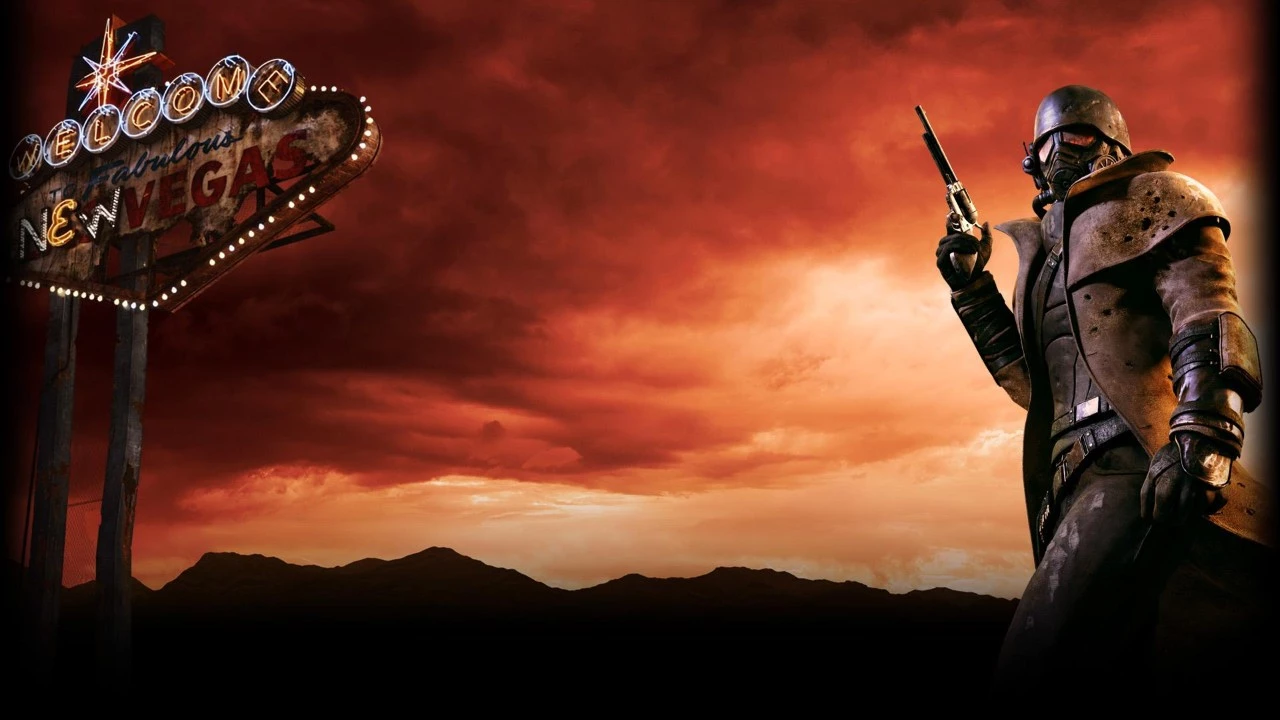
Fallout: New Vegas Could Have Been Much Larger, But Obsidian Had to Cut Ambitious Ideas Due to Time Constraints
The beloved post-apocalyptic RPG Fallout: New Vegas, which has achieved cult status among gamers worldwide, could have been a significantly more expansive experience than what players ultimately received. Josh Sawyer, one of the key developers behind the project, recently shared insights into the challenging development process that forced the team at Obsidian Entertainment to make difficult decisions about cutting content and scaling back their ambitious vision for the Mojave Wasteland.
The 18-Month Development Crunch
Sawyer, who served as the project director and lead designer on New Vegas, has been candid over the years about the constraints the development team faced. The game was developed under an incredibly tight 18-month schedule, a timeframe that many in the industry consider remarkably short for a project of such scope. This limited window meant that despite having grand plans for additional locations, questlines, and gameplay features, the team had to prioritize ruthlessly and leave many ideas on the cutting room floor.
Content Left on the Cutting Room Floor
Among the content that was reportedly planned but ultimately cut were additional areas within the game world, more companion characters with their own storylines, and expanded faction questlines that would have given players even more ways to influence the power dynamics of the New Vegas strip and surrounding territories. The Legion faction, in particular, was known to have suffered from cuts, with Sawyer acknowledging that the eastern side of the map felt less developed compared to the NCR-controlled areas. Originally, there were plans for more Legion settlements and quests that would have provided a more balanced perspective on the conflict.
Creative Achievement Under Pressure
The development of Fallout: New Vegas represents one of gaming’s most fascinating cases of creative achievement under pressure. Obsidian Entertainment, founded by veterans of Black Isle Studios who had worked on the original Fallout games, brought their deep understanding of the franchise’s role-playing roots to the project. Despite using the existing Gamebryo engine and many assets from Fallout 3, the team managed to craft an experience that many fans consider superior to Bethesda’s own entry, particularly in terms of writing, player choice, and narrative complexity.
The Metacritic Bonus Controversy
The game’s difficult development journey also encompassed the controversial Metacritic bonus controversy. Reports surfaced that Obsidian’s agreement with Bethesda contained a bonus payment dependent on the game reaching an 85 Metacritic score. New Vegas ultimately scored 84, which meant the studio failed to receive additional compensation by just a single point. This disclosure ignited ongoing debates within the gaming community regarding fair compensation practices and the problematic approach of linking bonuses to review aggregates.
A Lasting Legacy
Despite these challenges, Fallout: New Vegas has endured as one of the most celebrated RPGs of its generation. The game’s intricate faction system, morally complex storylines, and the sheer freedom it offered players to shape the narrative set a high bar that subsequent entries in the franchise have struggled to match. The success of the game spawned a dedicated modding community that continues to create new content, bug fixes, and visual improvements to this day, keeping the Mojave Wasteland alive more than a decade after the game’s initial release.
Sawyer’s disclosures regarding cut content have only intensified fan speculation and longing for a potential sequel or spiritual successor. With Microsoft’s purchase of both Bethesda and the rights to Fallout, along with Obsidian Entertainment, numerous players maintain hope that circumstances might converge for another collaboration. In the meantime, the current game, together with its DLC expansions which contributed substantial content including Old World Blues and Lonesome Road, stands as proof of what talented developers can accomplish even under considerable constraints. The tale of New Vegas functions as both a warning about rushed development timelines and an uplifting demonstration of creative perseverance when confronting adversity.